
Action Drama History
Rise or die.
The Uprising (2026)
Runtime128 min
Release date10/09/2026
CountryGermany, United Kingdom, United States of America
Production
Supernix
Thank You Pictures
 Electric Shadow Company
 FilmNation Entertainment
 Blumhouse Atomic Monster
Overview
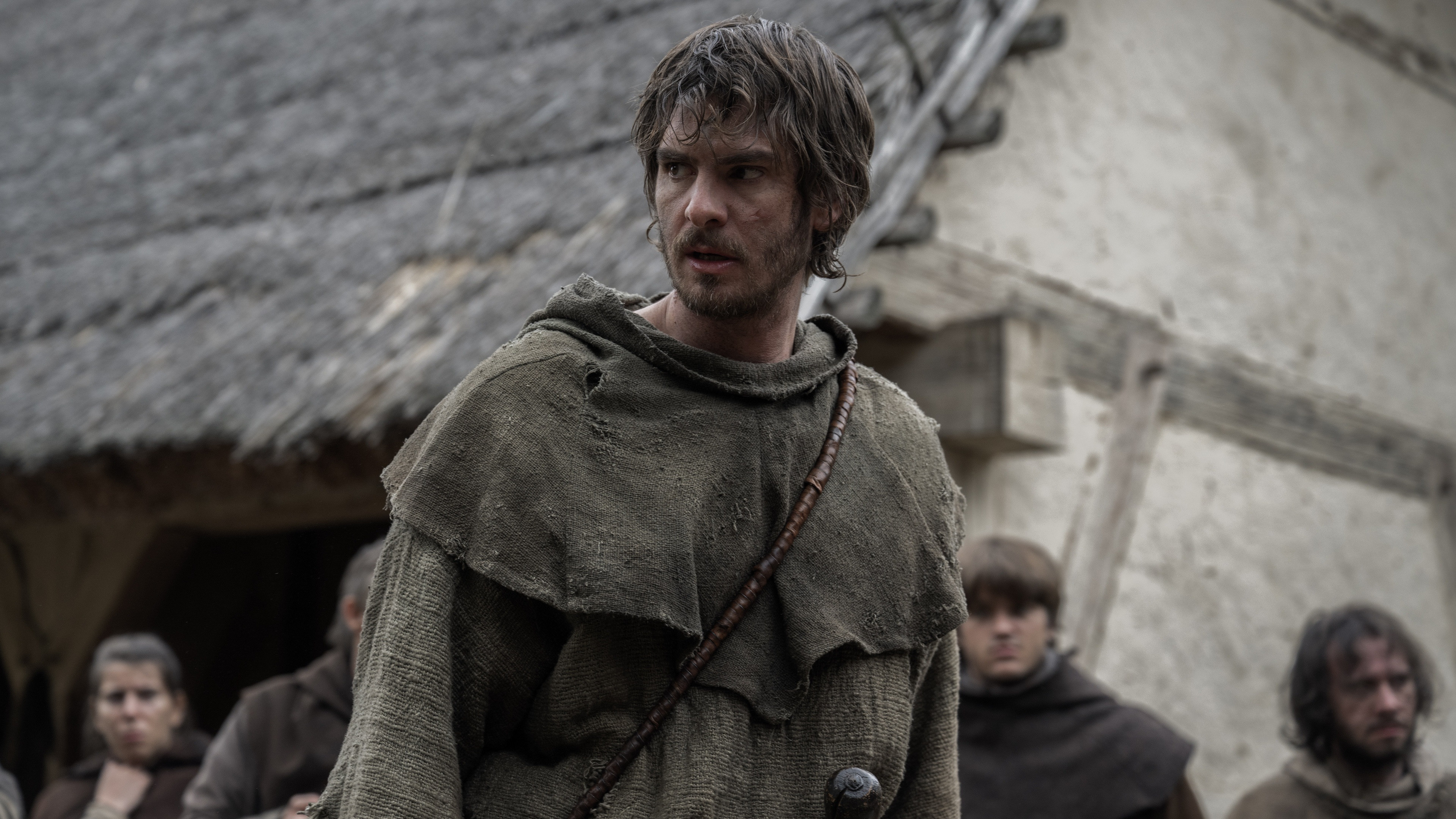
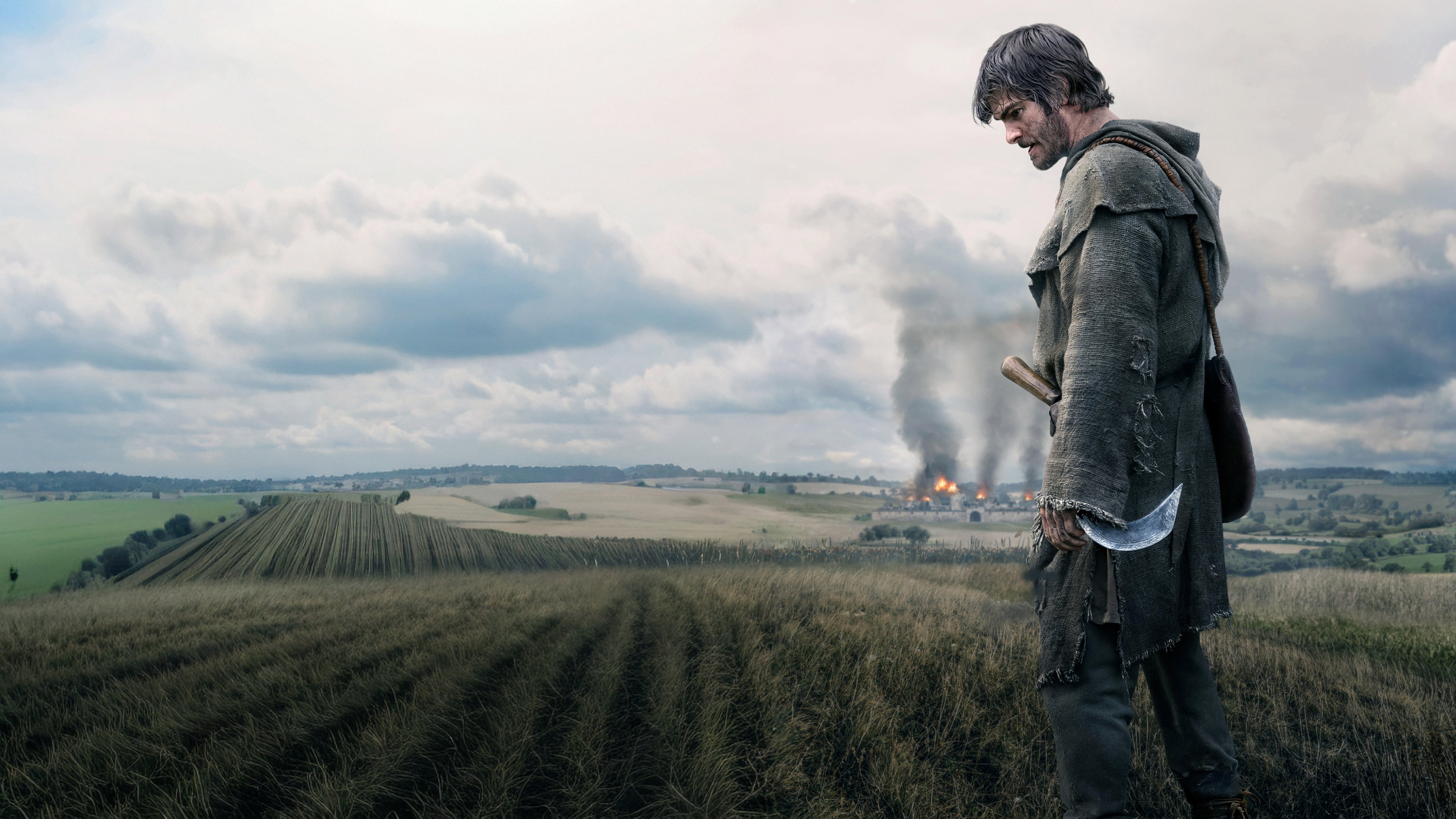
As war and plague devastate 14th-century England, a humble peasant ignites a rebellion, uniting an army of commoners to defy the King’s might in a desperate fight for justice and survival.
Directors & Screenwriters

Paul Greengrass
Director


Name:
Birthday:
Place of birth:
Birthday:
Place of birth:
Biography:
Acting:


Cast

Andrew Garfield
as
Ploughman

Jamie Bell
as
John Ball

Stephen Dillane
as
Archbishop Sudbury

Woody Norman
as
King Richard II

Tom Hollander
as
Treasurer Hales

Cosmo Jarvis
as
Wat Tyler

Thomasin McKenzie
as
Alyce

Jonny Lee Miller
as
Mayor Walworth

Katherine Waterston
as
Countess

Stanley Townsend
as
Chief Justice Bealknap

Sky Yang
as
Scribe

Dónal Finn
as
Village Priest

Gerald Tyler
as
Lord Beauchamp

Simon Kunz
as
Sir John Newton
Mark Redhead
as
Lord Peterborough

Sam Chapman
as
Tax Collector
Scout Worsley
as
Tithe Barn Daughter
Anthony Webster
as
Tithe Barn Father

Jamie Maclachlan
as
Walworth's Lieutenant
Anthony Martin
as
London Rebel

Ben Manning
as
London Rebel

Luke Booys
as
Peasant Kent Camp
Name:
Birthday:
Place of birth:
Birthday:
Place of birth:
Biography:
Acting:
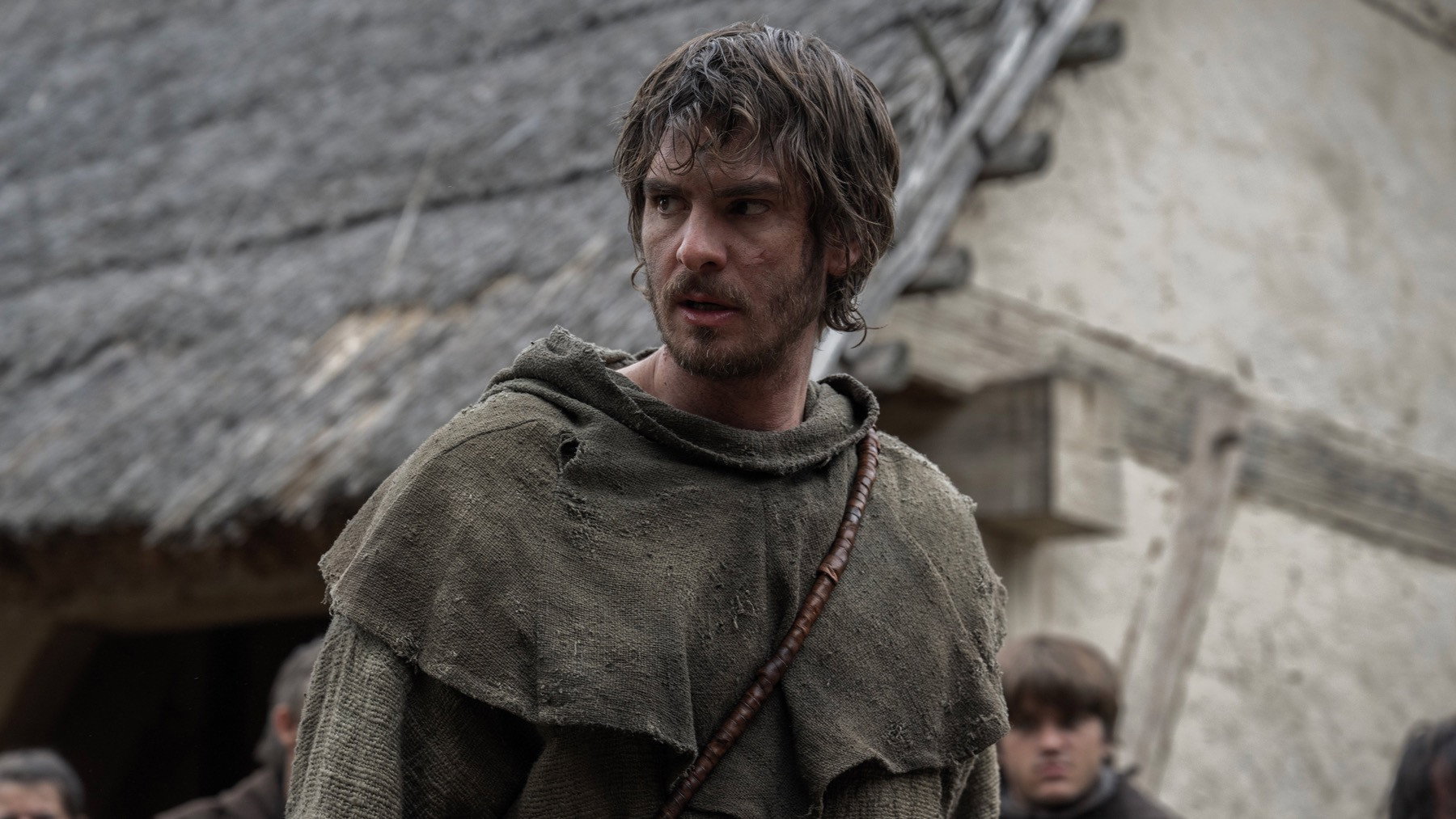
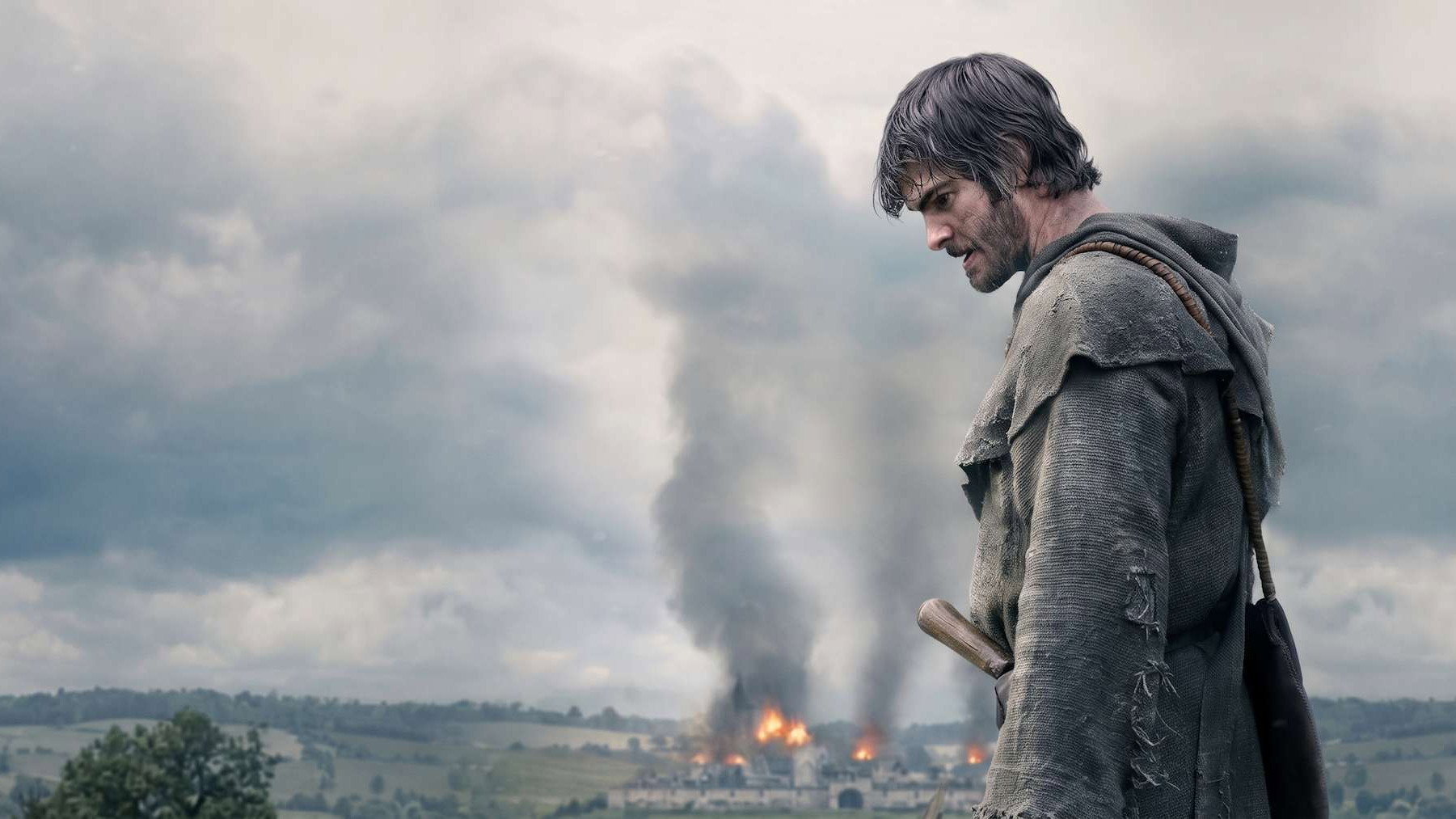
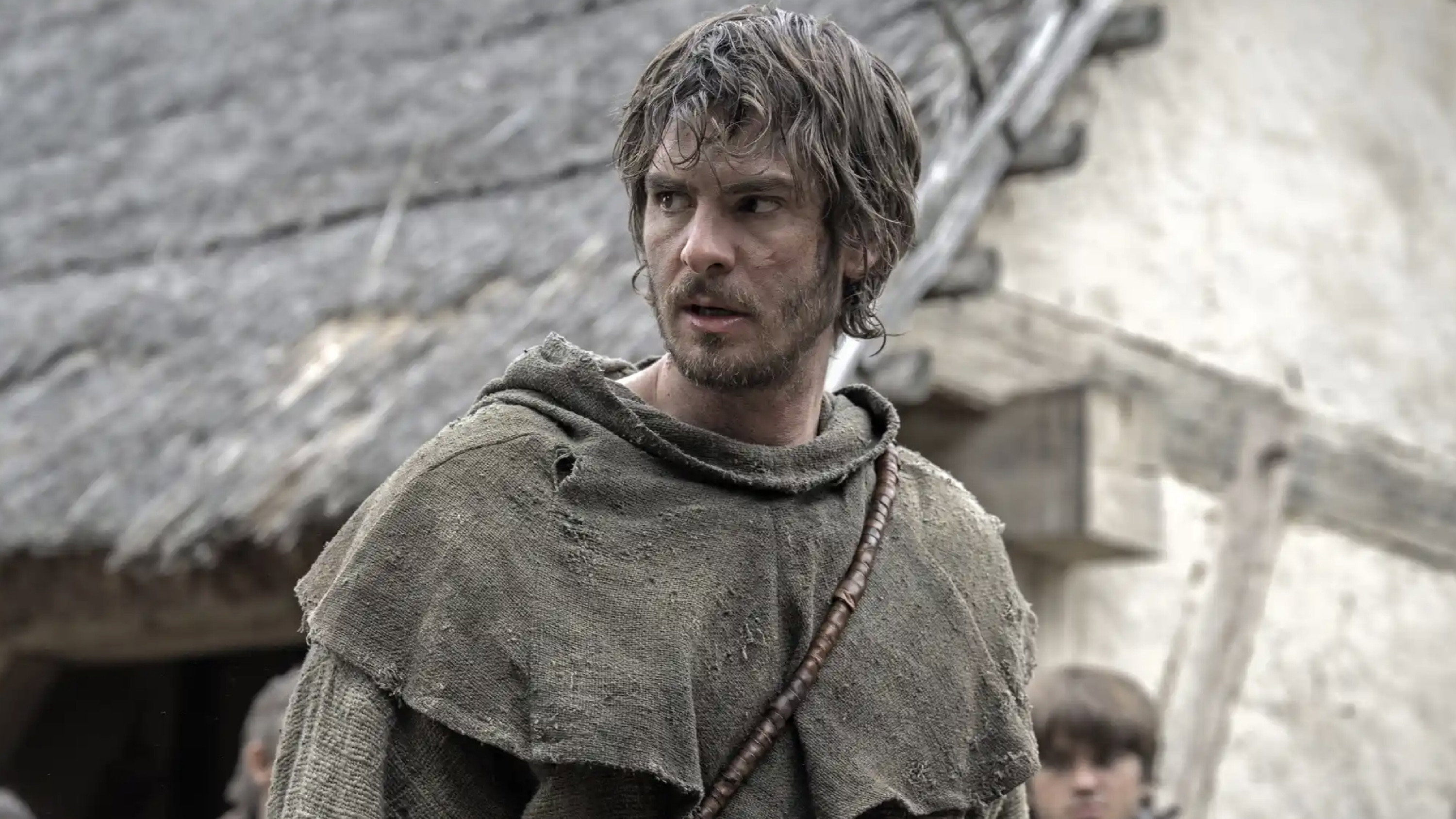
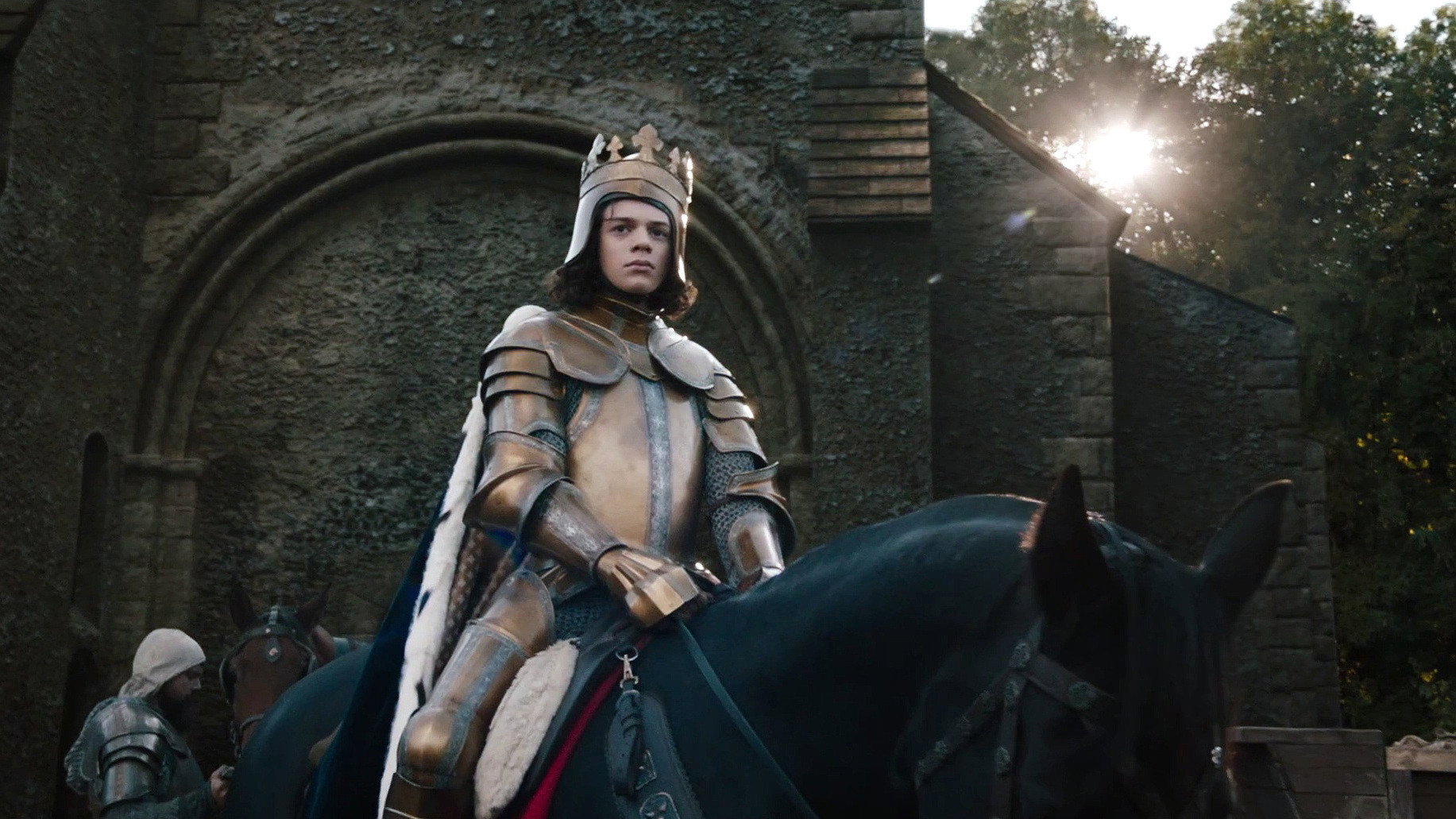


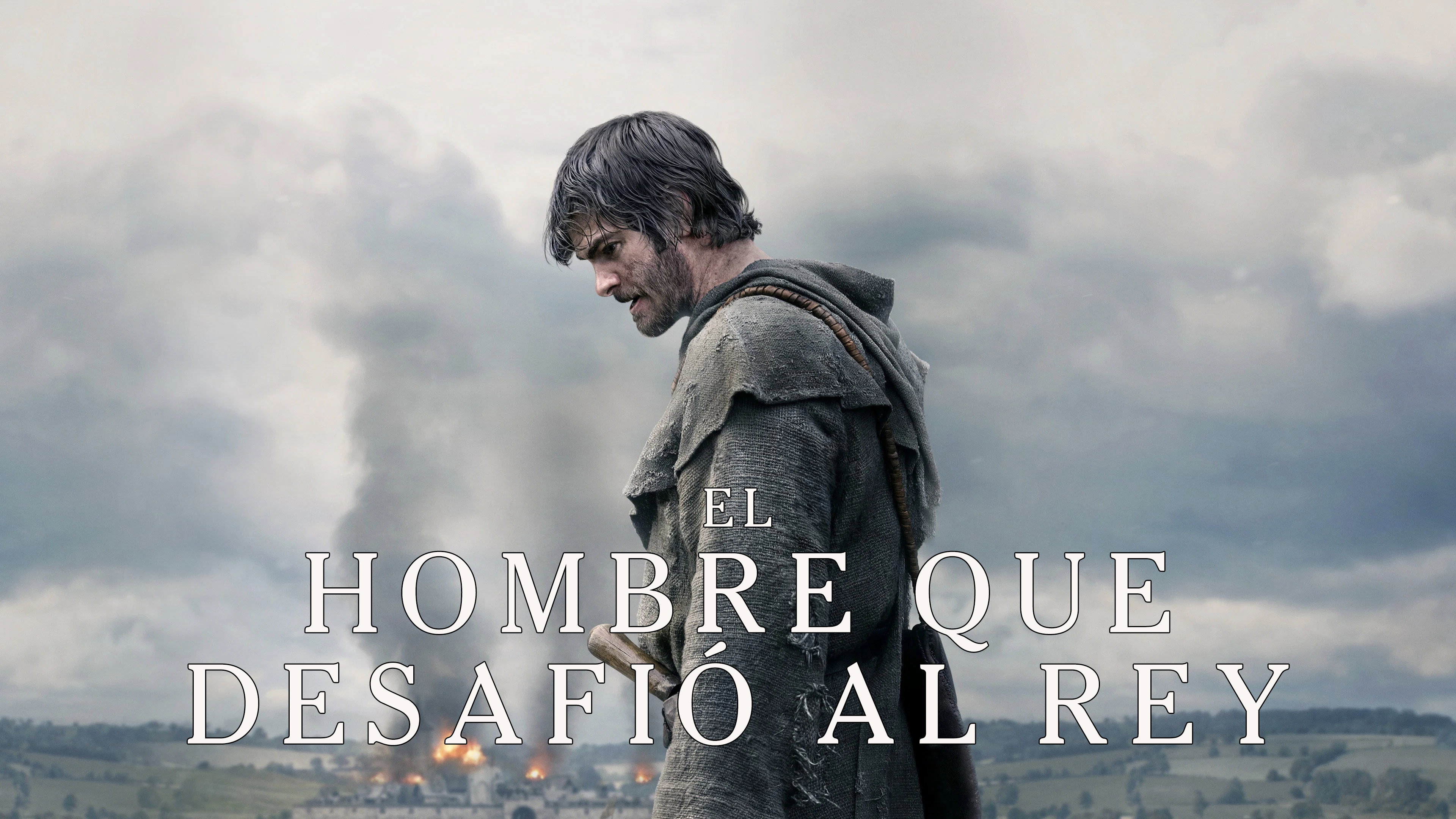
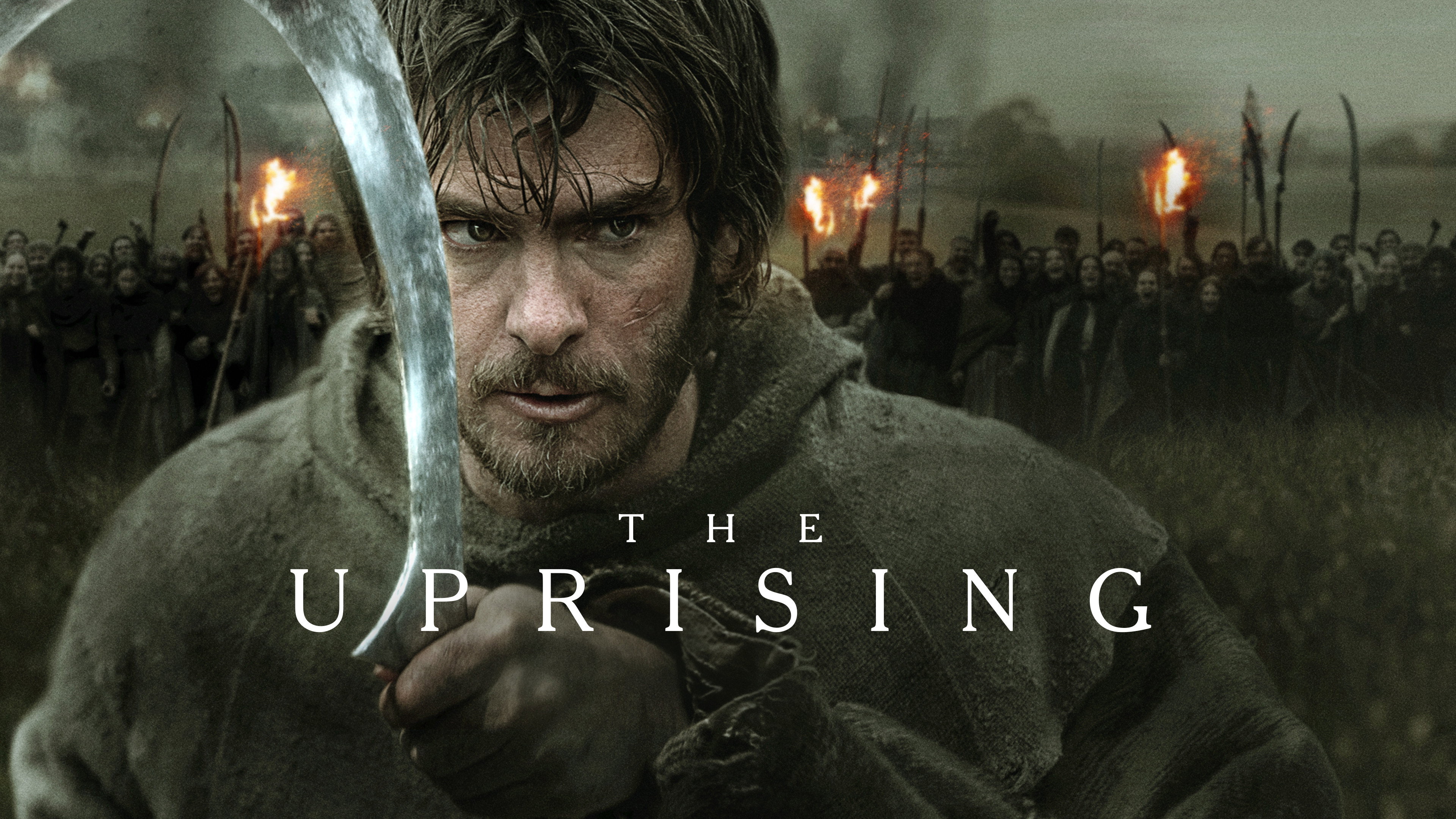
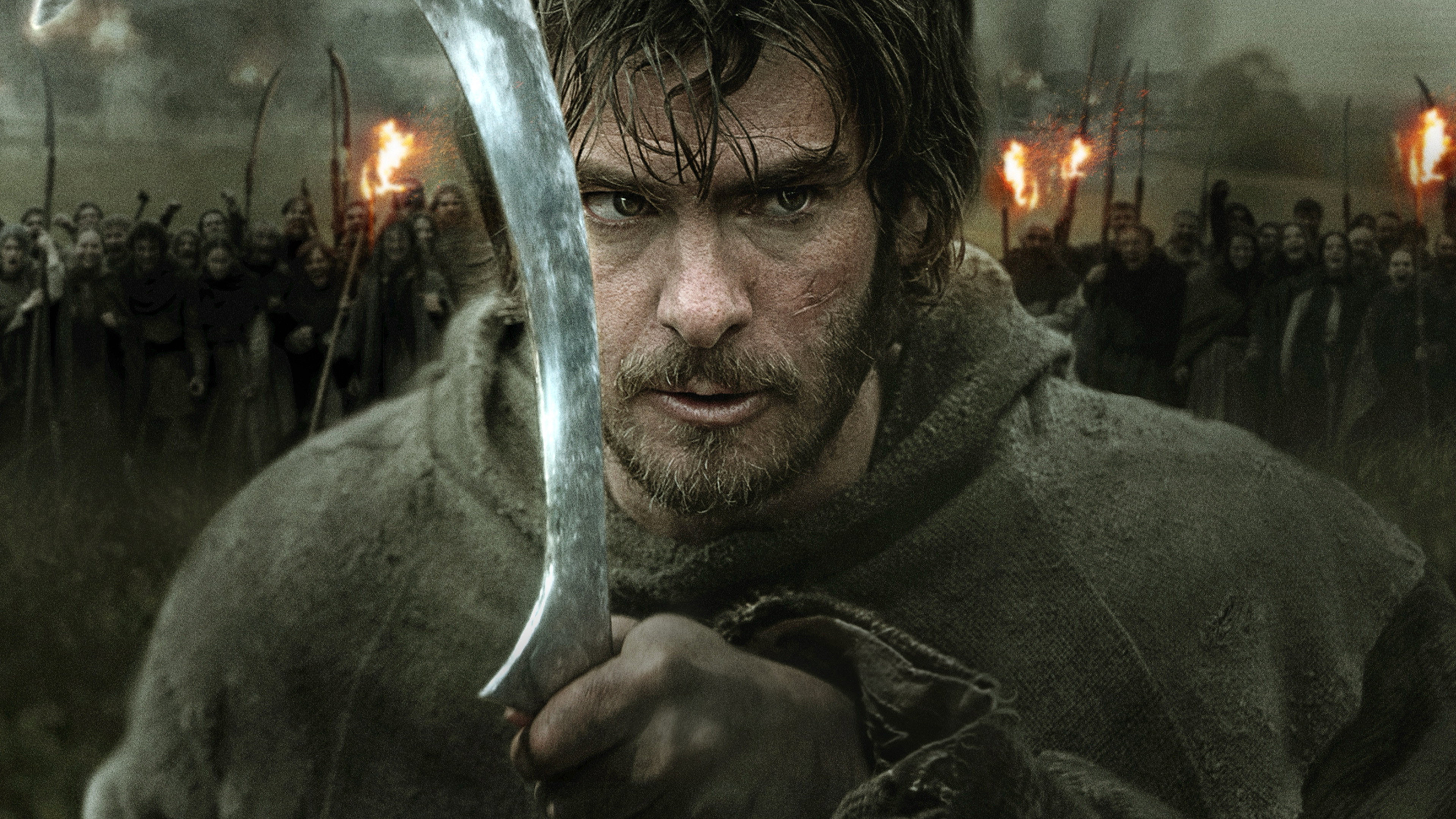
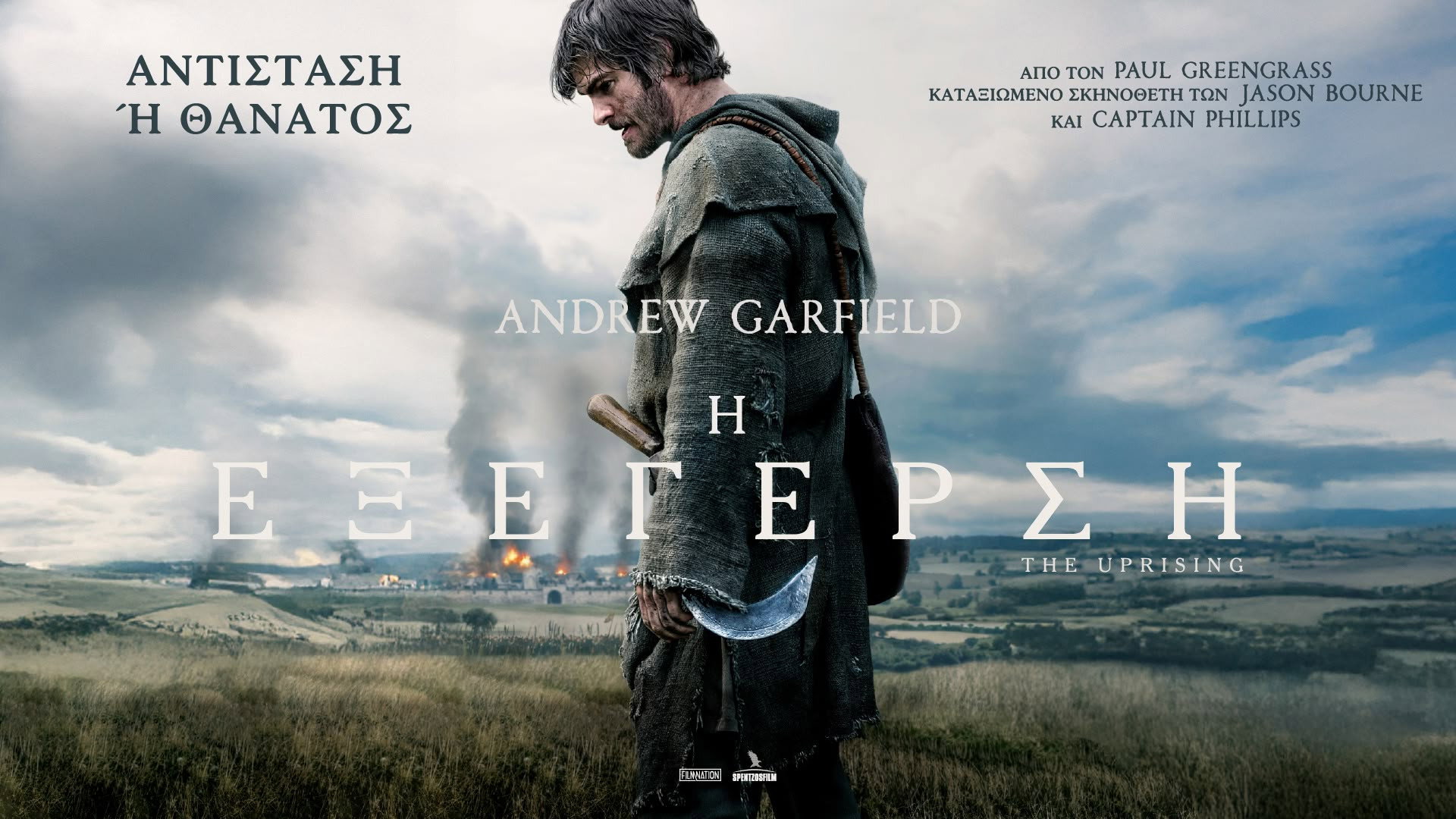
All trailers
Action Drama History
The Uprising
Watch at Home September 29
Video: YouTube
Duration: 00:36
Duration: 00:36
Action Drama History
The Uprising
In Cinemas Everywhere Now
Video: YouTube
Duration: 00:11
Duration: 00:11
Action Drama History
The Uprising
In Cinemas Everywhere Now
Video: YouTube
Duration: 00:21
Duration: 00:21
Action Drama History
The Uprising
In UK Cinemas Everywhere October 9
Video: YouTube
Duration: 00:31
Duration: 00:31
Action Drama History
The Uprising
In UK Cinemas Everywhere October 9
Video: YouTube
Duration: 00:31
Duration: 00:31
Action Drama History
The Uprising
UK Trailer
Video: YouTube
Duration: 01:12
Duration: 01:12
Action Drama History
The Uprising
Official Trailer
Video: YouTube
Duration: 02:40
Duration: 02:40
Did You Know?

Paul Greengrass resurrects England’s 14th‑century revolt with Andrew Garfield at its gritty heart
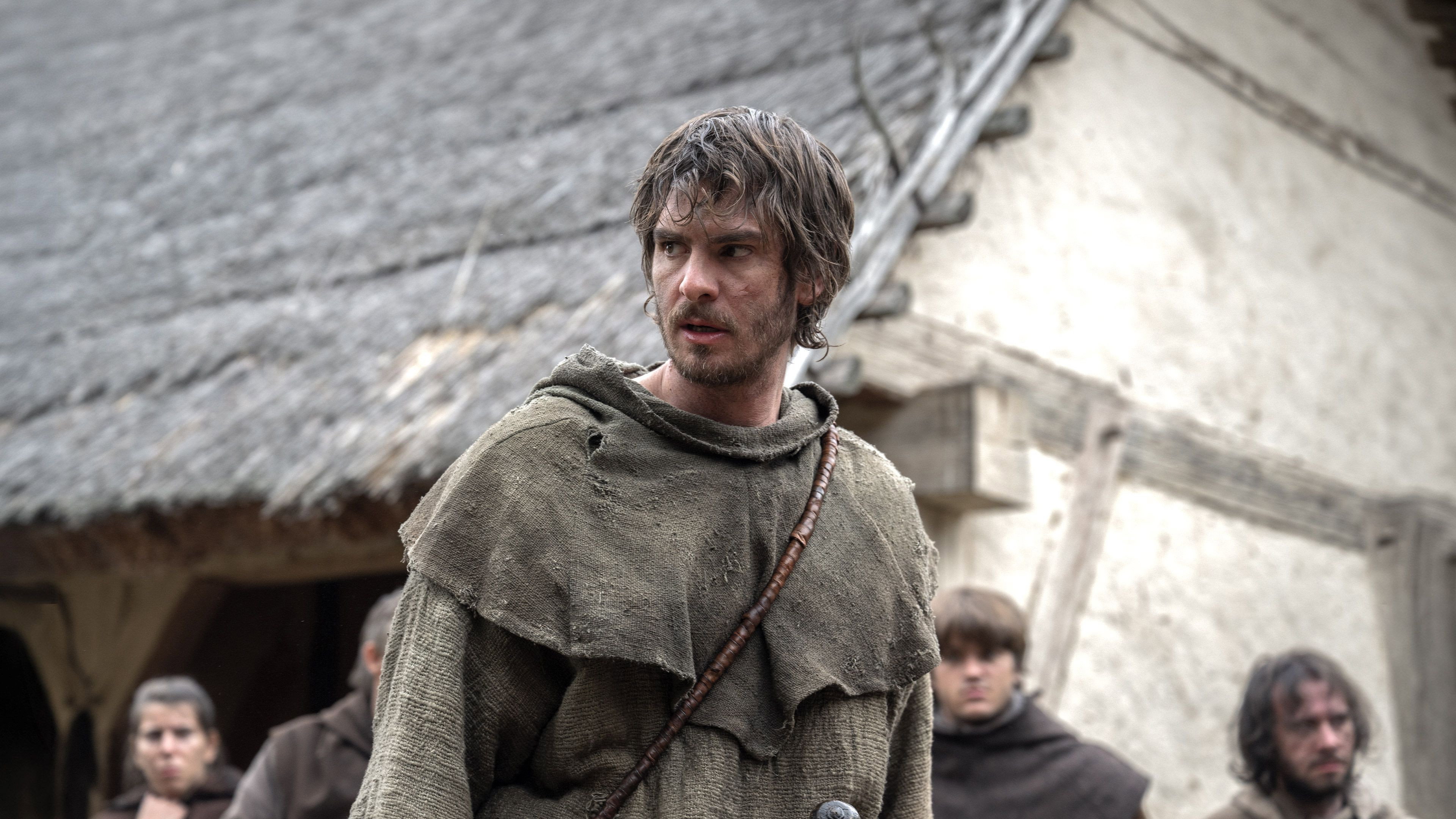
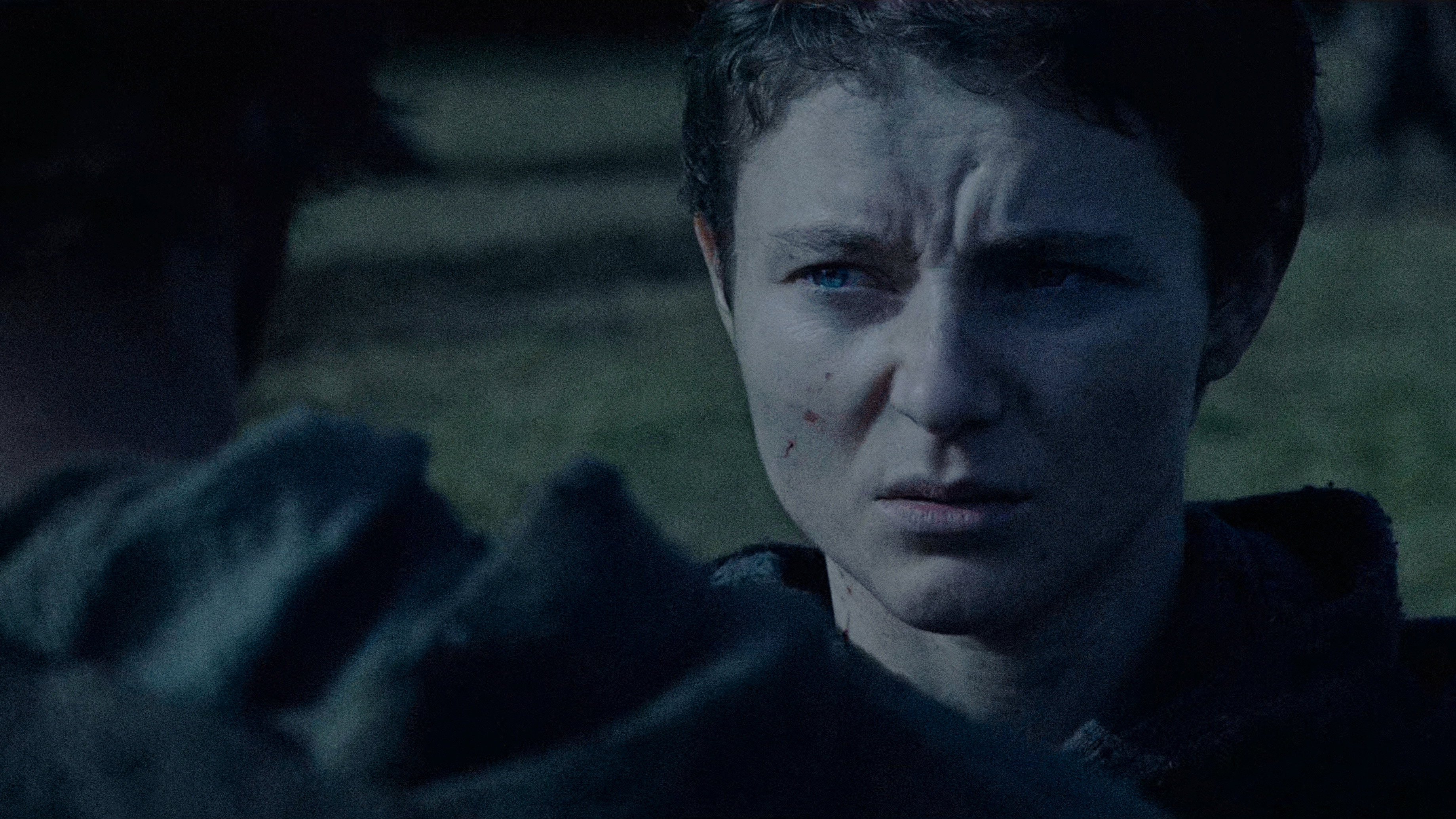
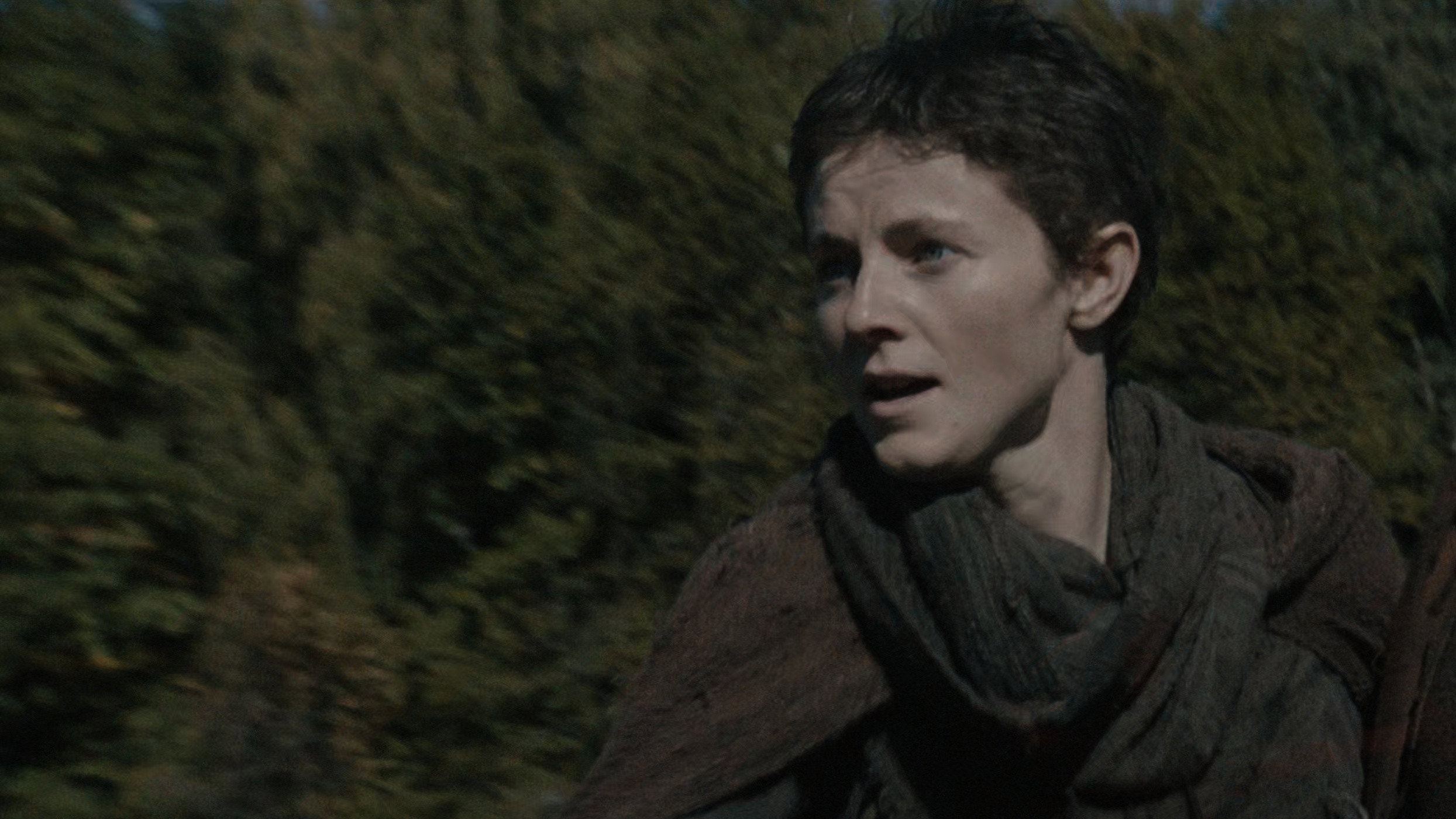
Greengrass’s latest Focus Features effort, The Uprising, plunges viewers into the chaotic Peasants’ Revolt of 1381, a moment when serfs dared to challenge a king who ruled both church and state. Andrew Garfield leads as the nameless ‘Ploughman,’ a grieving farmer whose fury over a new tax ignites a nationwide rebellion that feels eerily resonant in today’s climate of political discontent.
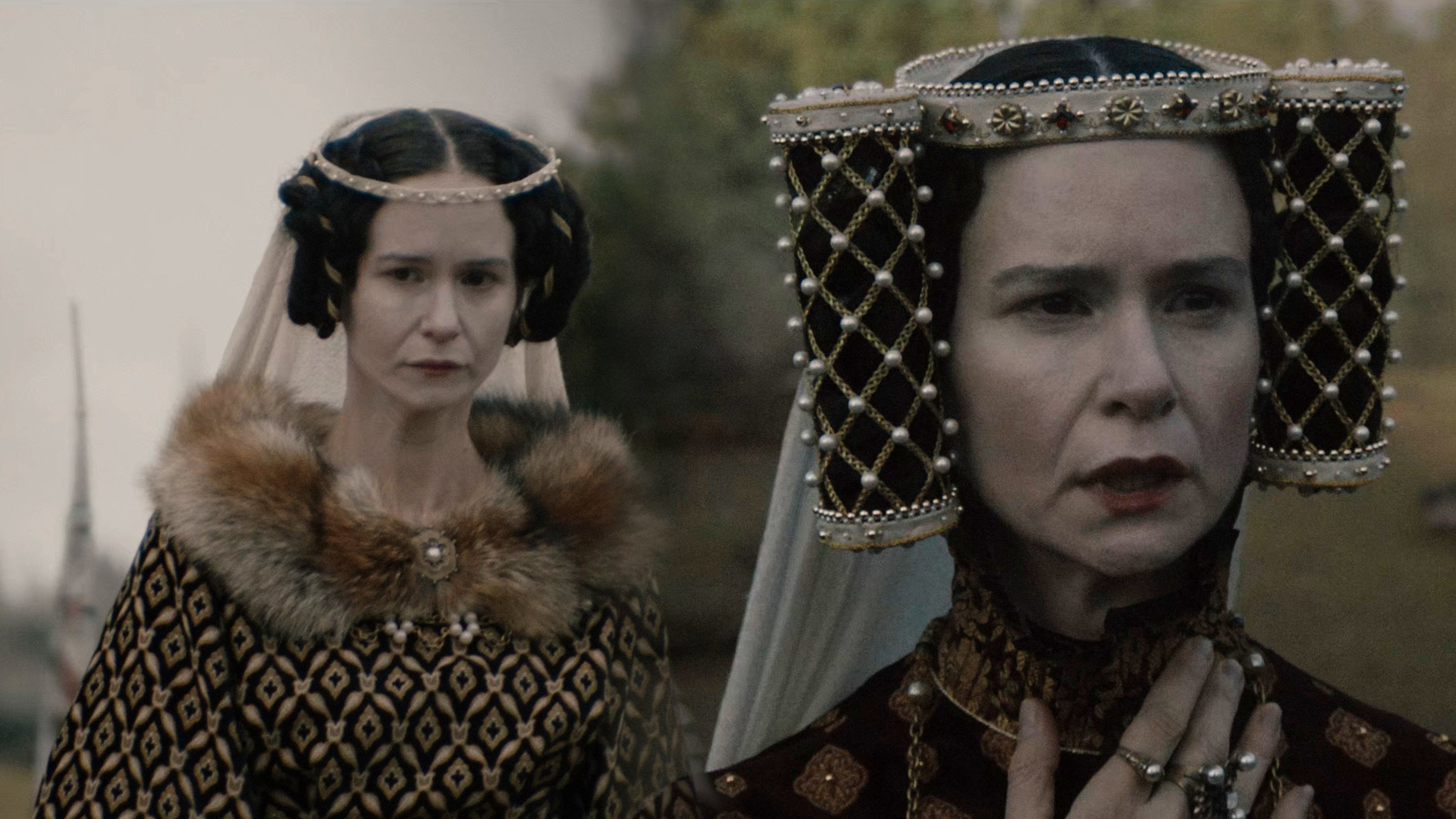
The ensemble brings together Cosmo Jarvis as the real‑life rebel Wat Tyler, Jamie Bell as radical clergyman John Ball, and Thomasin McKenzie as fellow insurgent Alyce, while Katherine Waterston, Tom Hollander, Stephen Dillane, Jonny Lee Miller, Stanley Townsend, Sky Yang and Woody Norman round out a cast that populates a world of feudal lords, treasurers and a teenage King Richard II. Production unfolded across Bavaria and an ancient Nuremberg church, lending the film an authentic medieval texture that even nods to the later legend of Robin Hood.
Greengrass says the story struck him during the early days of COVID‑19 lockdown, when the sense of powerlessness mirrored that of 14th‑century serfs. He crafted the narrative around an ordinary farmer’s hero’s journey, aiming to turn a historical uprising into a modern call to action. Garfield, moved by the script’s urgency, joined the project immediately, seeing the film as a cinematic antidote to today’s widespread disenfranchisement.

A 14th‑century rebellion finally gets a Hollywood makeover
Paul Greengrass’s new drama The Uprising brings the Peasants’ Revolt of 1381 to the big screen for the first time, starring Andrew Garfield as the nameless “Ploughman” and Jamie Bell as the fiery preacher John Ball. The film dramatizes the mass unrest sparked by Parliament’s poll tax, when thousands of disgruntled peasants marched on London demanding a post‑feudal society under a teenage Richard II. While the story leans on real events – the burning of palaces, the murder of officials and the eventual clash at Mile End – it also takes liberties, such as the claim that the revolt inspired the Robin Hood legend, a notion scholars say predates the uprising.
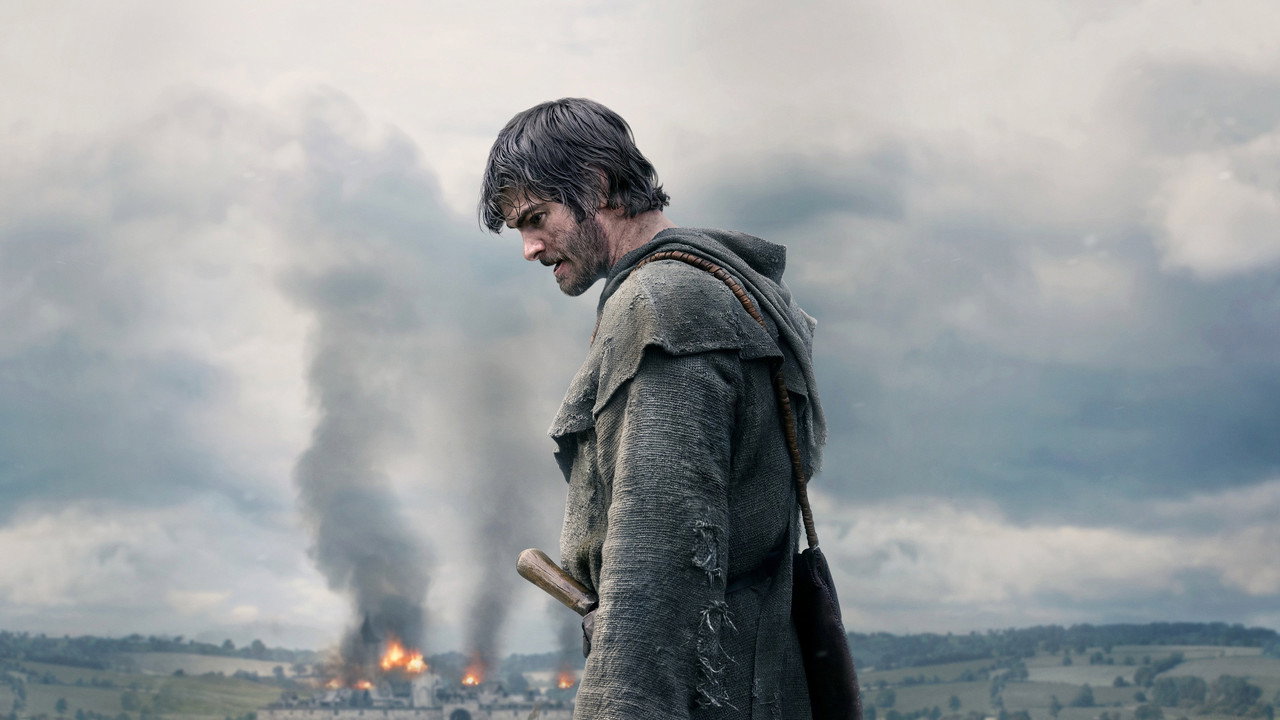
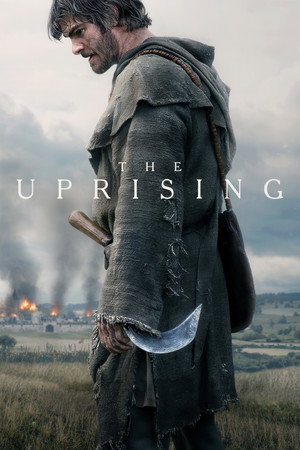
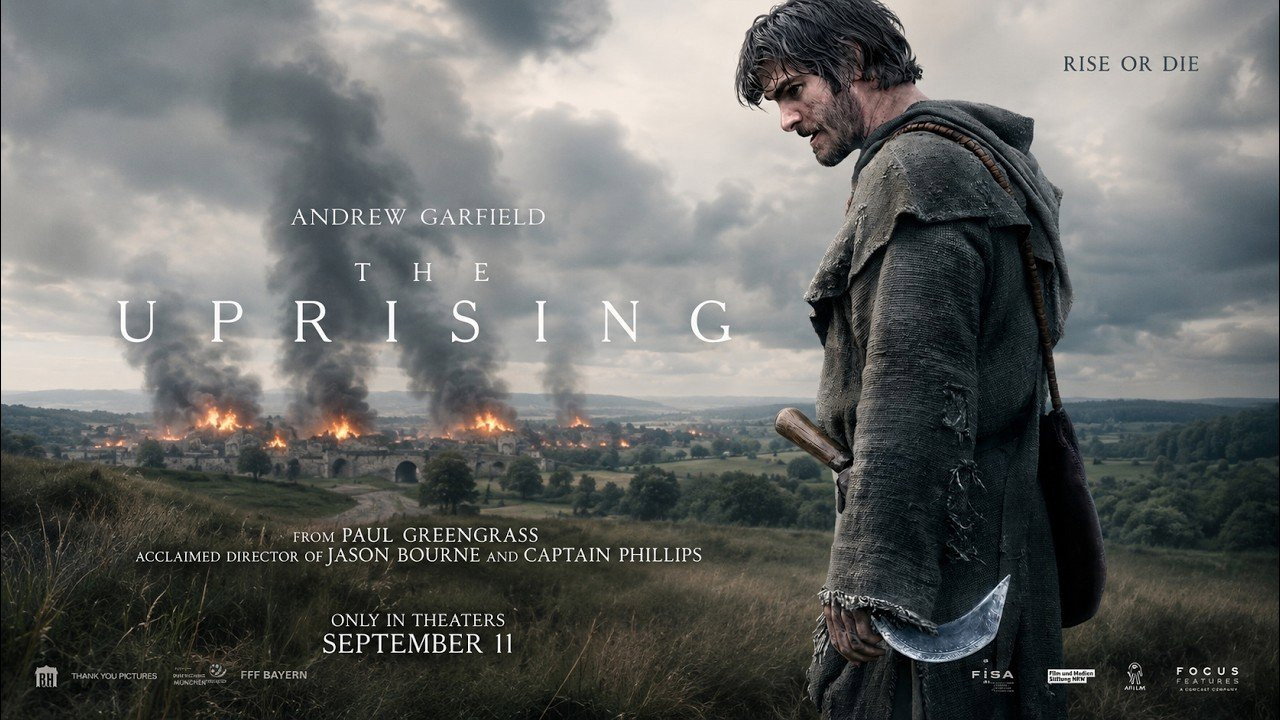
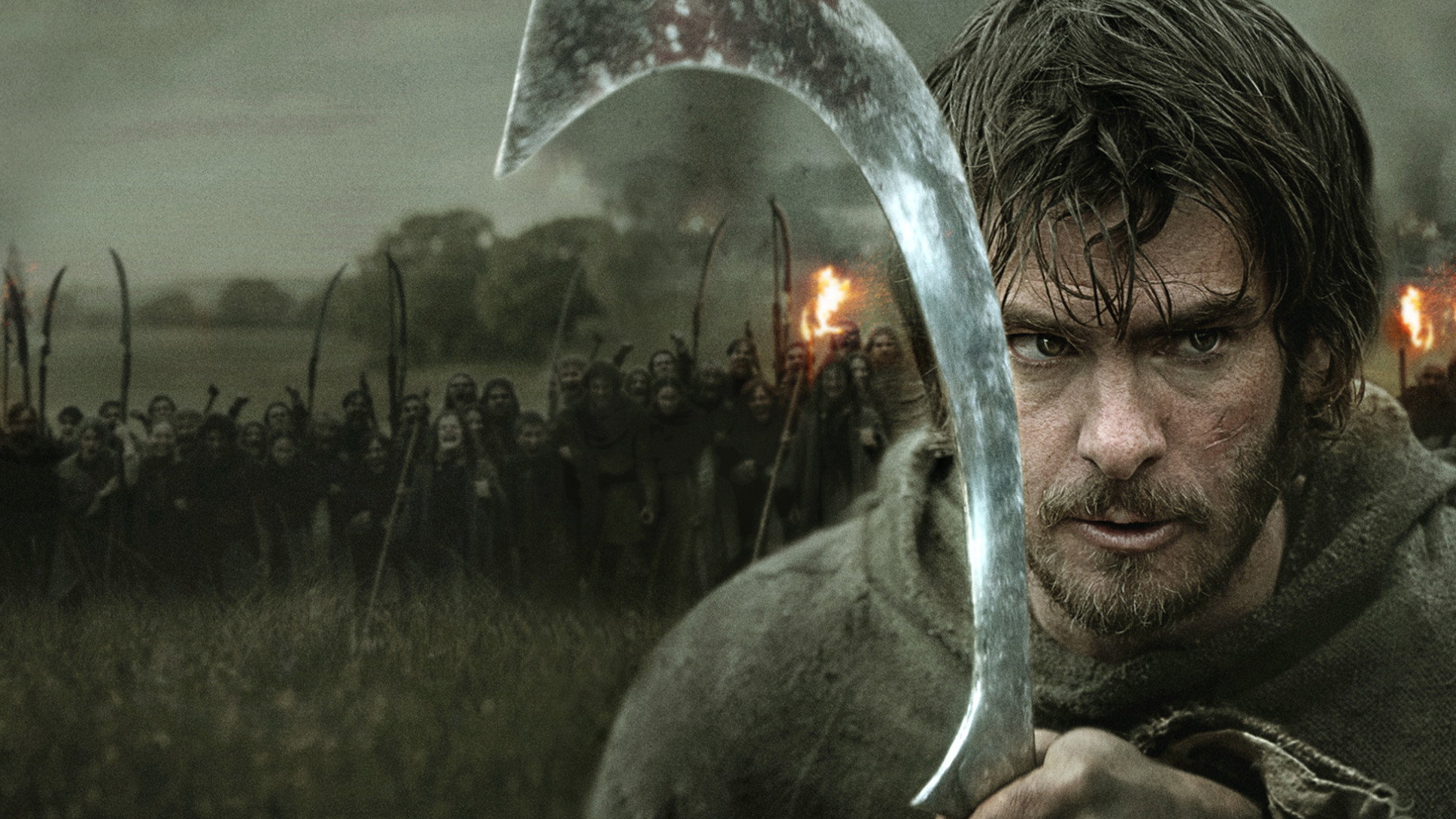
Garfield’s Ploughman is an invention, yet his character draws on the medieval allegory Piers Plowman, a figure that chroniclers of the time reportedly invoked as a rallying cry. Historian Dan Jones notes the role of this archetype in giving a face to the faceless masses, while Michael Johnston points out that the poem’s themes of social justice resonated with the rebels. The film’s visual shorthand – a sickle‑armed peasant with “Communist undertones” – underscores the timeless appeal of a common man fighting oppression.
Bell’s John Ball and Cosmo Jarvis’s Wat Tyler are rooted in history, though the records are sparse and hostile. Ball, a wandering priest, is portrayed as the blood‑thirsty leader urging the killing of “noxious weeds” – a line that echoes Thomas Walsingham’s account of his Blackheath sermon. Tyler’s existence is debated, yet the movie adopts the chronicler’s suggestion that he was a veteran of the Hundred Years’ War, dramatizing his fateful meeting with Richard II and the subsequent violent end. Scholars like Paul Freedman emphasize that a kingdom‑wide rebellion of this scale was a paradigm‑shattering moment, and The Uprising strives to capture that upheaval while navigating the fine line between fact and cinematic flair.

Andrew Garfield’s medieval thriller gets a second chance on digital—plus exclusive bonus reels
Universal has set the digital debut of Paul Greengrass’s The Uprising for September 29, offering an ad‑free stream and a slate of exclusive extras. Early‑bird fans can dive into deleted scenes with Garfield’s Ploughman, behind‑the‑scenes looks at authentic casting, and a deep dive into recreating 1381 England, all before the 4K UHD, Blu‑ray and DVD drop on November 3.
The film’s theatrical run was anything but triumphant, opening with a historic low of $3.31 million and pulling in just $7.8 million domestically against a $20 million budget. The numbers mark the weakest wide‑release opening for Garfield to date, leaving the picture far from breaking even.
Critical response was mixed—55% from critics and 64% from audiences—but some voices, like ScreenRant’s Brandon Zachary, gave it an eight‑out‑of‑ten, lauding the epic scope and Garfield’s timely, heart‑wrenching performance. The review highlighted how the story of a 14th‑century revolt still resonates today.
Adding to the drama was a baffling marketing push that linked the film to Robin Hood, a connection never made in the actual storyline. With that confusion cleared and the box‑office disappointment behind it, the digital launch aims to reach a wider audience and let the historical drama finally find its footing.
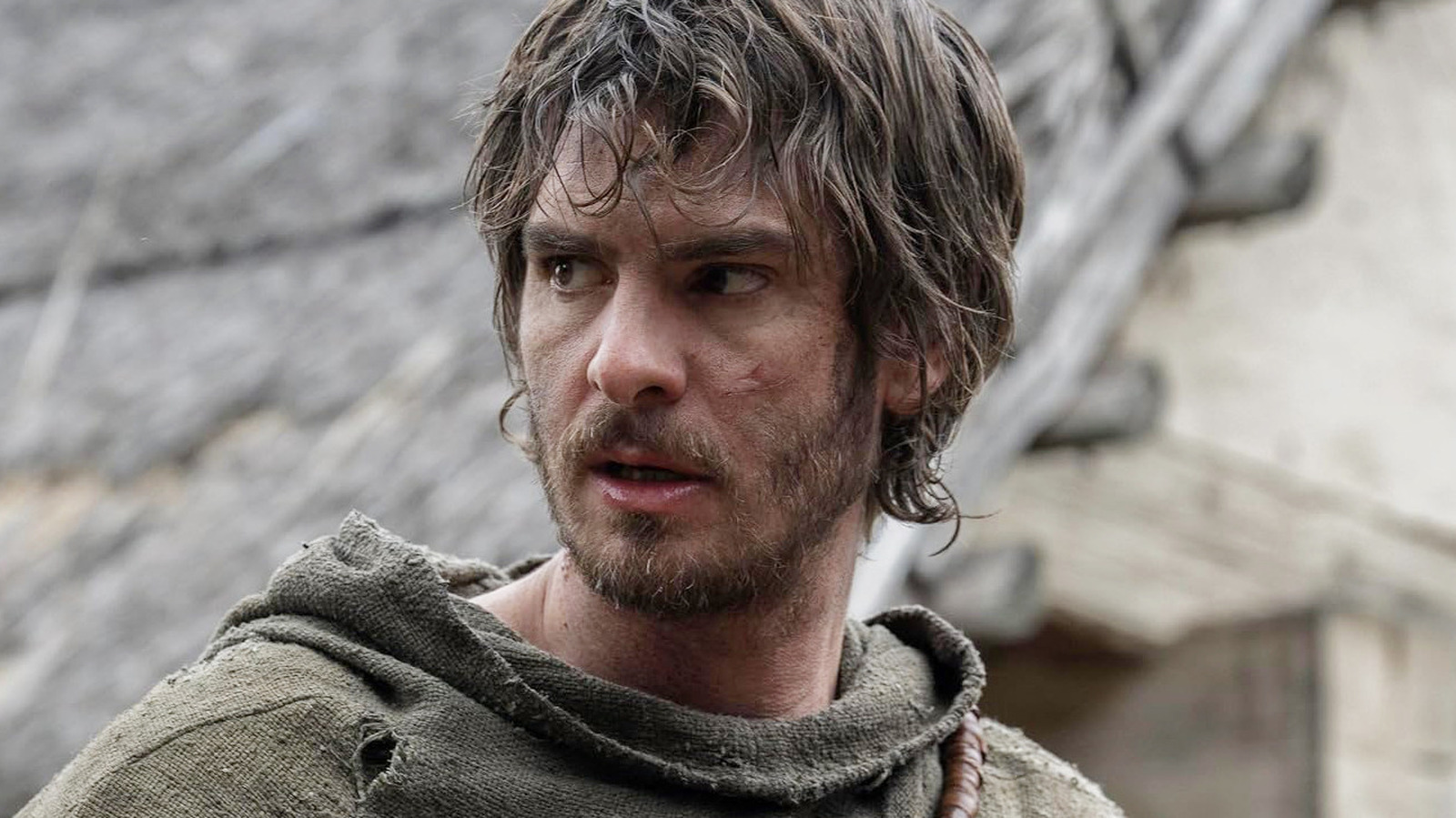
Andrew Garfield’s gritty medieval rebellion finally lands on your screen – but is it worth the watch?
"The Uprising" arrives on digital platforms on September 29, 2026, just a month after its theatrical flop, and will follow up with a 4K UHD, Blu‑ray and DVD release on November 3. The film follows Garfield’s nameless Ploughman, a peasant scarred by the Black Death who ignites a nationwide revolt against a royal council that’s pulling the strings for a teenage King Richard II.
Despite a talented ensemble that includes Jamie Bell, Tom Hollander and Katherine Waterston, the movie struggled to find an audience, pulling in only $7.7 million worldwide against a $20 million budget and earning a middling 54 % on Rotten Tomatoes. Critics like /Film’s Jeremy Mathai called it a dull, disappointing take on a possible Robin Hood origin, and even director Paul Greengrass’s signature shaky‑cam style feels out of place in the bleak medieval setting.
Still, the film isn’t without merit. Greengrass’s production design immerses viewers in a convincingly dreary 1381 England, and the digital purchase includes deleted scenes and behind‑the‑scenes featurettes that dive into the casting process and the recreation of the era. While streaming dates remain unannounced, the home‑release bundle offers the most complete look at a movie that, despite its flaws, may satisfy fans of period epics and Garfield’s brooding turn as a reluctant rebel.
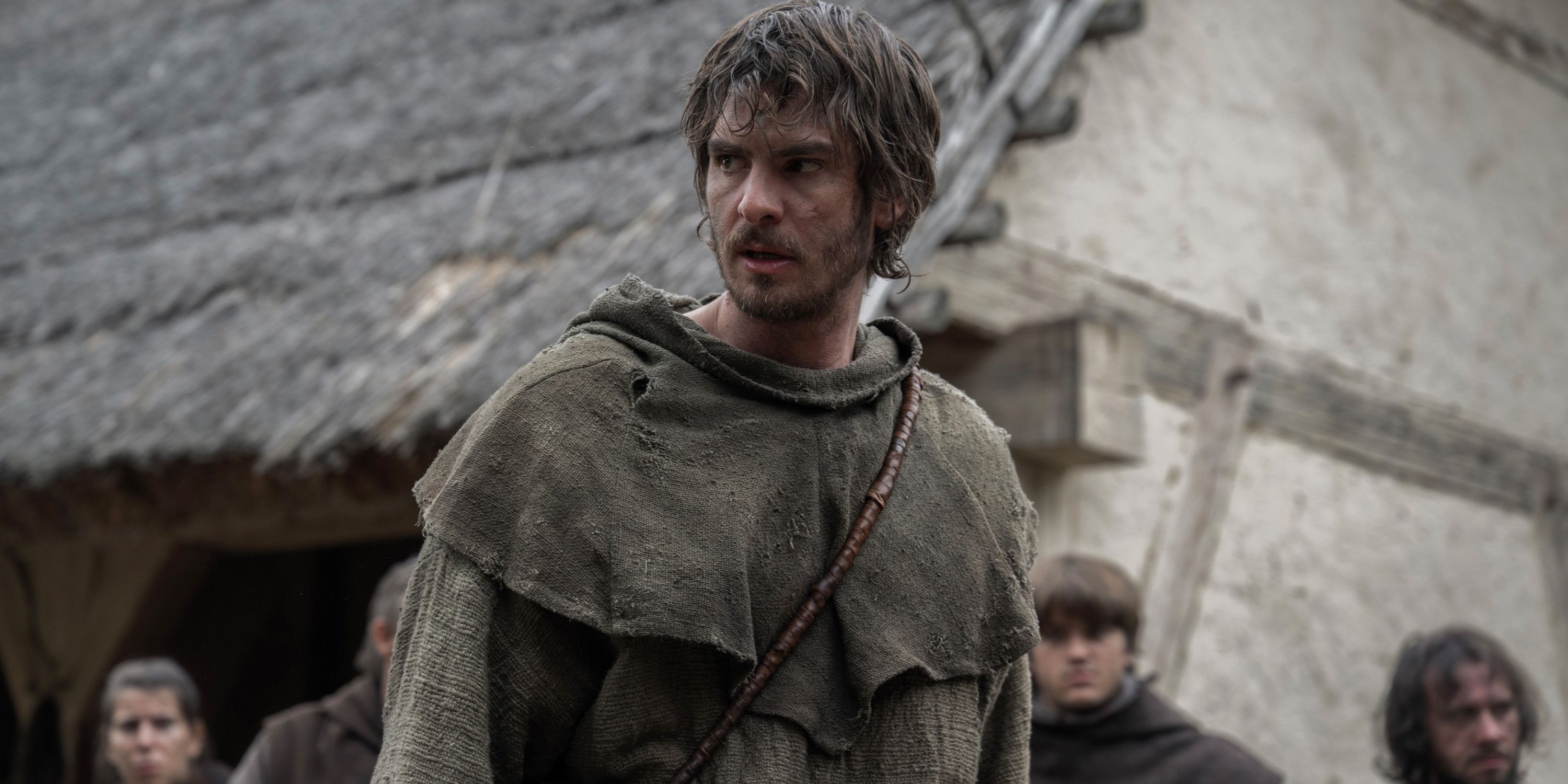
The Uprising isn’t the Robin Hood reboot you expected—here’s why it sparked a legend‑making buzz
Andrew Garfield’s new film, The Uprising, arrived amid a swirl of speculation that it might finally be a modern Robin Hood adventure. Directed by Paul Greengrass, the movie actually dramatizes the 1381 Peasants’ Revolt against King Richard II, with no overt nods to the famed outlaw in its early trailers. Only weeks before release did a subtitle appear in select markets—The Uprising: The Rise of Robin Hood—prompting fans to wonder if the legendary archer would finally get his cinematic moment.
The film’s ending settles the mystery: Garfield’s nameless plowman becomes the seed of the Robin Hood myth, an epilogue that ties the historical uprising to the folklore we know. While the title now carries the Robin Hood name, the story itself stays rooted in medieval rebellion rather than the classic forest‑bandit tale.
Meanwhile, viewers craving a more traditional take have flocked to MGM+’s 2025 Robin Hood series, which currently ranks as the platform’s seventh‑most‑watched show worldwide and ninth in the U.S., edging out titles like The Last Samurai. The series, starring Jack Patten as Rob and Sean Bean as the Sheriff of Nottingham, has been greenlit for a second season, though production has yet to begin, meaning fans may have to wait a few years for the next round of merry‑men mischief.
Both projects illustrate how the Robin Hood legend continues to evolve—whether as a historical footnote in a revolt or as a streaming staple that keeps the legend alive for a new generation.

Andrew Garfield leads a blood‑soaked revolt in Paul Greengrass’s gritty new medieval epic
Paul Greengrass turns the obscure 1381 Peasants’ Revolt into a visceral, pandemic‑scarred saga. Half of England’s population has perished, including the Ploughman’s wife and daughters, and the grief‑stricken farmer—played by Andrew Garfield—becomes the film’s reluctant hero. He is drawn into a rag‑tag militia under the charismatic Wat Tyler and his fiery priest, John Ball, as they march on a terrified London.
The movie doesn’t shy away from the era’s brutality: beheadings, street‑level carnage, and a desperate King Richard II forced to confront his own advisors after armies are recalled from France and Scotland. In a surprising turn, Richard concedes to the rebels’ demands, allowing a new people’s charter to be drafted and circulated across the kingdom.
Greengrass layers historical grit with a few mythic flourishes—most notably turning the Ploughman into a Robin Hood‑type figure—making the story both educational and dramatically heightened. While the bloodshed is relentless, the film shines as a well‑acted, tightly told portrait of a little‑known uprising that reshaped medieval England.