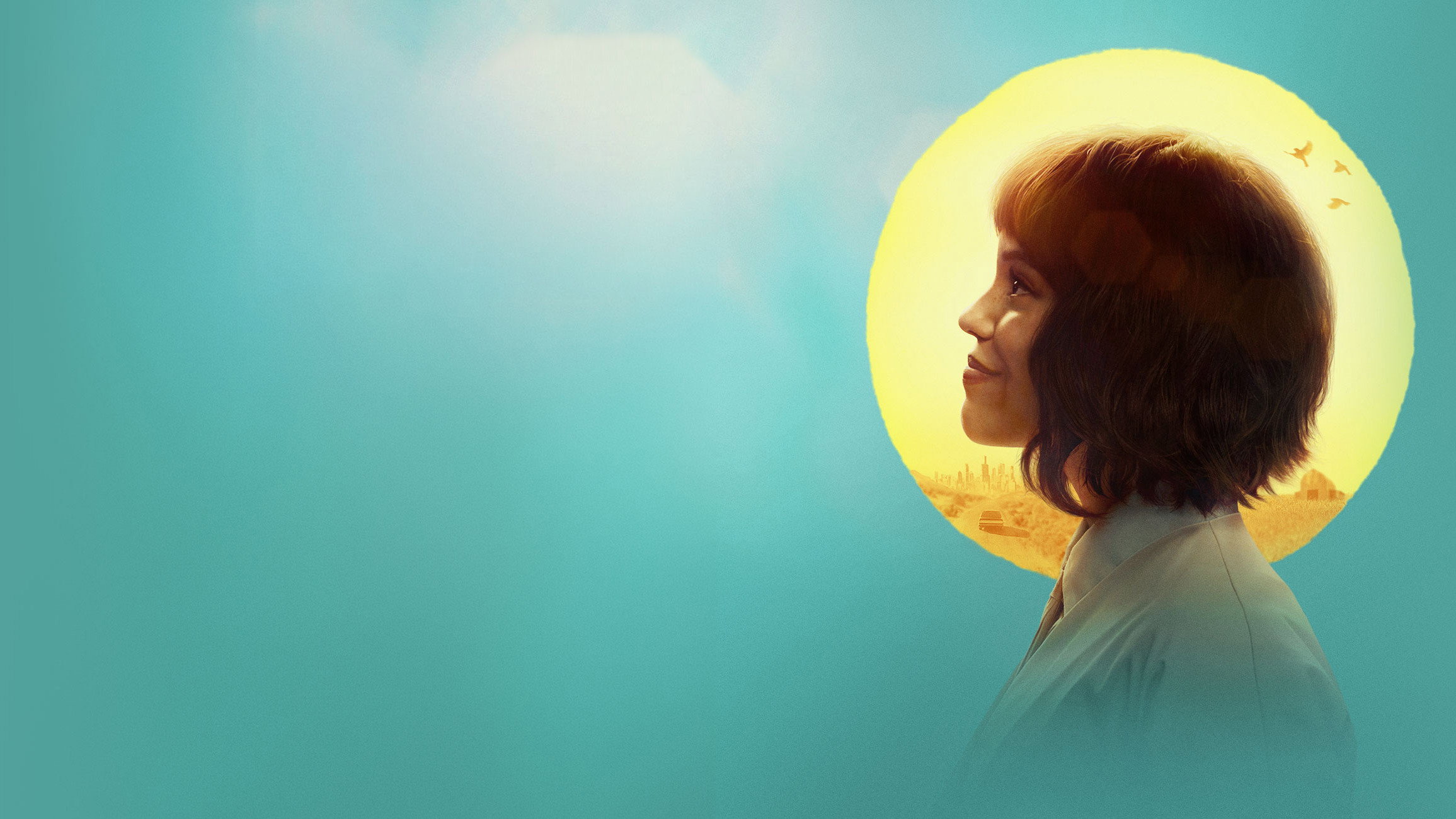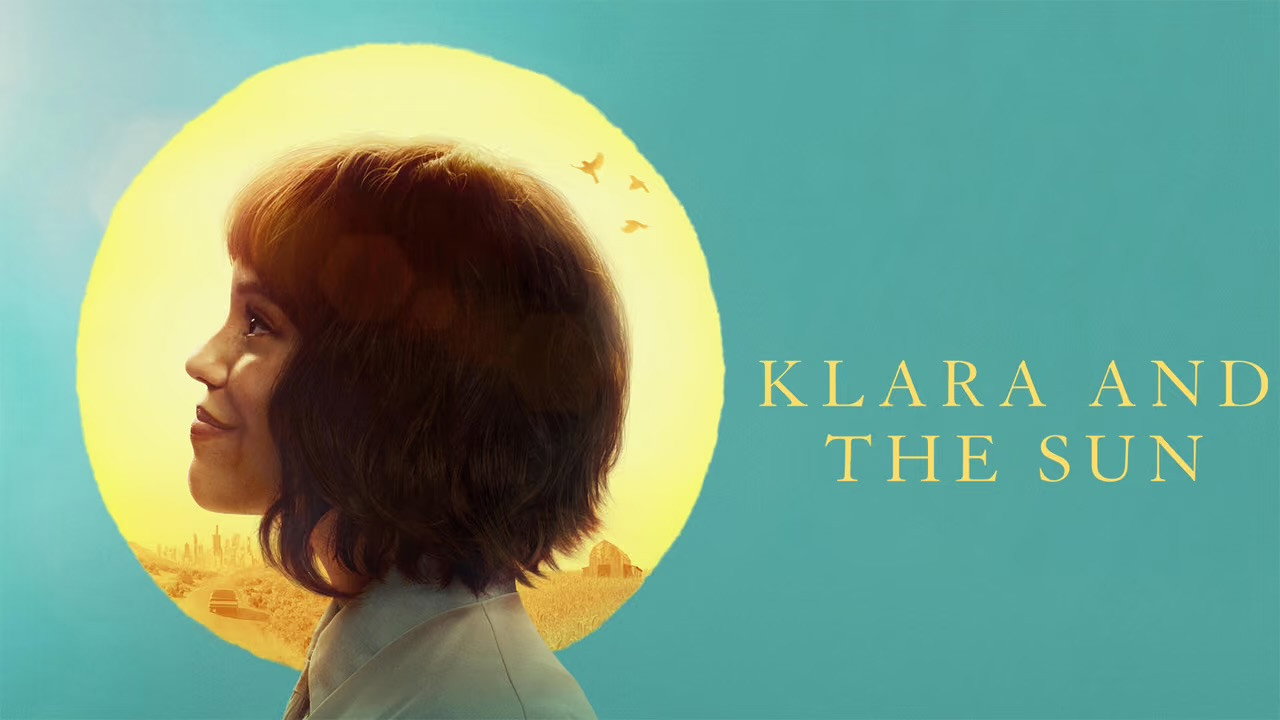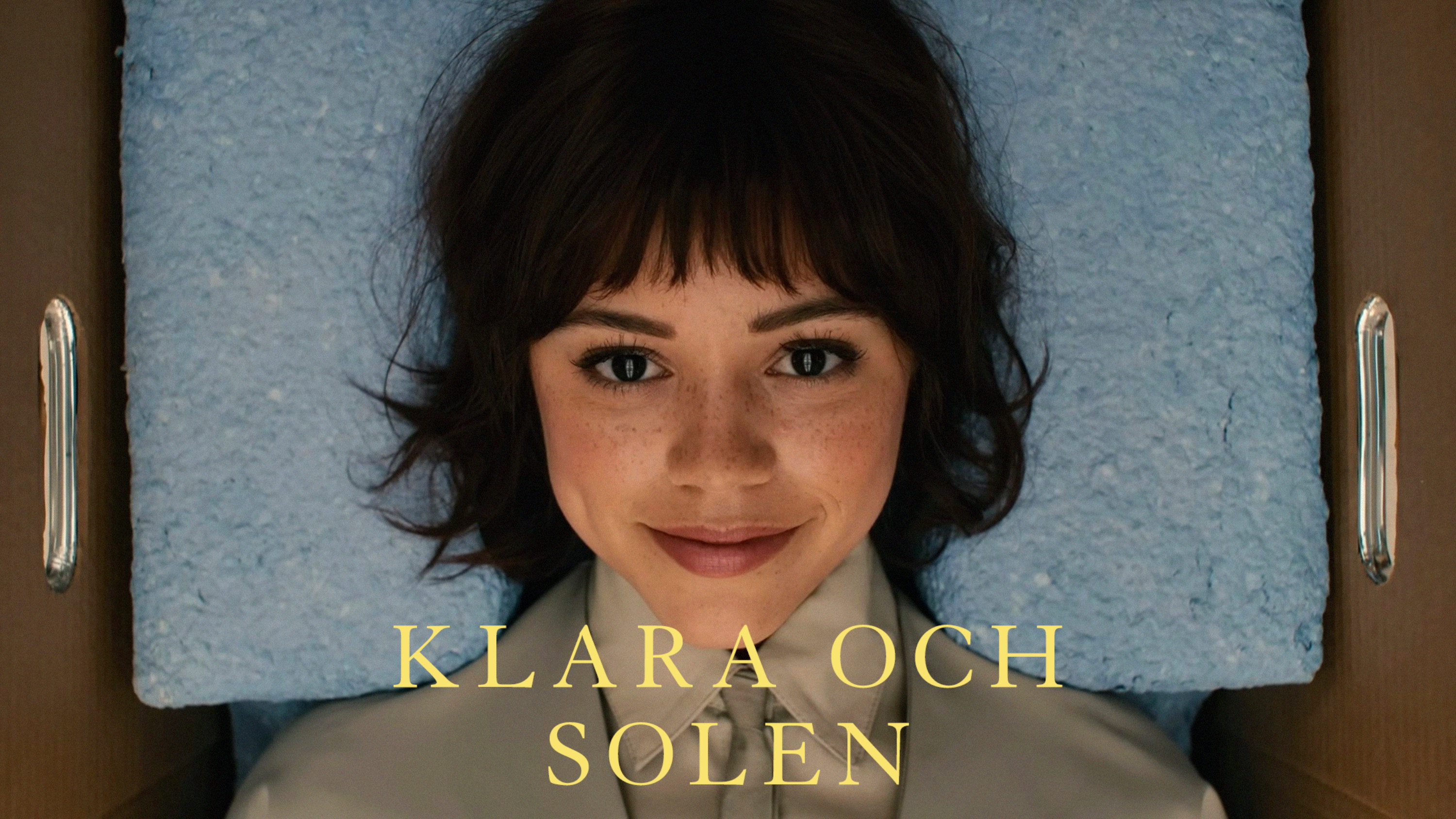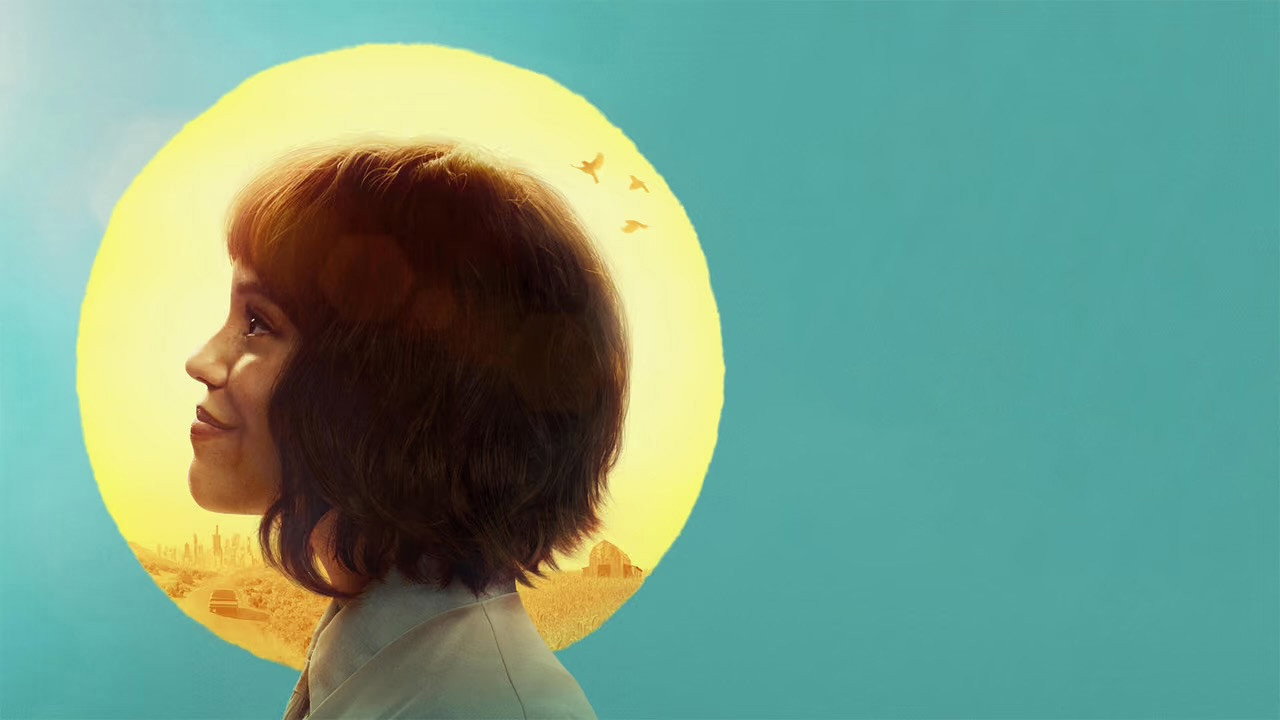

Klara and the Sun backdrop
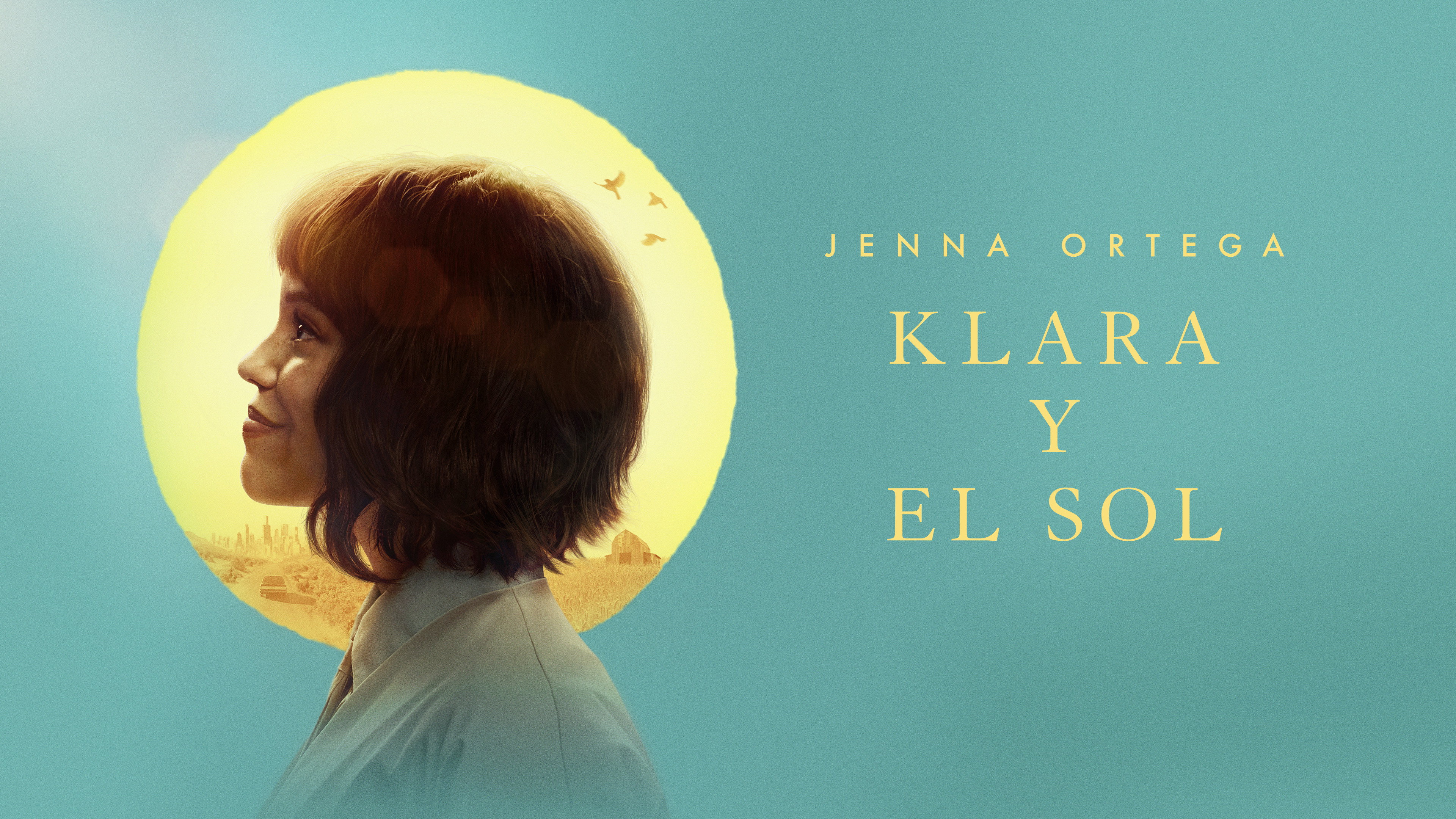
Klara and the Sun poster
Science Fiction Drama
Meet the future of friendship.

Klara and the Sun (2026)

Runtime 116 min
Release date 21/10/2026
Country United Kingdom, United States of America
Production
3000 Pictures 3000 Pictures
Heyday Films Heyday Films
TSG Entertainment TSG Entertainment
Spyglass Media Group Spyglass Media Group
Garrett Basch Productions
HarperCollins Publishers HarperCollins Publishers
Overview
When Klara, an Artificial Friend who wants nothing more than to find the perfect home, meets Josie, each immediately senses a kindred spirit in the other. Josie has a fraught relationship with her mother and they've suffered great loss, but Klara's innocent wonder and unwavering loyalty begin to heal the family and bring light to Josie's complicated world.
Directors & Screenwriters
Taika Waititi profile photo
Taika Waititi
Director & Screenwriter
Dahvi Waller profile photo
Dahvi Waller
Screenwriter
Cast
Jenna Ortega profile photo
Jenna Ortega
as Klara
Mia Tharia profile photo
Mia Tharia
as Josie
Amy Adams profile photo
Amy Adams
as Chrissie
Natasha Lyonne profile photo
Natasha Lyonne
as Manager
Aran Murphy profile photo
Aran Murphy
as Rick
    Rachel House profile photo
    Rachel House
    as Melania
    Steve Buscemi profile photo
    Steve Buscemi
    as Capaldi
    Davida McKenzie profile photo
    Davida McKenzie
    as Simone
    Harry Greenwood profile photo
    Harry Greenwood
    Default profile image
    Anastasiia Aksiuta
    as AF-1
    Antonia Prebble profile photo
    Antonia Prebble
    as Fiona
    Rachel Forman profile photo
    Rachel Forman
    as Prudence
    Laura Interval profile photo
    Laura Interval
    as Deb
    Default profile image
    Sura Siu
    as Audiobook Narrator (voice)
    Molly Curnow profile photo
    Molly Curnow
    as Rose
    Bronwyn Bradley profile photo
    Bronwyn Bradley
    as Miriam
    Alexandra Hall profile photo
    Alexandra Hall
    as Rachel
    Default profile image
    Jesse Griffin
    as Scarecrow
    Carmel McGlone profile photo
    Carmel McGlone
    as Joan Capaldi
    Default profile image
    Eden Perkins
    as Luka
    Default profile image
    Keeley Swinton
    as Misty AF
    Default profile image
    Sebastian Tang
    as Xavier
    Default profile image
    Junghun Jo
    as Harley
    Default profile image
    Catherine Coker
    as Paula AF
    Myer van Gosliga profile photo
    Myer van Gosliga
    as Fred
    Default profile image
    Ilana Lloyd
    as Georgia
    Gabriel Chao Ren profile photo
    Gabriel Chao Ren
    as Coffee Man
    Xiao Hu profile photo
    Xiao Hu
    as Umbrella Woman
All trailers
Science Fiction Drama

Klara and the Sun

Powered by sunshine

Video: YouTube
Duration: 00:30
Science Fiction Drama

Klara and the Sun

One month until the world meets Klara

Video: YouTube
Duration: 00:14
Science Fiction Drama

Klara and the Sun

Meet the future of friendship.

Video: YouTube
Duration: 00:12
Science Fiction Drama

Klara and the Sun

Official Trailer

Video: YouTube
Duration: 02:32
Did You Know?
Jenna Ortega Stars as Klara in Klara and the Sun, Premiering October 23, 2026
Image via headtopics.com,

Jenna Ortega trades Wednesday’s deadpan for an innocent android in Taika Waititi’s new sci‑fi adaptation
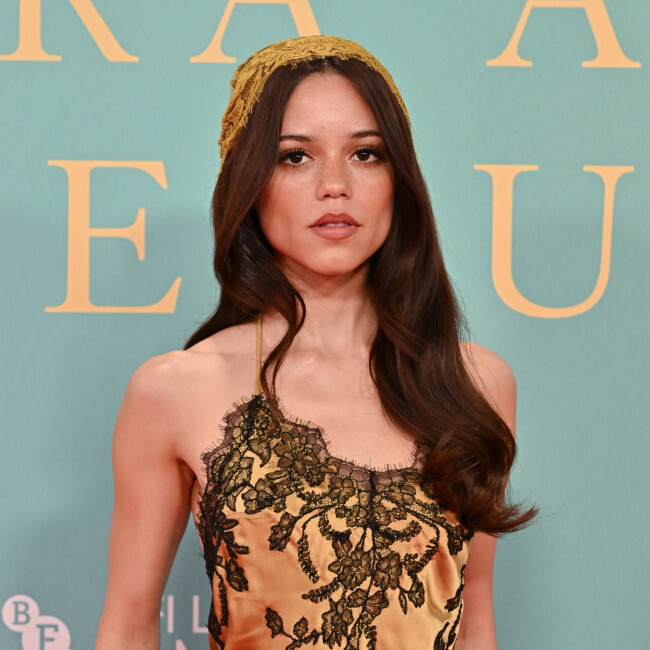
Jenna Ortega steps into a radically different role as the titular Klara, an outdated companion android, in Taika Waititi’s upcoming adaptation of Kazuo Ishiguro’s novel. The film opens in theaters on October 23, 2026, and promises a fresh blend of dystopian sci‑fi and heartfelt drama. The casting shift is stark: Ortega, fresh off her breakout as the sharp‑tongued Wednesday Addams, now portrays a toddler‑like, joy‑filled machine whose only goal is to belong. She joins an ensemble that includes Amy Adams, Mia Tharia, Natasha Lyonne and Steve Buscemi, setting the stage for a story that probes identity, connection, and what it means to be human. In the narrative, Klara is purchased by a young girl named Josie, sparking an immediate bond that pulls the android into a family wrestling with loss and a strained mother‑daughter relationship. Clocking in at 116 minutes and rated PG‑13 for drama, comedy and sci‑fi elements, the film balances tender moments with the genre’s usual speculative edge. Industry watchers see Klara and the Sun as a pivotal move for Ortega, showcasing her range beyond the darkly comedic Wednesday. With Waititi’s direction and Ishiguro’s source material, the project could broaden her horizons and cement her status as a versatile talent ready for any genre.
Jenna Ortega wishes people were more 'present'
Image via arcamax.com,

Jenna Ortega’s Klara asks us to unplug and live in the moment

Jenna Ortega, fresh off her breakout as Wednesday Addams, steps into the role of the titular android in Taika Waititi’s new sci‑fi adaptation, Klara and the Sun. In a candid interview with Variety, the 24‑year‑old urged audiences to "put down the computers and phones" and focus on the people standing right in front of them, framing the film as a reminder to be present. Ortega clarified that Klara isn’t the data‑driven AI we see online; the character gathers knowledge from the real world, making her more like a curious toddler than a machine that pulls everything from the internet. Waititi’s direction reinforces that humanity, opting for clumsy, unknowing movements over sleek robotics to keep Klara grounded in a relatable, almost childlike innocence. The story is rooted in Kazuo Ishiguro’s 2021 novel, and the Nobel‑prize‑winning author notes how the world’s attitude toward AI has shifted dramatically since the book’s release. He stresses that the film won’t follow the typical “nice AI turns sinister” formula, instead offering a quieter meditation on technology’s place in a rapidly changing society. Beyond the screen, Ortega reflected on her own struggle with fame after Wednesday’s success, describing a period of unhappiness and intense pressure. Her call for presence feels personal as much as it does cinematic, inviting viewers to step back from screens and reconnect with the world around them.
‘Klara And The Sun’ Review: A Curiously Flat Dystopian Comedy-Drama
Image via headtopics.com,

Taika Waititi’s ‘Klara and the Sun’ turns Ishiguro’s haunting novel into a puzzling, pastel‑colored AI fable.

Taika Waititi steps into Kazuo Ishiguro’s 2021 dystopian novel with high expectations, given his knack for cringe‑laden, reality‑based comedy. The result, however, is a sporadically funny meditation that never quite lands, leaving viewers wondering whether the director has drifted off course or the material simply resists his style. The film opens in a candy‑colored “Friend Store” where a B1 robot named Klara sits on the shelf, overseen by a fiercely protective store manager played by Natasha Lyonne. The shop competes with a rival “Fancy Friends” outlet that sells newer Bluetooth‑enabled B3 models, hinting at a future where AI evolves at breakneck speed while the internet itself has been erased after a recent world war. Klara’s new owner, teenage Josie, is a genetically “lifted” polymath battling a serious illness. Her mother, Chrissie, purchases the robot not just for companionship but in a desperate bid to stave off another loss. As Klara learns the depth of Josie’s condition, the film shifts from light‑hearted curiosity to a darker exploration of mortality, motherhood, and the limits of artificial life. Even with strong performances, the movie’s tone unravels during moments like Josie’s avant‑garde school scene, where unlistenable music and impractical fashion clash with the story’s earlier innocence. The promised blend of humor and heart fizzles, leaving a curiously flat dystopian comedy‑drama that feels out of step with both the source material and Waititi’s own previous work.
Klara and the Sun backdrop

Taika Waititi’s take on Ishiguro’s tender robot tale lands somewhere between sweet and cloying.

Kazuo Ishiguro’s introspective novel "Klara and the Sun" finally makes the leap to the big screen under Taika Waititi’s direction, with a screenplay co‑written by Waititi and Dahvi Waller. Jenna Ortega brings a playful goofiness to the titular Artificial Friend, while Amy Adams offers her trademark thoughtfulness as Josie’s mother, Chrissie. Yet the film’s emotional core feels diluted, as Ortega’s performance leans more toward physical comedy than the quiet vulnerability that defined the book’s protagonist. Visually, the movie does shine. Cinematographer Michael Berlucchi employs a clever pixel‑filter that flickers whenever Klara steps into a new setting, echoing her internal recalibration. The sun—Klara’s celestial guardian—receives a luminous treatment, bathing several scenes in a magical glow that hints at the novel’s lyrical reverence for light. Unfortunately, the tone wavers. Natasha Lyonne’s brash Store Manager seems to belong to a different, more satirical world, pulling the narrative away from the delicate melancholy that Ishiguro masterfully cultivated. The result is a film that feels earnest yet unfinished, earning a modest two‑star rating out of four. Rated PG‑13 for thematic elements, some violence, and strong language, the 1‑hour‑56‑minute feature opens in theaters on Oct. 23.
Klara and the Sun backdrop

Critics panned it, but audiences are cheering Jenna Ortega’s AI drama
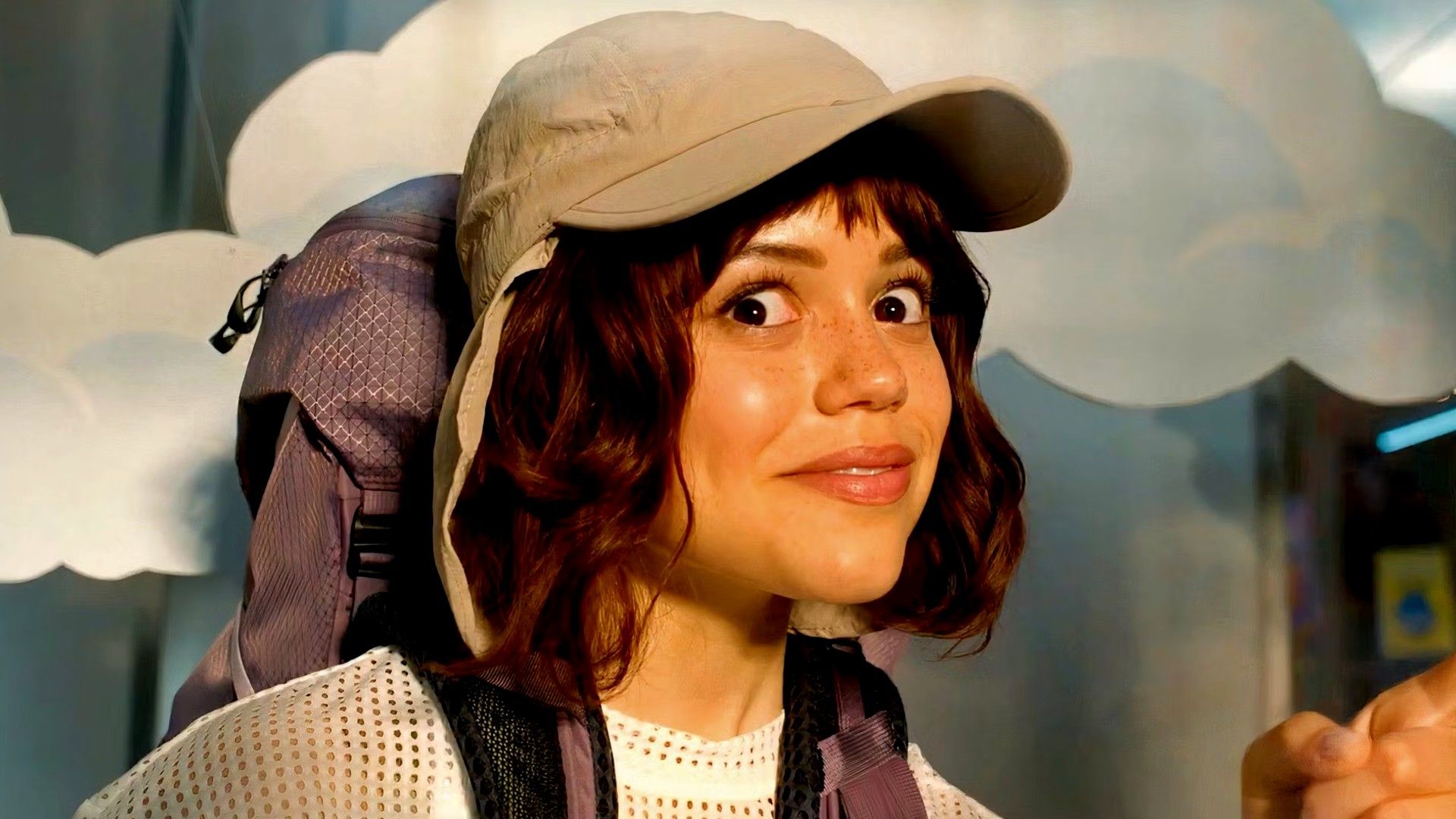
When Taika Waititi’s sci‑fi adaptation of Kazuo Ishiguro’s novel hit theaters in October 2023, it earned a meager $701,059 domestic opening and a Rotten Tomatoes Tomatometer of just 25%. Yet the same film boasts a 78% audience score – the sixth‑highest rating of Ortega’s filmography, trailing only her biggest hits like Scream VI and The Fallout. Reviewers faulted the movie for straying from the novel’s melancholy, calling its tone overly quippy and its supporting characters thinly written. In contrast, Ortega’s performance as the android Klara was singled out for warmth and sincerity, and viewers praised the film’s humor, emotional core, and its take on friendship, artificial intelligence and loss. Despite the theatrical flop, Sony’s streaming deal with Netflix could give the picture a second wind. The studio limited the release to select theatres, hoping word‑of‑mouth and a strong audience reception will drive streaming viewership, echoing the post‑theatrical success of Ortega’s earlier project Death of a Unicorn. The mixed reception underscores a growing pattern in Ortega’s recent work: projects that divide critics yet rally fans. With high‑profile slots ahead – a role in The Gallerist alongside Natalie Portman and a return as Wednesday Addams – the actress is cementing herself as a talent whose movies can thrive on audience approval even when critical consensus falters.
Jenna Ortega's New Sci-Fi Movie Officially Rebounds With Strong Rotten Tomatoes Audience Score
Image via screenrant.com,

Jenna Ortega’s latest sci‑fi flop flips the script with fans loving what critics hate
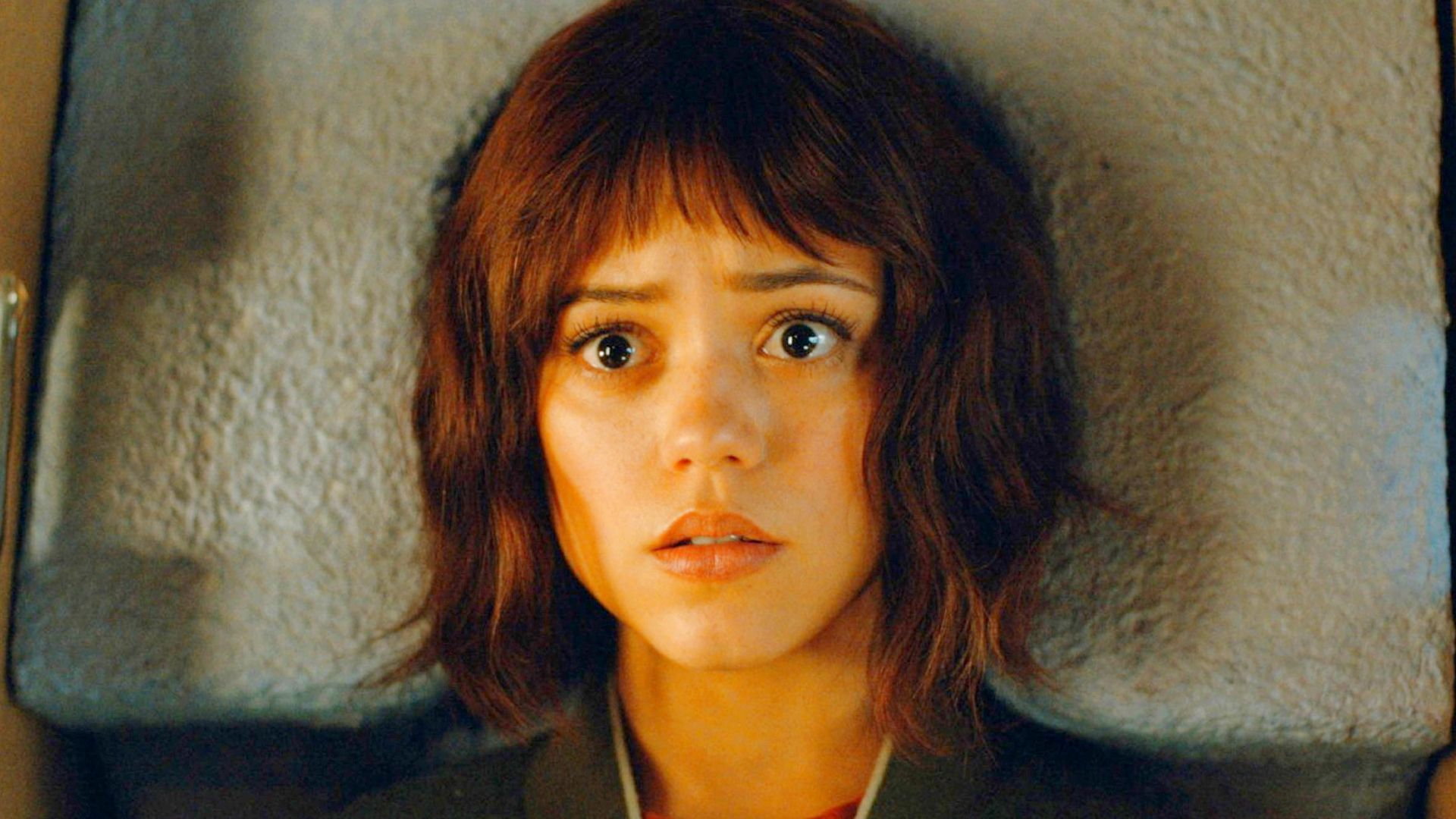
Despite a dismal 25% critics' score on Rotten Tomatoes, Klara and the Sun has struck a chord with moviegoers, earning a solid 78% audience rating – a 53‑point gap that places it among Ortega’s highest‑rated fan favorites, just shy of Scream VI and The Fallout. Critics slammed the film for abandoning the melancholic depth of Kazuo Ishiguro’s novel in favor of Taika Waititi’s trademark quirkiness, but audiences praised Ortega’s warm performance as the artificial companion and the movie’s humor and emotional take on friendship, AI, and loss. The box‑office reality was far less forgiving. After a tepid opening weekend that netted only $701,059 across 880 domestic theaters, Sony pulled the plug on a wider release, despite the film’s $20 million budget. The limited theatrical run couldn’t salvage the commercial outlook, leaving the project to rely on word‑of‑mouth and its strong audience reception for a second life. Streaming could be the movie’s redemption arc. With a distribution deal in place, Klara and the Sun is slated for a Netflix debut, though no date has been announced. The platform may give the film the audience boost it needs, echoing the post‑theatrical success of Ortega’s earlier titles like Death of a Unicorn. Meanwhile, Ortega’s schedule stays busy with another 2026 release, The Gallerist, and a 2027 sci‑fi venture, The Great Beyond, directed by J.J. Abrams.
Jenna Ortega's New Sci-Fi Movie Officially Earns Record Low Box Office Debut
Image via screenrant.com,

Jenna Ortega’s latest sci‑fi flop sets a new low in box‑office history
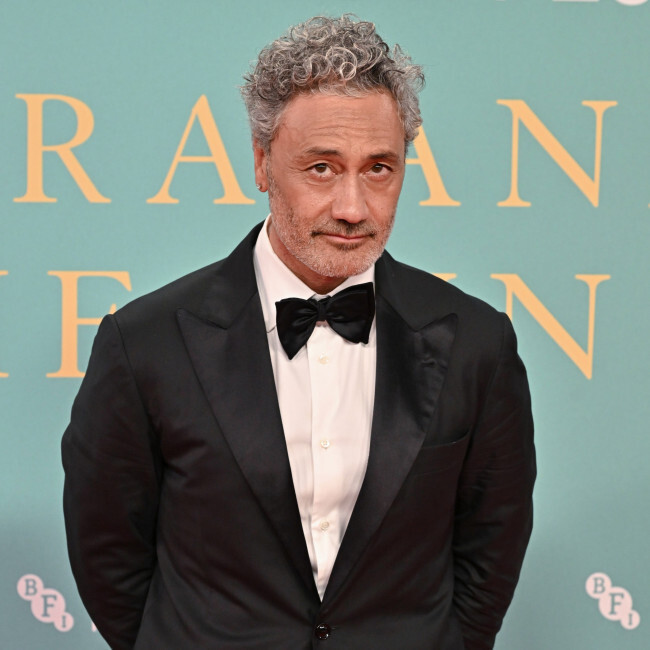
Taika Waititi’s adaptation of Kazuo Ishiguro’s novel landed in theaters on October 23, 2026 with a star‑studded cast that includes Jenna Ortega as an out‑of‑date android companion, Mia Tharia as the sick daughter Josie, and supporting turns from Natasha Lyonne, Steve Buscemi and Amy Adams. Despite the pedigree, the film opened to a dismal $550,000 across 880 screens, translating to a per‑screen average of just $625. That figure places Klara and the Sun at No. 248 on Box Office Mojo’s all‑time list of the lowest debut per‑screen averages, edging out 2022’s Medieval and 2025’s Silent Night, Deadly Night. It also shatters the record for the lowest debut per‑screen average for any Jenna Ortega‑led domestic release, beating the previous low set by Studio 666’s $668 average. The poor start is mirrored by the critics: the movie holds a 25% Rotten Tomatoes score, far below the 56% received by Studio 666. With a modest $20 million production budget but an estimated break‑even point near $50 million, analysts warn that Klara and the Sun may struggle to pull in more than $2.8 million total, cementing its status as a box‑office flop. Even Waititi’s own track record can’t rescue the numbers—his previous releases have opened with per‑screen averages ranging from $1,116 to $69,911. If the film follows the trajectory of Studio 666, it may become a cautionary tale about big‑name talent and poor critical reception colliding at the box office.
Taika Waititi dismisses Klara and the Sun critics as 'irrelevant' and 'out of touch'
Image via arcamax.com,

Taika Waititi calls Klara and the Sun’s critics ‘irrelevant’ – but audiences are cheering the director’s dramatic turn
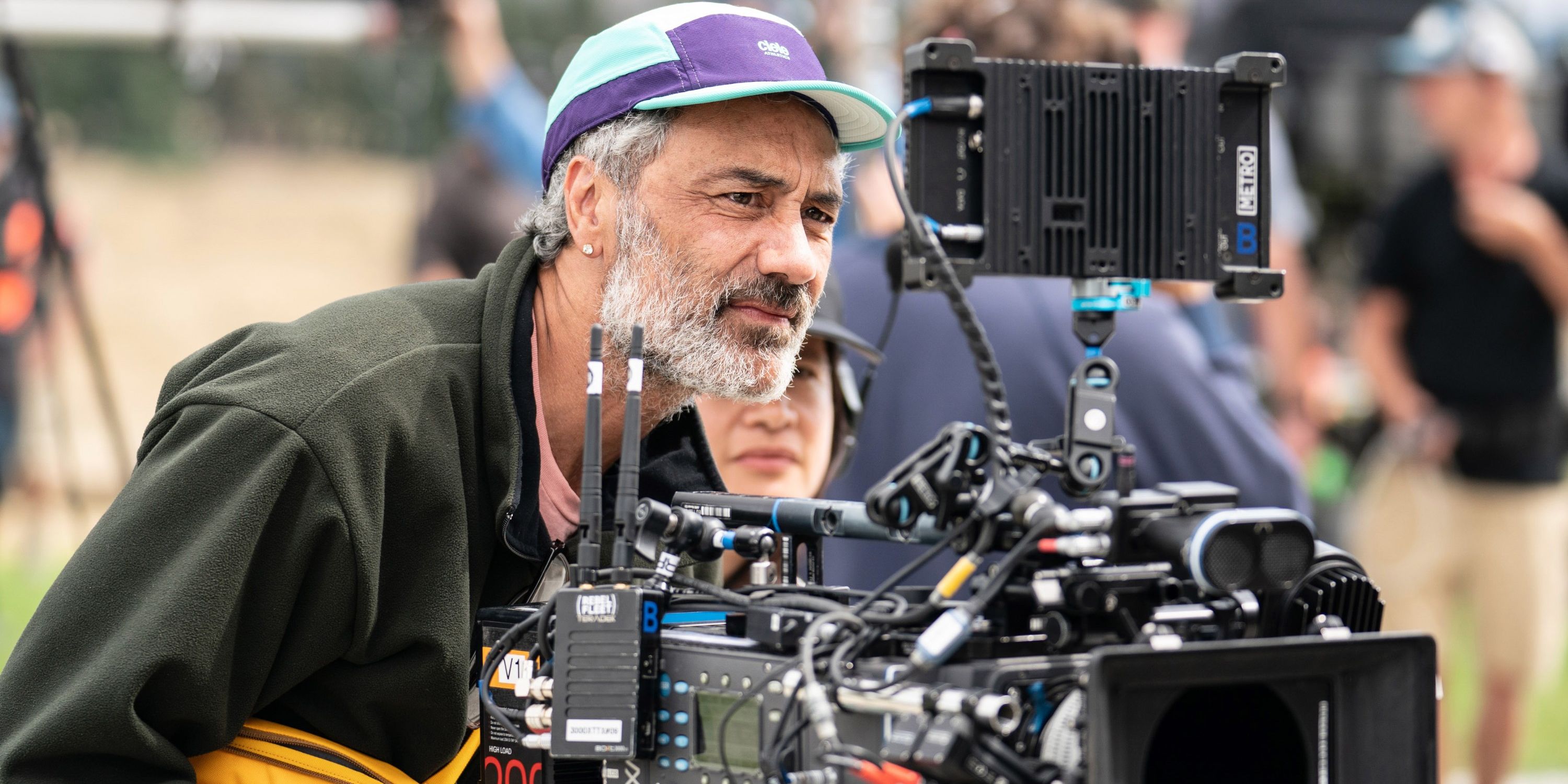
Taika Waititi’s latest effort, Klara and the Sun, has sparked a sharp divide. While the film sits at a meager 26% on Rotten Tomatoes’ critic score, the director proudly points to a 78% audience rating, posting the numbers on Instagram and declaring that he “listens to the people.” The New Zealand‑born filmmaker, best known for his comic chops, says the project is the “most dramatic” he’s ever tackled. He told SFX magazine that the story of Jenna Ortega’s android protagonist, trying to navigate human life, is “a deep meditation on the human condition,” far from the “fun romp with robots” many expect from the trailer. Ortega, who also stars alongside Amy Adams, proved to be a crucial ally on set. Waititi admitted he felt out of his depth and praised Ortega for constantly challenging his approach, noting that she “carried everything” and “saved my a*** in a lot of ways.” The director also received a “supportive nod” from novelist Kazuo Ishiguro, who gave him freedom to adapt the book as long as it stayed “somewhat faithful.” Filmed against New Zealand’s sweeping fields, the landscape plays a silent yet prominent role, echoing the novel’s setting. Production designer Ra Vincent pushed the visual style into a near‑future aesthetic, while Waititi emphasized that the wheat‑filled horizons are more than backdrop—they’re part of the film’s emotional texture.
Taika Waititi Goes Nuclear on Critics After Latest Film Sets Record Low on Rotten Tomatoes
Image via cbr.com,

Taika Waititi lashes out at critics after his lowest‑rated film scores a surprising 74% audience approval

Taika Waititi’s newest venture, Klara and the Sun, hit theaters on Oct. 23 and was instantly pummelled by reviewers, landing a dismal 26% on Rotten Tomatoes – the worst score of any of his films by a wide margin. The backlash didn’t stop there; the director took to Instagram to brand the dissenting voices as “sad lost souls” who are “out of touch” and “obsolete,” even recalling his own earlier critics of Jojo Rabbit. The outcry, however, revealed a stark split between critics and moviegoers. While the aggregator’s critic rating sank, audiences responded far more warmly, awarding the sci‑fi drama a solid 74% score. Waititi highlighted this disparity in his post, proudly showcasing the audience number as a badge of honor and a reminder that “the people” still love his work. Klara and the Sun, co‑written by Waititi and Dahvi Waller, adapts Kazuo Ishiguro’s 2021 novel and stars Jenna Ortega as the titular solar‑powered robot who befriends a seriously ill teen, played by Mia Tharia. The cast also includes Amy Adams, Natasha Lyonne and Steve Buscemi, adding star power to a film that, despite its critical reception, is resonating with fans and sparking a fresh debate about the relevance of traditional film criticism.
Taika Waititi’s Delusional ‘Klara and the Sun’ Instagram Post Exemplifies the Dangers of a Growing Divide Between Critics and Artists in the Digital Age
Image via indiewire.com,

Taika Waititi’s Instagram tirade over ‘Klara and the Sun’ exposes a widening rift between creators and critics

When the director of Jojo Rabbit posted a scathing Instagram grid about the reception of his latest film, Klara and the Sun, the internet took notice. Waititi highlighted a 53‑point gap between audience and critic scores on Rotten Tomatoes, mock‑calling reviewers “sad lost souls” who “couldn’t achieve their dreams of becoming artists.” The post, complete with emojis and a tongue‑in‑cheek jab at his own past work, quickly became a flashpoint for the debate over how social media amplifies artistic frustration. The backlash was swift. Within hours, Waititi edited the caption, stripping a line that read, “and another thing: I’m not mad. Please don’t put in the newspaper that I got mad.” The revised note still bristled, but the removal hinted at the pressure artists feel when their work is dissected in real time. Meanwhile, the film’s box‑office numbers told a sobering story: its second‑weekend earnings per screen fell below the average theater‑employee wage, underscoring the commercial sting behind the creative outburst. Critics and fans alike are now pointing to Waititi’s post as a symptom of a larger cultural split. In an era where directors can address audiences directly, the line between honest feedback and public spectacle blurs. As the debate rages, one thing is clear: the conversation around Klara and the Sun is less about the movie itself and more about how the digital age reshapes the relationship between art and its appraisal.