
Documentary
War
A window into systems of mass killing.
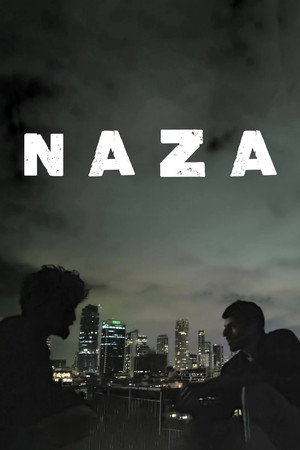
NAZA (2026)
Runtime
77 min
Release date
25/09/2026
Country
United States of America, United Kingdom
Production
 The Guardian
 JW Films
Placeholder Films
Unseen Hand
Overview
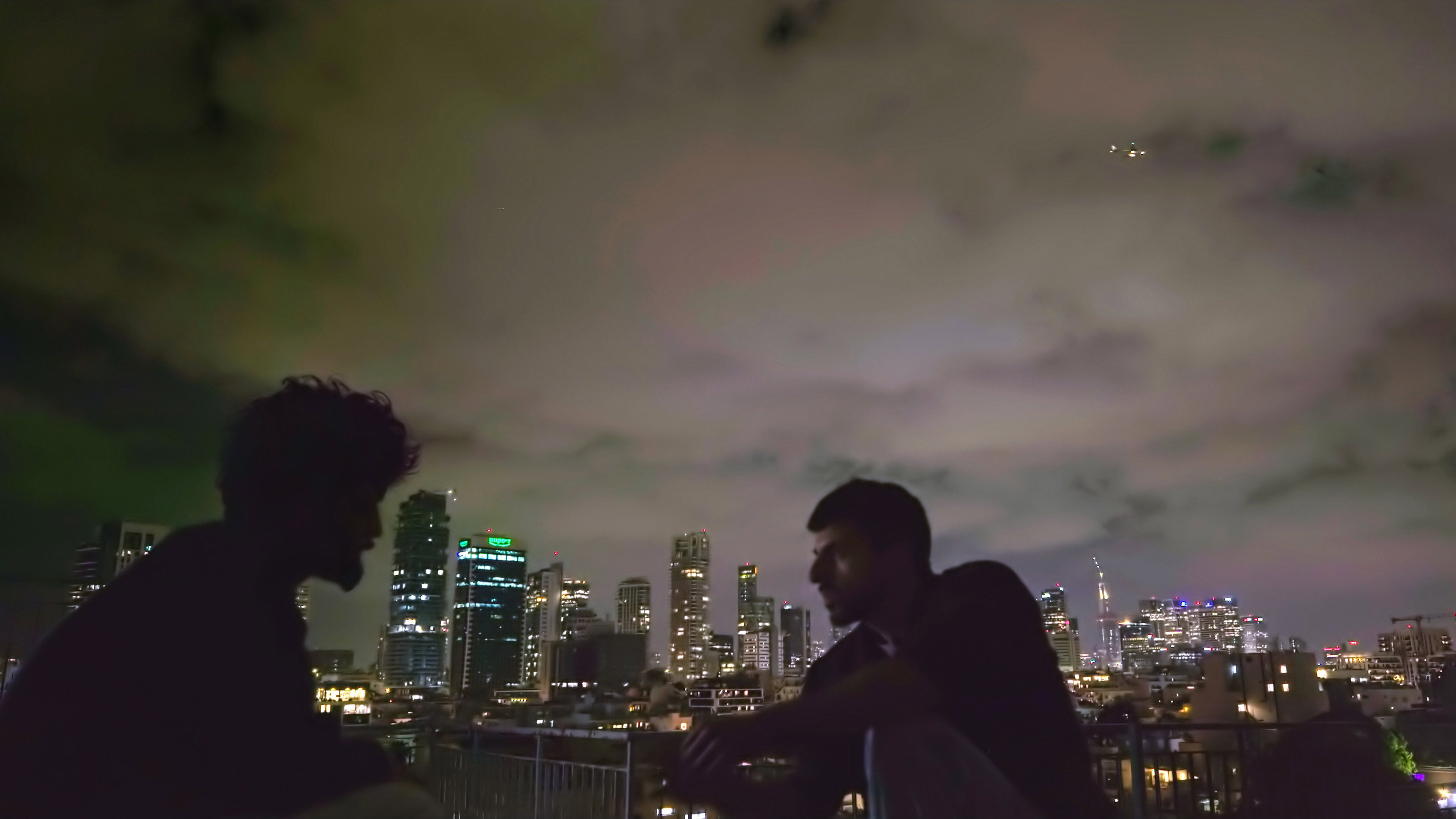
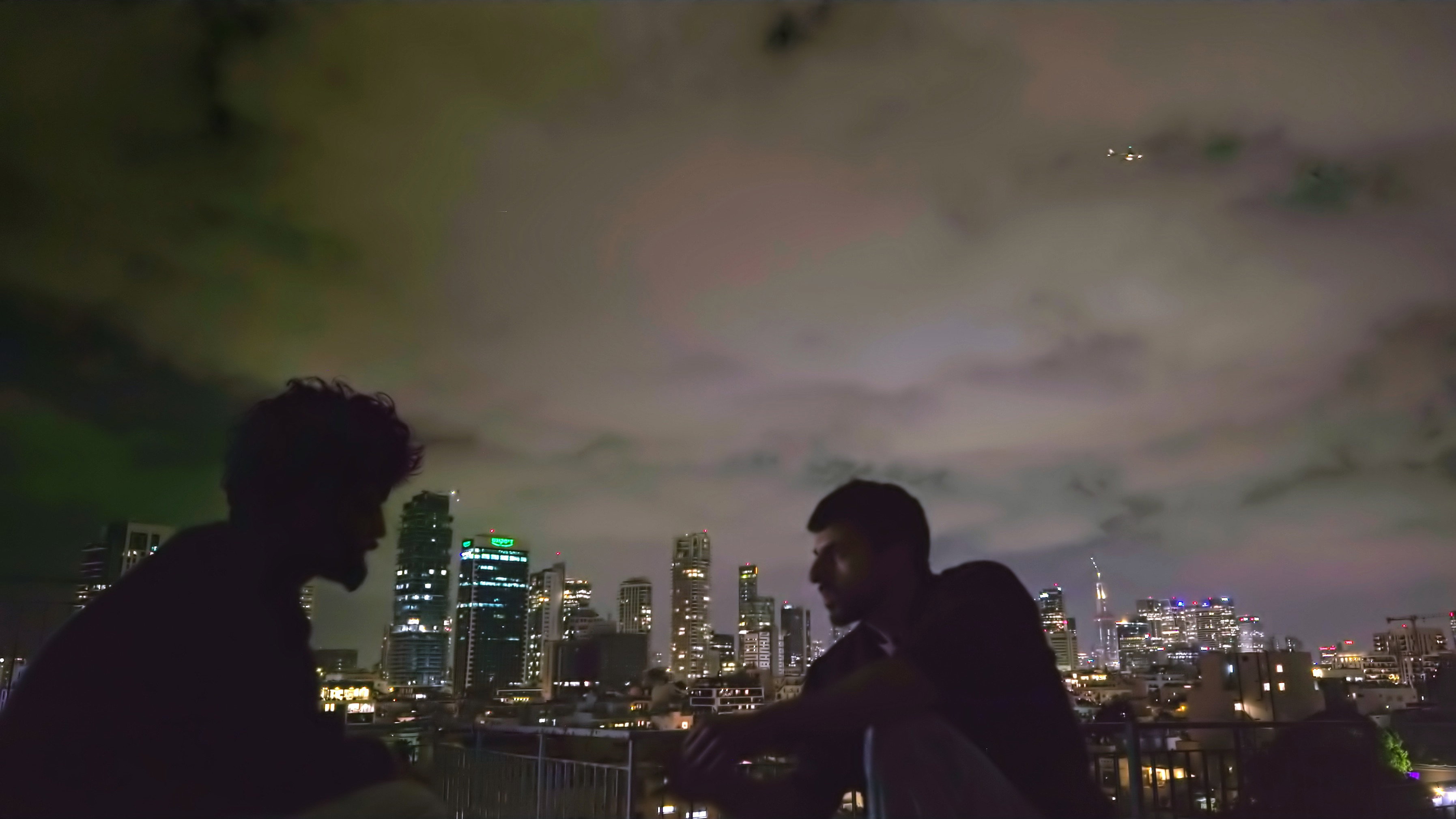
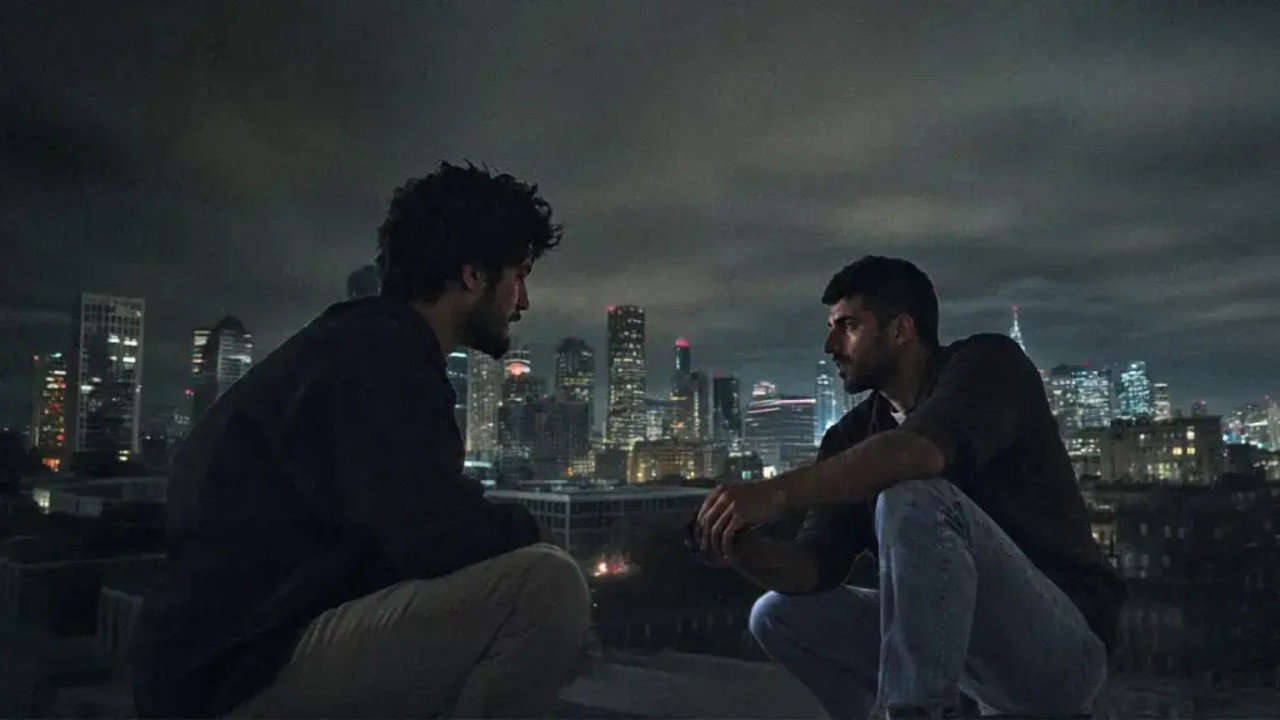
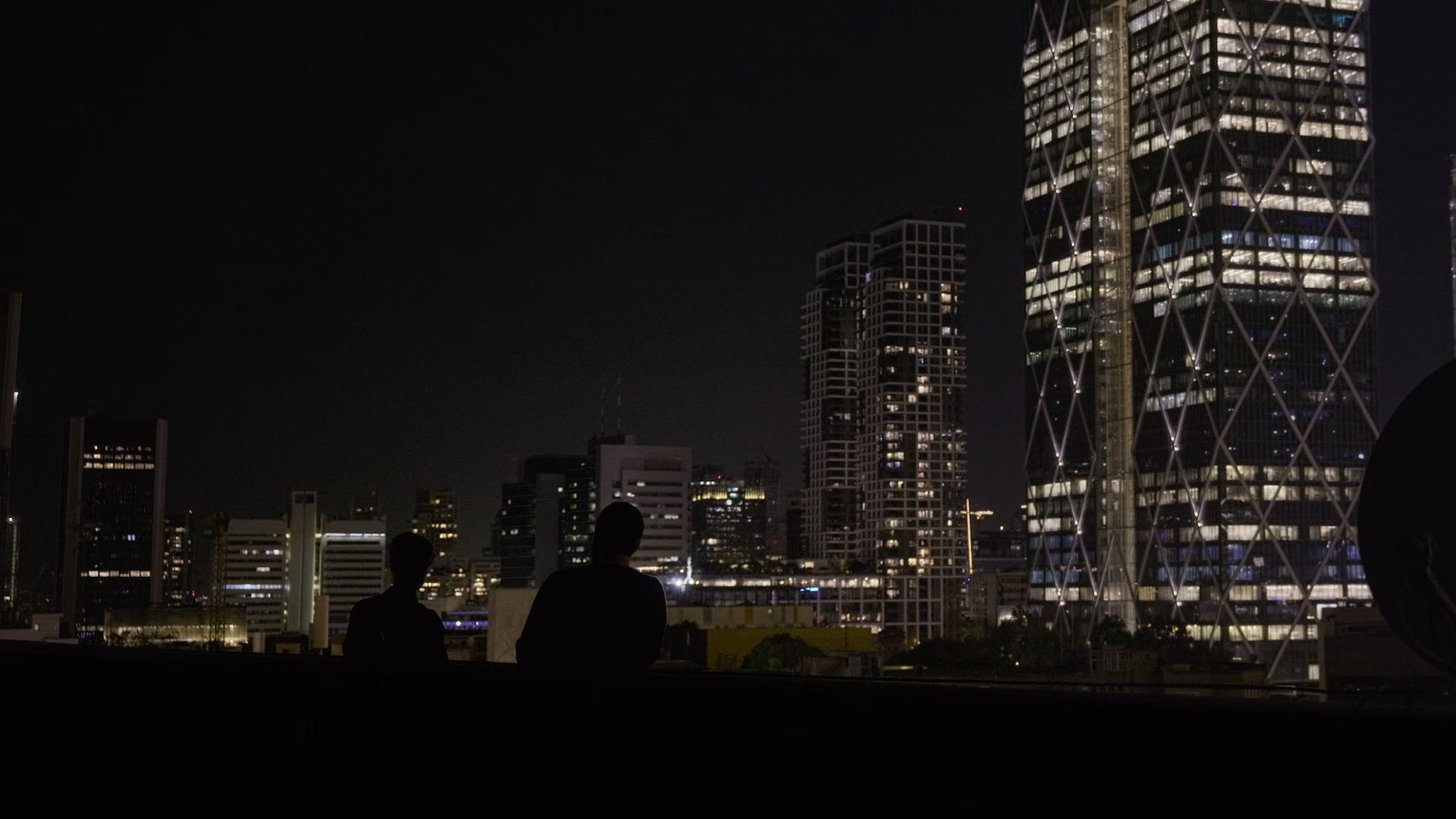
Filmed at night from Tel Aviv rooftops, this investigative documentary examines the civilian casualties of Israel's military operations in Gaza and the systems behind targeted killings of Palestinians.
Directors & Screenwriters

Yuval Abraham
Director

Rachel Szor
Director


Name:
Birthday:
Place of birth:
Birthday:
Place of birth:
Biography:
Acting:


Cast
Yuval Abraham
as
Self
Name:
Birthday:
Place of birth:
Birthday:
Place of birth:
Biography:
Acting:



All trailers
Documentary
War
NAZA
Exclusive Trailer [Subtitled]
Video: YouTube
Duration: 01:55
Duration: 01:55
Did You Know?
A new documentary on Gaza drives U.S. favorability for Israel to a historic low
The documentary NAZA—named after the Hebrew acronym for "collateral damage"—hit U.S. theaters in Austin, Chicago, Los Angeles and Seattle on Oct. 9 after a contentious debut in New York. Produced by The Guardian and distributed with help from independent studio mk2, the film claims to expose a calculated system that led Israel to kill Palestinian civilians in Gaza, drawing on anonymous interviews with 24 Israeli intelligence and military officials. Israel’s Defense Forces have dismissed the allegations as “absurd contradictions,” questioning the film’s sources and veracity.
A fresh poll from the Chicago Council on Global Affairs shows American favorability toward Israel sliding to a record‑low 44 on a 0‑100 scale—the lowest reading since the organization began tracking opinions in 1974. The drop spans the political spectrum: Democrats fell from 52 to 30, Republicans from 69 to 62, and independents from 56 to 41. For the first time, a majority of Americans (56%) say the U.S. should reduce or cut military aid to Israel, up from 38% a year ago.
Analysts link the shift to Israel’s war on Hamas, U.S. backing of that conflict, and the broader U.S.–Israeli stance toward Iran, noting that the once‑bipartisan consensus on Israel is now sharply divided. While the Israeli government and groups like the ADL warn that the film spreads incomplete or scapegoating narratives, the controversy surrounding NAZA is already shaping public debate and could influence upcoming midterm elections and future U.S. policy toward its long‑standing Middle‑East partner.

‘NAZA’ turns a hard‑hitting documentary into a box‑office buzz, sparking both applause and protest.
The self‑distributed documentary NAZA exploded onto the North American market this weekend, expanding to 85 screens across 30 cities after a New York debut at the IFC Center. Box‑office trackers project a four‑day haul of $378,250, pushing the film past the $500,000 mark and aiming for a $504,074 domestic total by Monday – an impressive per‑screen average of $4,450 for a first‑run documentary.
The film’s momentum follows a record‑setting Venice Film Festival premiere, where it earned a special jury prize and a standing ovation that stretched beyond 20 minutes. Backed by The Guardian and MK2 for its U.S. release, NAZA enjoys a flawless 100 percent critics rating on Rotten Tomatoes, with The Hollywood Reporter hailing it as a “sober and thoroughly documented bombshell of an exposé.”
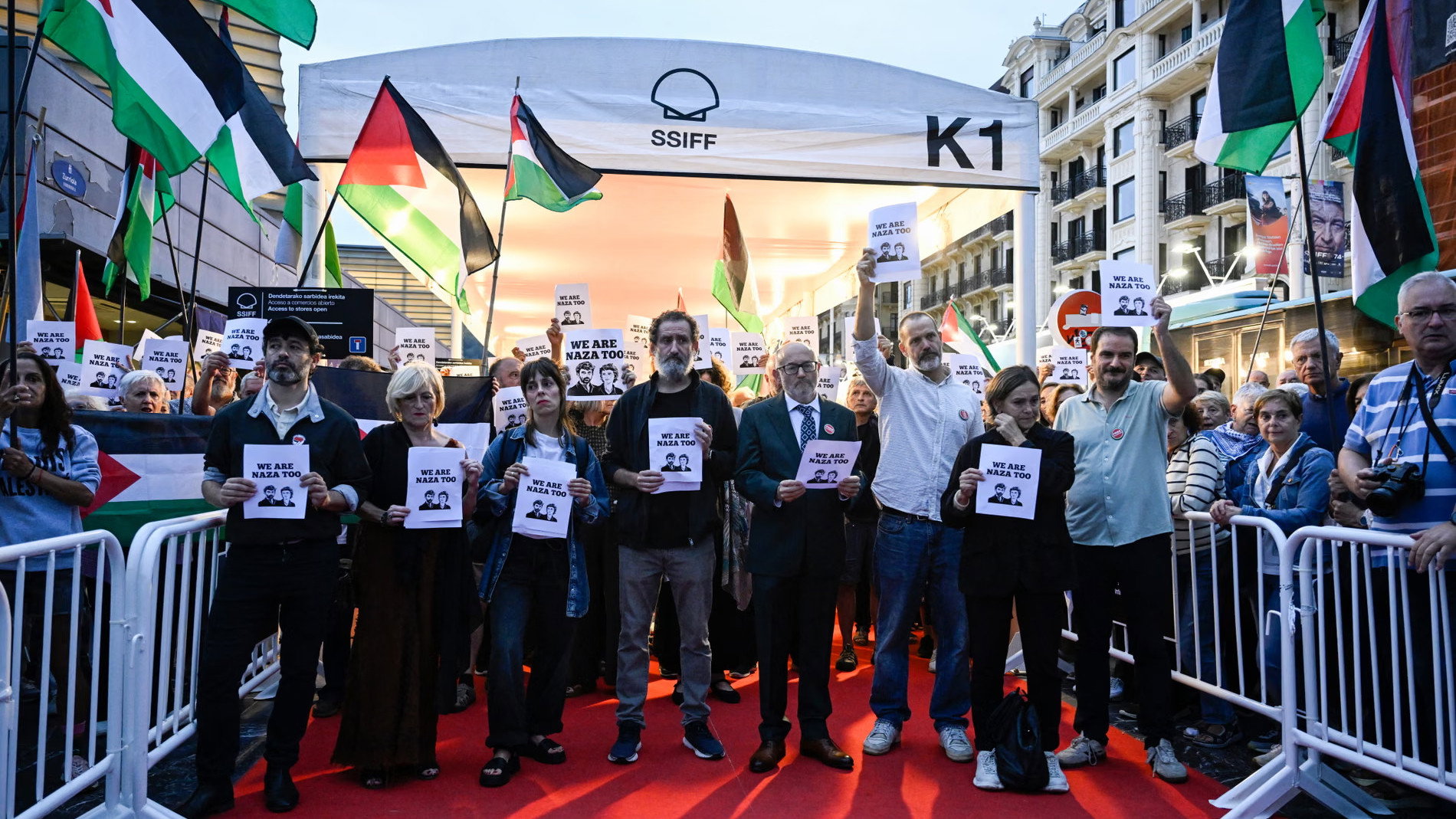
Not everyone is cheering. The Israeli‑American Council staged a protest outside the North Hollywood screening, and its chief operating officer warned that “wherever lies are told about Israel, we will show up with the truth.” The Israeli Defense Forces also condemned the film as a “distorted, misleading and disingenuous picture” of their operations, underscoring the documentary’s polarizing impact even as it draws crowds.
A documentary lets Israeli officers confess to Gaza’s bloodshed—without ever showing a single shot of the war.
At this year’s Philadelphia Film Festival, Israeli filmmakers Yuval Abraham and Rachel Szor push the boundaries of anti‑war cinema with their new documentary Naza. Rather than re‑creating the carnage that has dominated headlines for years, the film turns the camera toward the architects of that violence, inviting 24 intelligence officers and military personnel to recount their own roles in the Gaza conflict.
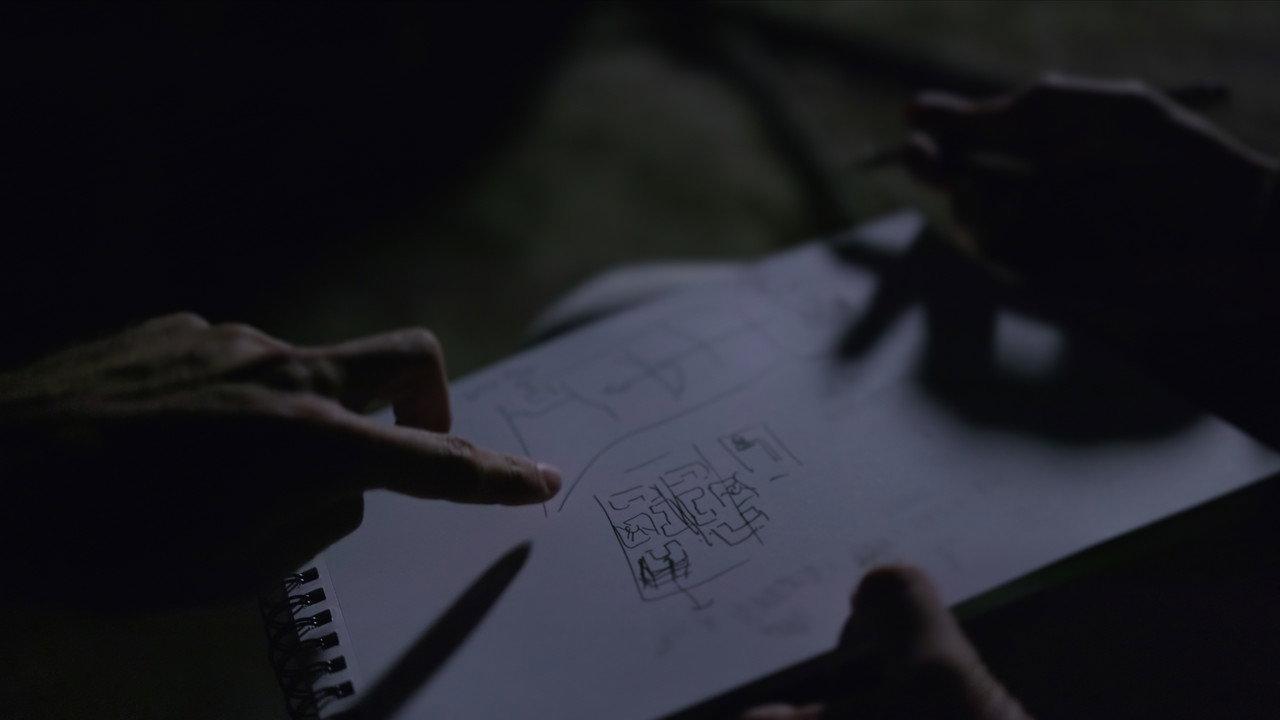
The testimonies are filmed on dimly lit rooftops, keeping the speakers anonymous while the city of Tel Aviv rolls behind them in high‑rise apartments, often glued to state‑run propaganda on their screens. A brief, almost reverent shot of a cinematheque screening Claude Lanzmann’s Shoah underscores the weight of oral history, even as the directors let the perpetrators speak unfiltered.
What makes Naza unsettling is the stark honesty that emerges: officers describe “intentional killings,” “mass murder,” and even admit to creating “mass graves.” When asked if they consider their actions genocide, one replies, “Yes. Completely.” The film forces viewers to grapple with the paradox of giving a platform to those who perpetuate atrocity—does anonymity shield them from accountability, or does it lay bare a systemic machinery of violence?
By refusing graphic battle scenes and instead foregrounding confession, Naza joins a festival lineup that asks how cinema can argue against oppression without becoming a spectacle itself. It challenges the audience to consider whether hearing the perpetrators’ own words can shift the narrative that has long been dominated by images, and what responsibility filmmakers bear in shaping that discourse.