

Drama
Possible Love (2026)
Runtime
165 min
Release date
23/09/2026
Country
South Korea, United States of America
Production
 Pinehouse Film
 NOWFILM
 Anonymous Content
Overview
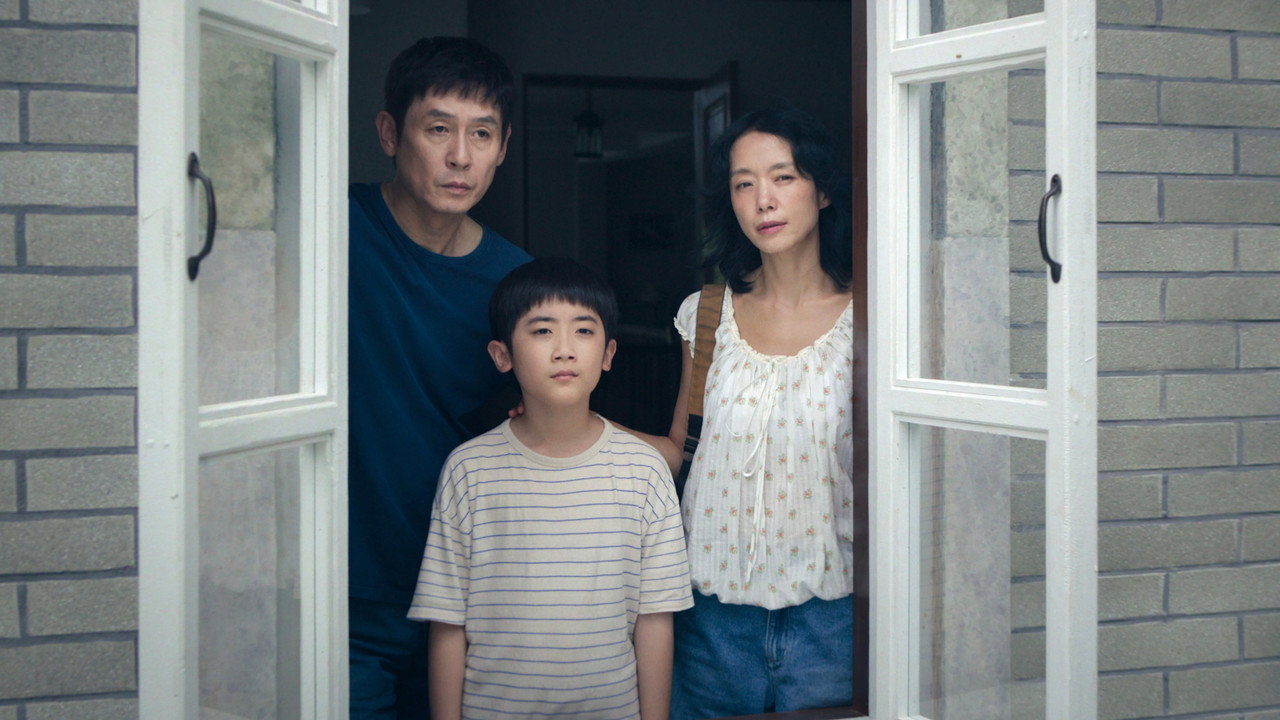
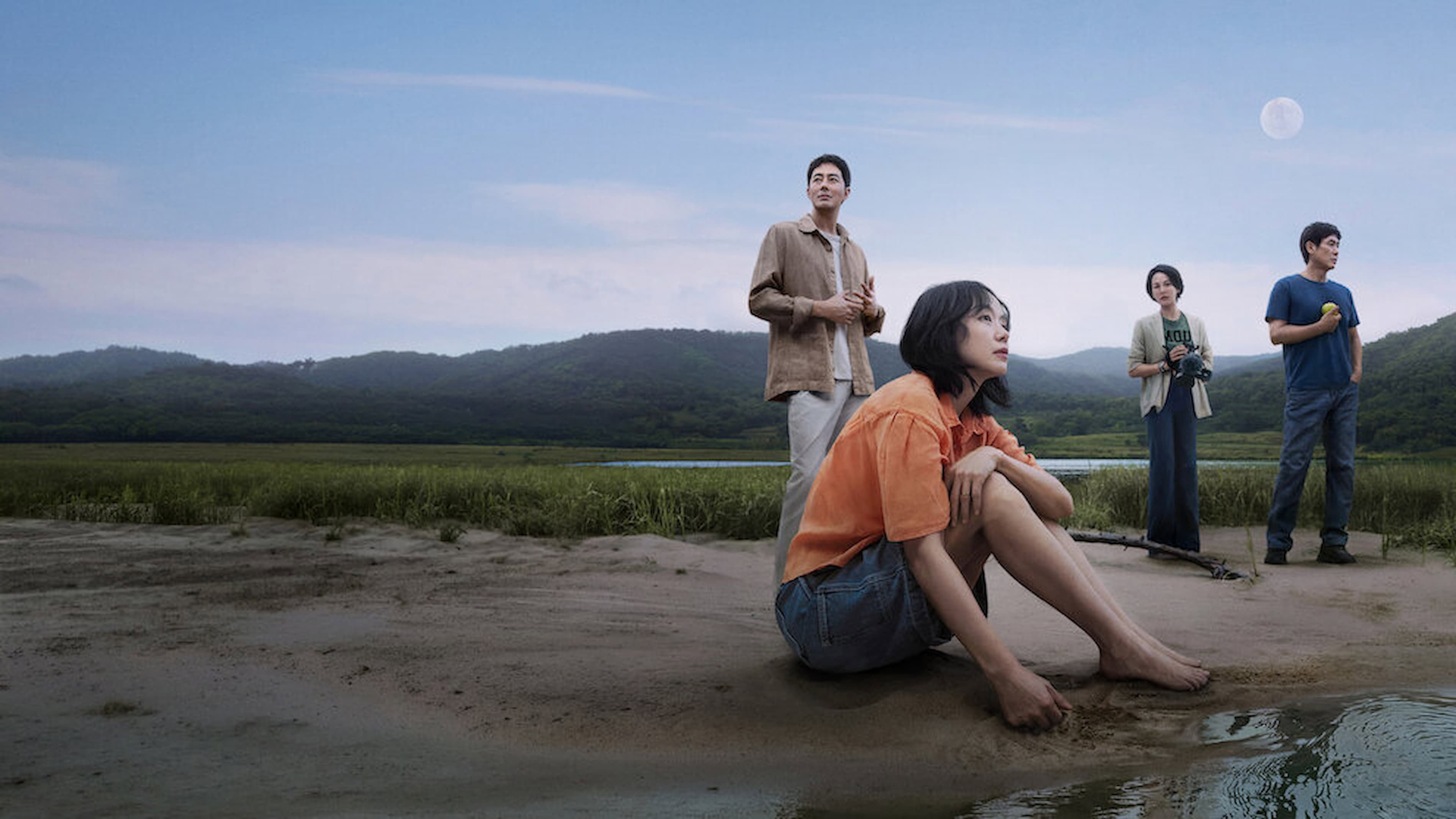
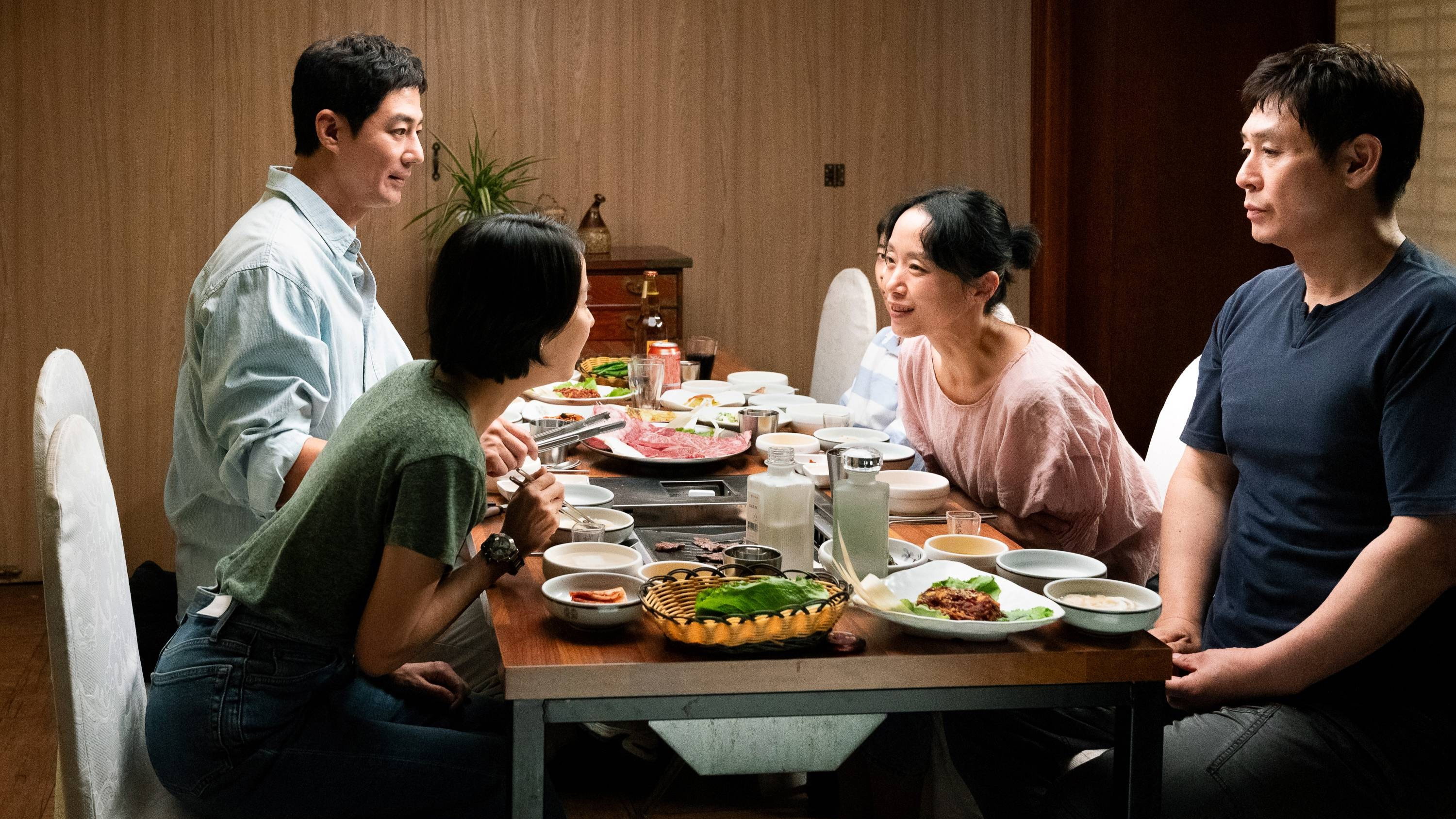
A laid-off worker and his wife cross paths with a documentary filmmaker and her spouse and confront their hidden desires.
Directors & Screenwriters

Lee Chang-dong
Director


Name:
Birthday:
Place of birth:
Birthday:
Place of birth:
Biography:
Acting:


Cast

Jeon Do-yeon
as
Mi-ok

Sul Kyung-gu
as
Ho-seok

Zo In-sung
as
Sang-woo

Cho Yeo-jeong
as
Ye-ji

Jo Yuri
as
Young Mi-ok
Choi Min
as
Young Ho-seok

Jeong Seop
as
Cheol
Kang Chang-gwon
as
Min-sik
Jeon Woon-jong
as
Jeong-dae
Lee Ju-hwan
as
Director of Photography
Lee Hye-rin
as
Producer
Lee Ji-yoon
as
Assistant director

Kim Hak-sun
as
Mi-ok's factory owner

Yoon Ga-hyun
as
Mi-ok's factory owner's wife

Lee Han-byeol
as
Mi-ok's factory owner's daughter

Eom Ok-ran
as
Mi-ok's factory Busan woman

Jeon Hyun-suk
as
Mi-ok's factory Chungcheong woman

Ahn Do-kyung
as
Counselor
Park Sang-hun
as
Laid-off worker in therapy 1

Kim Geun-bae
as
Laid-off worker in therapy 2
Park Joon-sun
as
Laid-off worker in therapy 3

Lee Il-jin
as
Laid-off worker in therapy's wife 1

Kim Ha-rang
as
Laid-off worker in therapy's wife 2

Kim So-wan
as
Jeong-seon

Kim Chae-yeong
as
Ha-young

Jeong Jae-geun
as
Dae-seok

Do Hyun-seo
as
Hyun-woo

Rayun
as
Funeral guest woman 1
Lee Hye-rim
as
Funeral guest woman 2

Jang Sun
as
Funeral guest woman 3

Kang Gil-woo
as
Funeral guest man 1
Jung Seung-pil
as
Funeral guest man 2

Ku Tae-il
as
Funeral guest man 3
Son Joo-hwan
as
Laid-off workers Rep
Shin Ga-ye
as
Striker's wife
Han Dong-ju
as
Striker 1
Goo Min-hyeok
as
Striker 2
Shin Dong-jun
as
Striker 3

Shin Jun-chul
as
Striker 4
Hong Hyeon-taek
as
Striker 5
Lee Ha-rim
as
Ho-seok's factory owner
Lee Jin-guk
as
Ho-seok's factory manager
Park Nam-jun
as
Jury chair

Oh Ji-hye
as
Jury 1

Pang Eun-jin
as
Jury 2
Hwang Hyun-gyu
as
Jury 3
Song Keun-chang
as
Jury 4

Baek Jong-seung
as
SP Heavy Industries employee

Jeon Su-ji
as
SP Heavy Industries employee's wife
Jin Ru-a
as
SP Heavy Industries employee's daughter

Kim Mi-hyang
as
SP Heavy Industries employee's mother
Na Ho-won
as
Neighbor man

Ahn Young-mi
as
Neighbor woman
Park So-eun
as
Mi-ok (kid)
Kim Hye-ri
as
Mi-ok's mother
Park Jun-ha
as
Dong-min

Lee Mi-ra
as
Dong-min's wife

Woo Jeong-won
as
Worker's family 1
Hwang Gyeong
as
Worker's family 2
Kim Tae-yoon
as
Worker's family 3
Han Sun-woo
as
Worker's family 4
Jang Deok-ju
as
Worker's family 5
Lee Do-jin
as
Worker's family 6

Lee Seo-won
as
Bakery owner
Im Da-ye
as
Bakery employee
Park So-hye
as
Sewing factory manager
Lee Jun-young
as
Cultural foundation employee 1
Kim Yoon-jin
as
Cultural foundation employee 2
Oh Hye-jin
as
Cultural foundation employee 3
Im Chae-geon
as
Italy restaurant staff
Yi Choong-yun
as
Korean-Chinese woman
Seo Tae-beom
as
Ho-seok's factory worker 1
Oh Seung-cheol
as
Ho-seok's factory worker 2
Oh Dae-hyun
as
Ho-seok's factory worker 3
Choi Se-young
as
Welder
Kim Young-cheol
as
Welder
Abraha Mehret Ephrem
as
Mi-ok's factory foreign worker
Su Pyae Sone
as
Mi-ok's factory foreign worker
Gurpreet Kaur
as
Mi-ok's factory foreign worker
Sinha Aradhya
as
Mi-ok's factory foreign worker
Kumarawany Benitha
as
Mi-ok's factory foreign worker
Name:
Birthday:
Place of birth:
Birthday:
Place of birth:
Biography:
Acting:





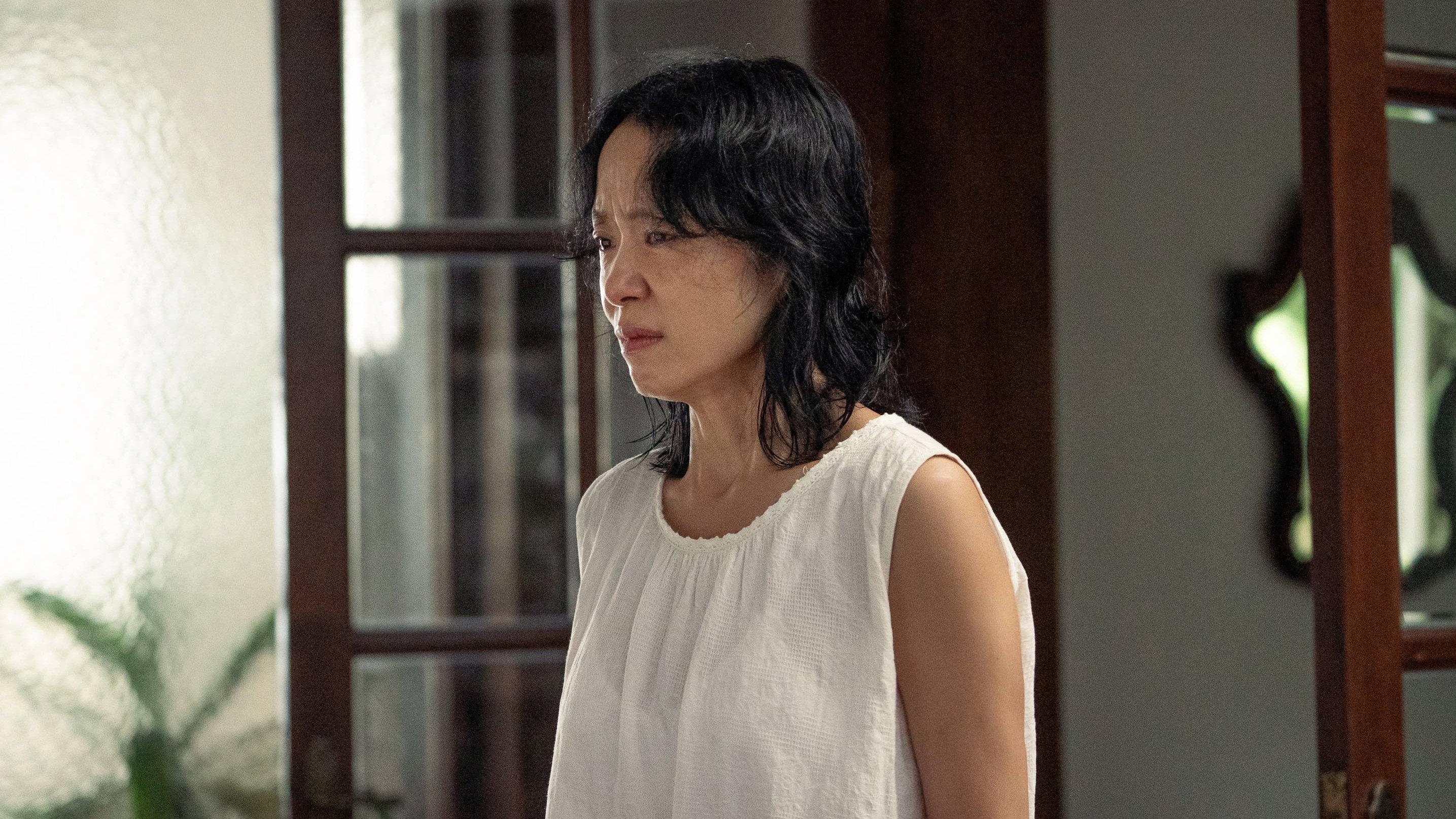
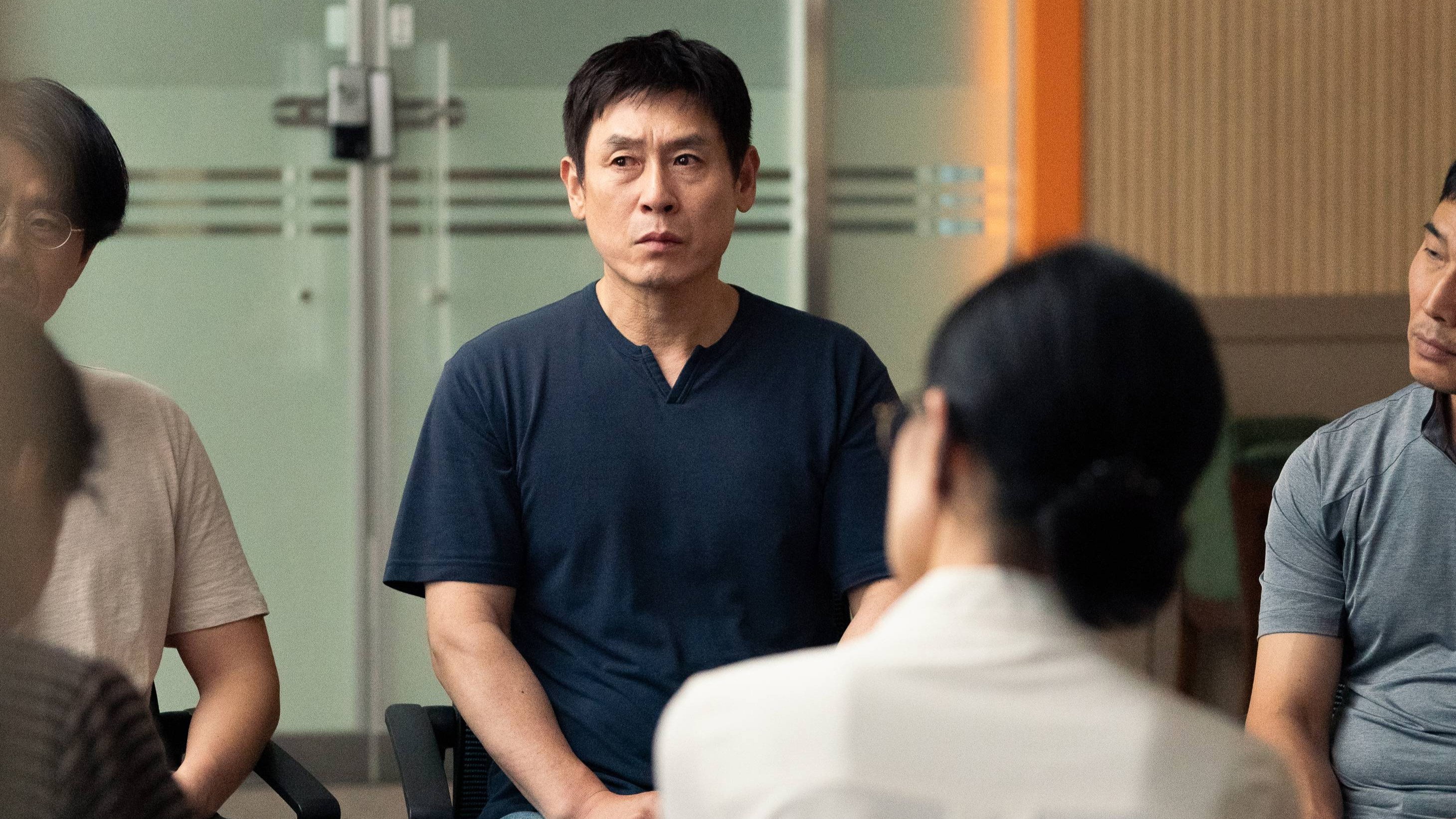






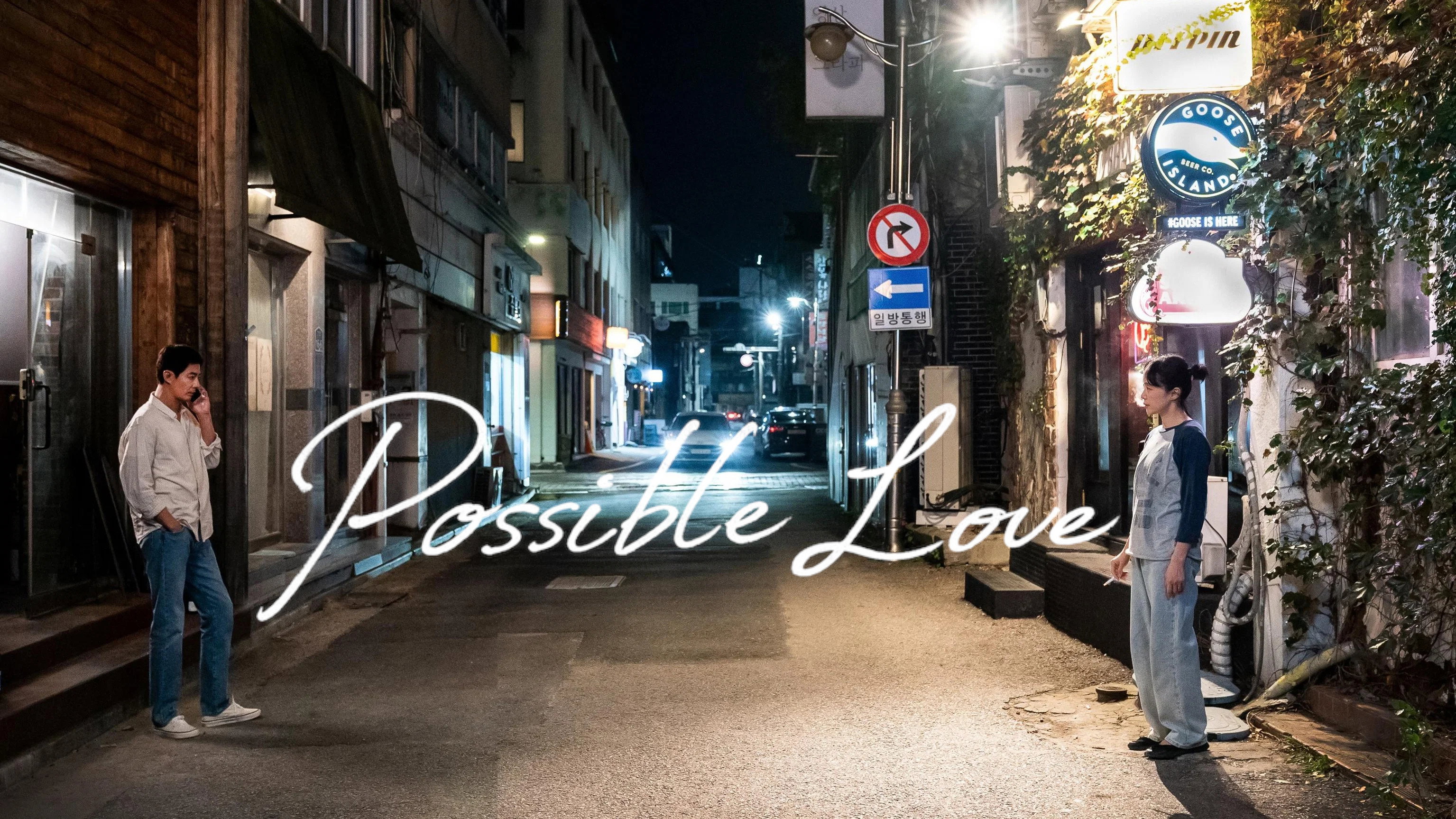
All trailers
Drama
Possible Love
Official Trailer [Subtitled]
Video: YouTube
Duration: 02:04
Duration: 02:04
Did You Know?
Lee Chang‑dong’s ‘Possible Love’ snags Venice’s Grand Jury Prize with a quietly powerful family drama
South Korean auteur Lee Chang‑dong captured the Grand Jury Prize at Venice for his expansive, novelistic film *Possible Love*. The story follows a blue‑collar family still reeling from a recent factory strike, whose routine life is upended when a wealthy, artistic couple arrives to film a documentary about them.
Rather than delivering a sharp satire that condemns the richer couple’s motives, Lee opts for a measured, almost languid approach. The film’s subtlety lets the audience settle into its unhurried rhythm, revealing the uneasy power dynamics and emotional undercurrents that develop between the two families.
Critics note that once viewers acclimate to Lee’s “non‑committal drift,” the narrative becomes strangely addictive, drawing you deeper into the quiet tension of exploitation and intimacy. It’s a modest, middle‑weight entry compared to the festival’s more overtly arthouse fare, yet its restrained storytelling has resonated strongly enough to earn top jury recognition.
*Possible Love* demonstrates how a seemingly simple premise—an ordinary family thrust into the spotlight of documentary filmmaking—can unfold into a compelling meditation on class, ambition, and the quiet ways lives intersect.
Lee Chang‑dong returns after eight years to dramatize a real‑life Korean labor tragedy.
On a chilly October afternoon in Gunsan, veteran director Lee Chang‑dong—clad in jeans, a baseball cap and a puffer coat—wandered a half‑deserted manufacturing plant that had been transformed into a sprawling protest encampment. The set, complete with green tents bearing slogans like “Firings are murder!” and “Let my dad get back to work!”, recreates the 2009 SsangYong Motor layoff crisis that saw 2,600 workers evicted, barricaded on a factory roof, and met with police batons and helicopters. Lee, who once taught himself novel‑like pacing, uses this real‑world confrontation as the backbone of “Possible Love.”
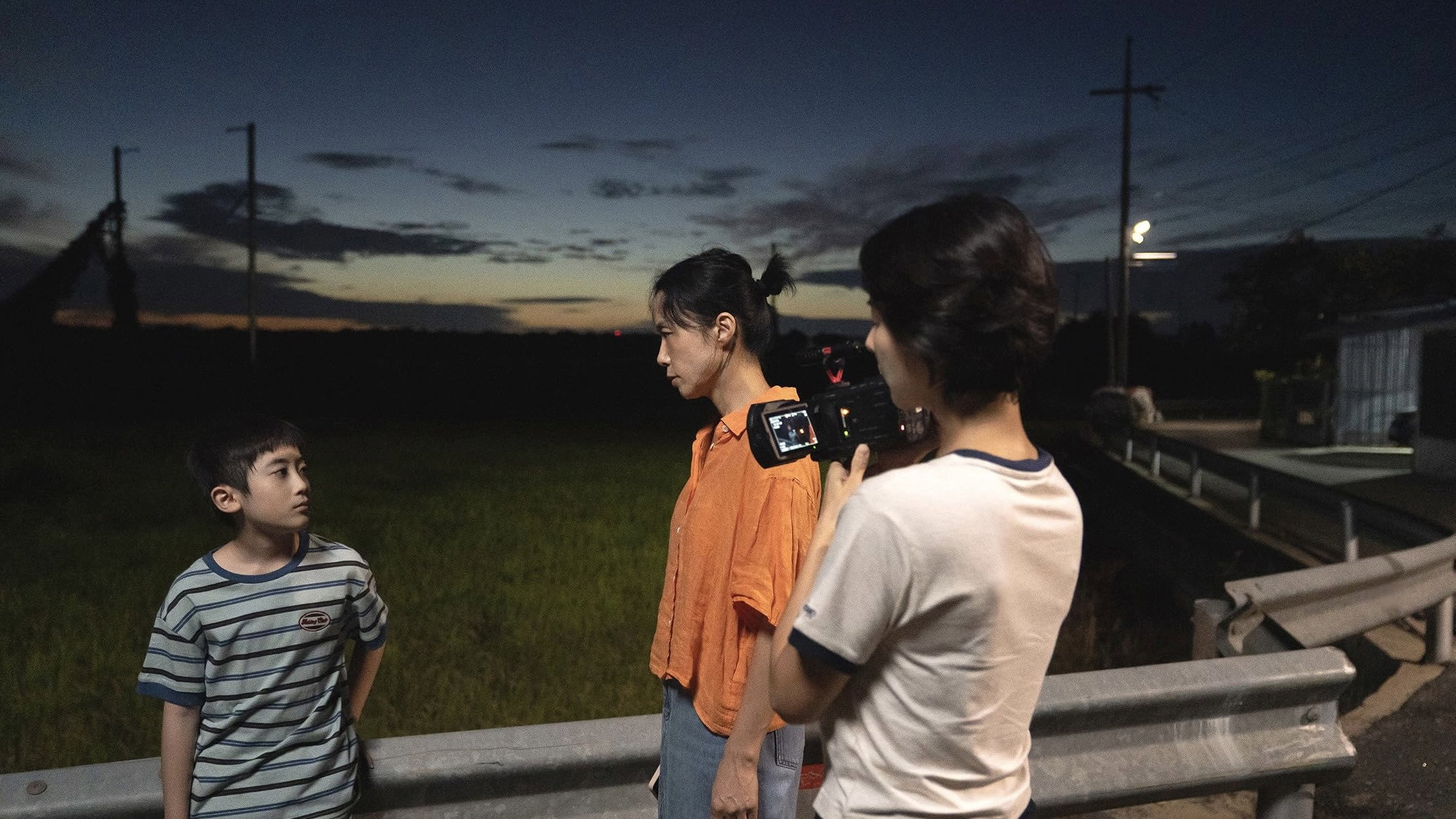
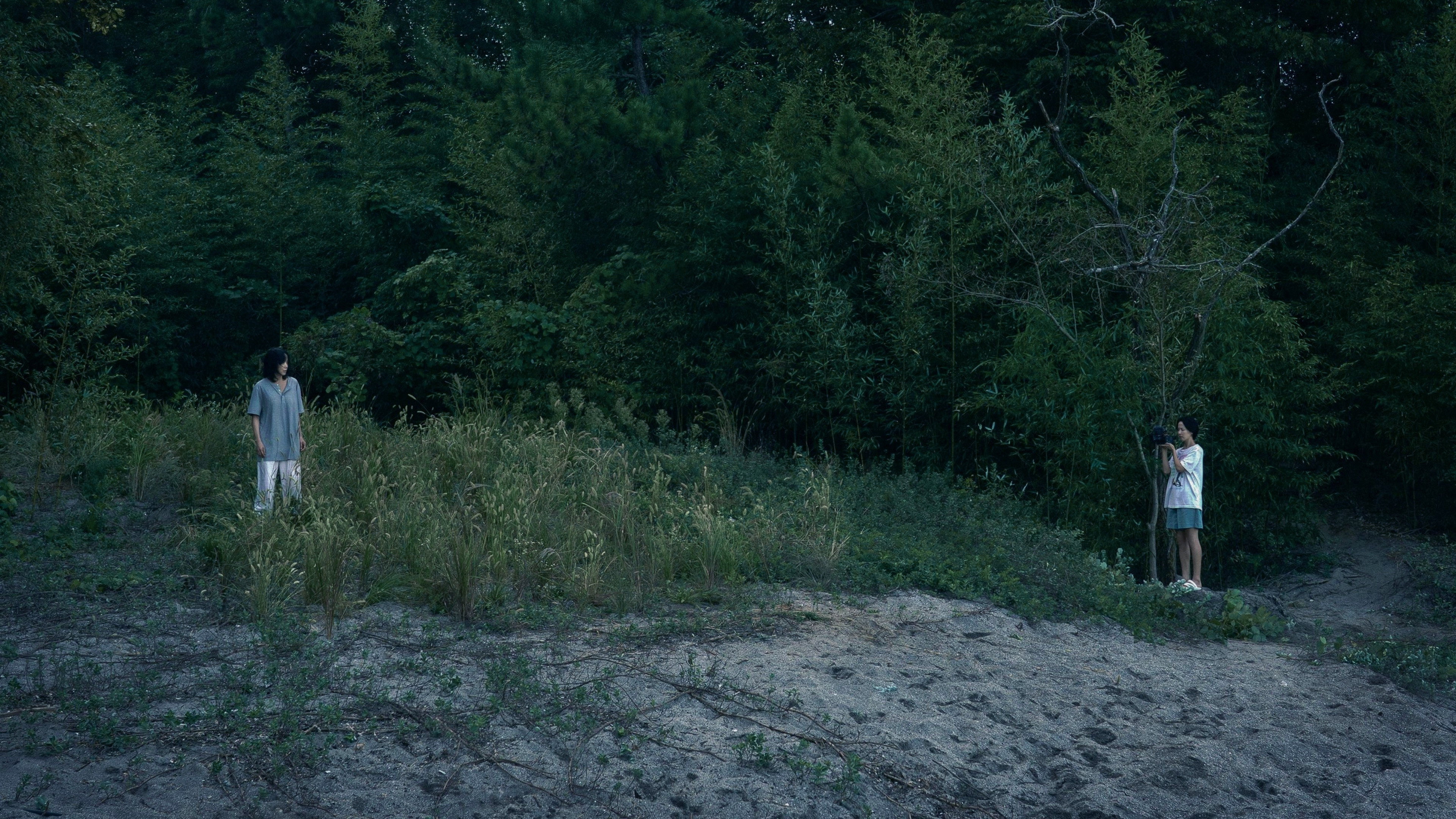
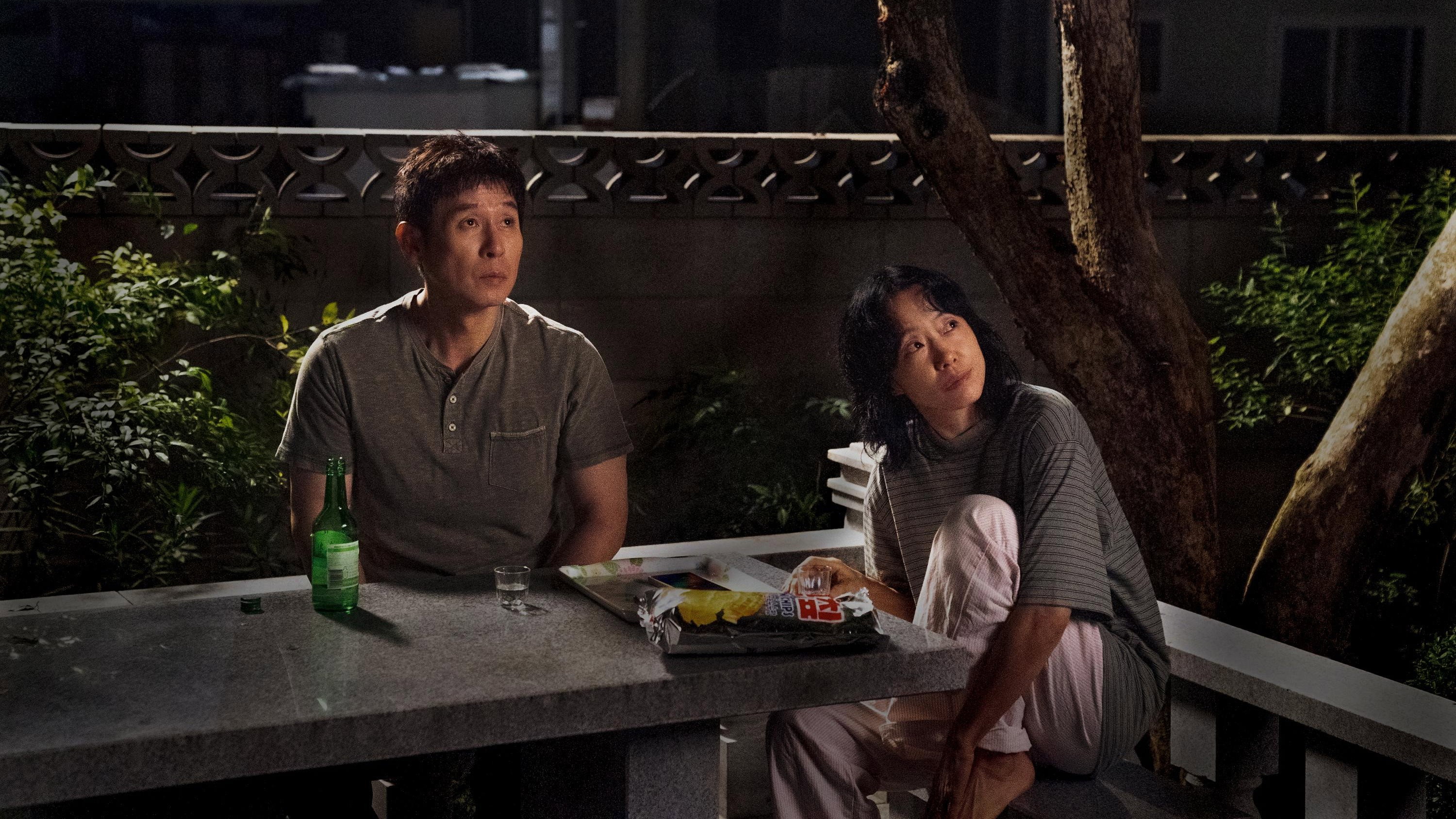
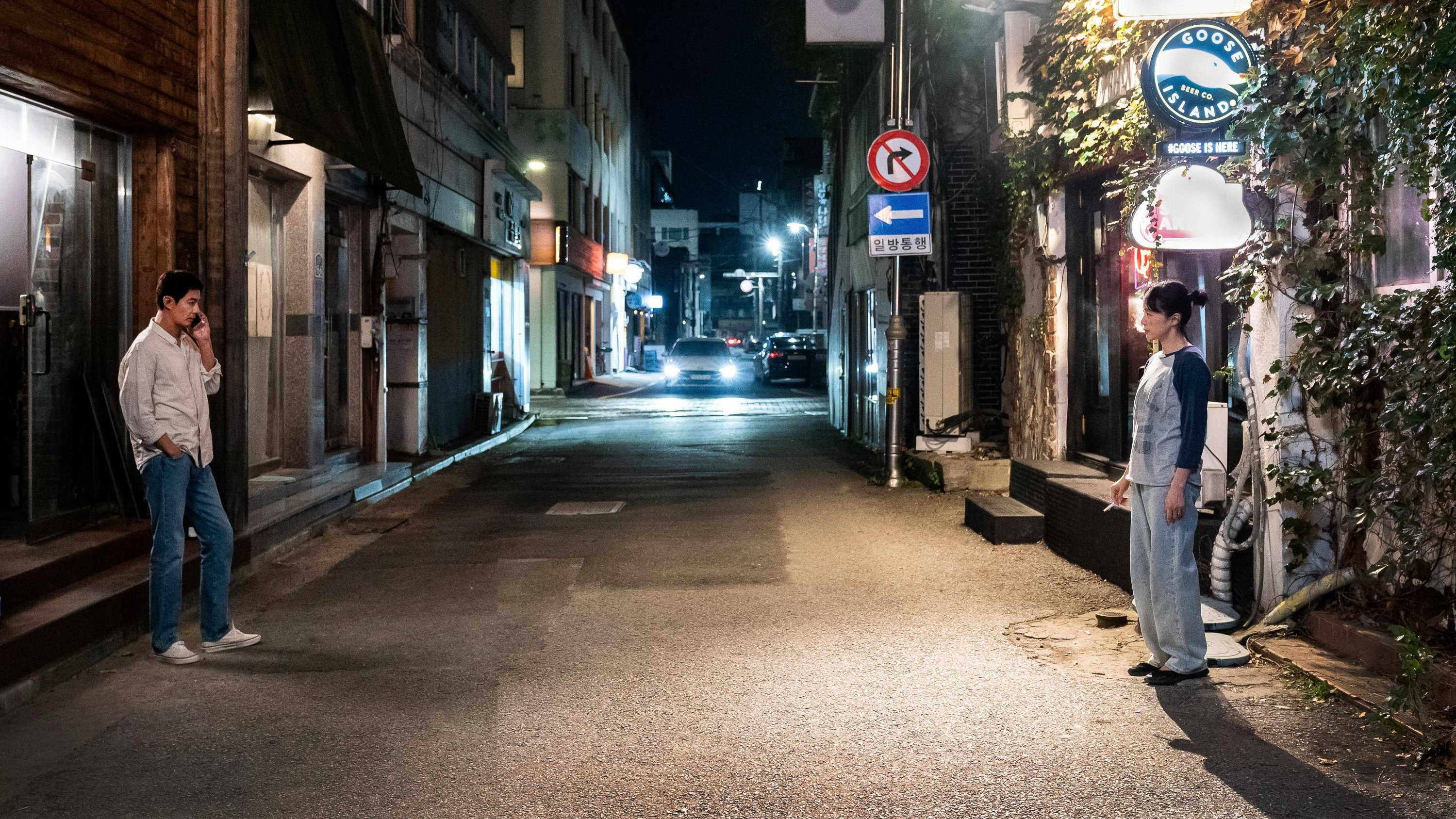
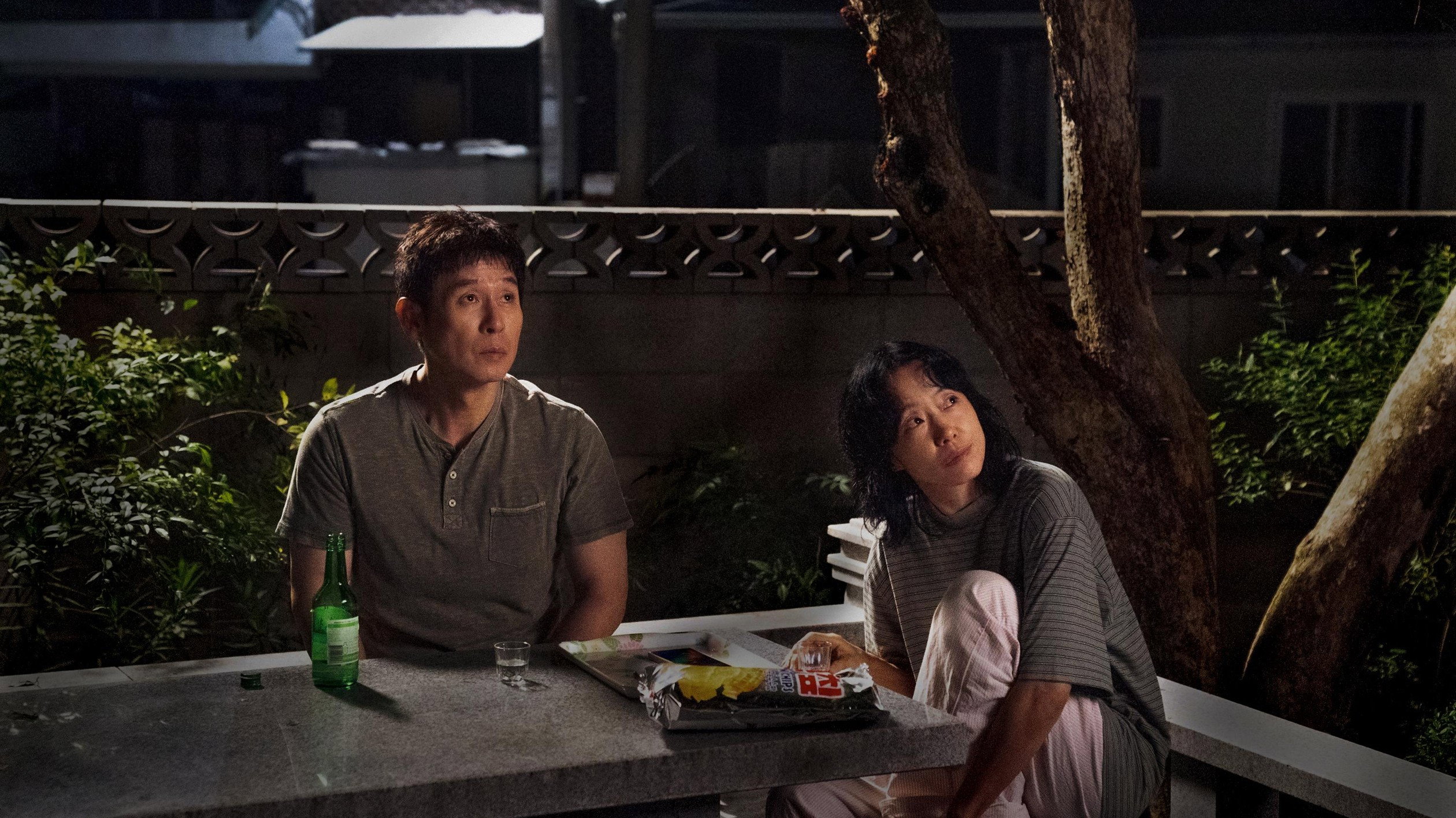
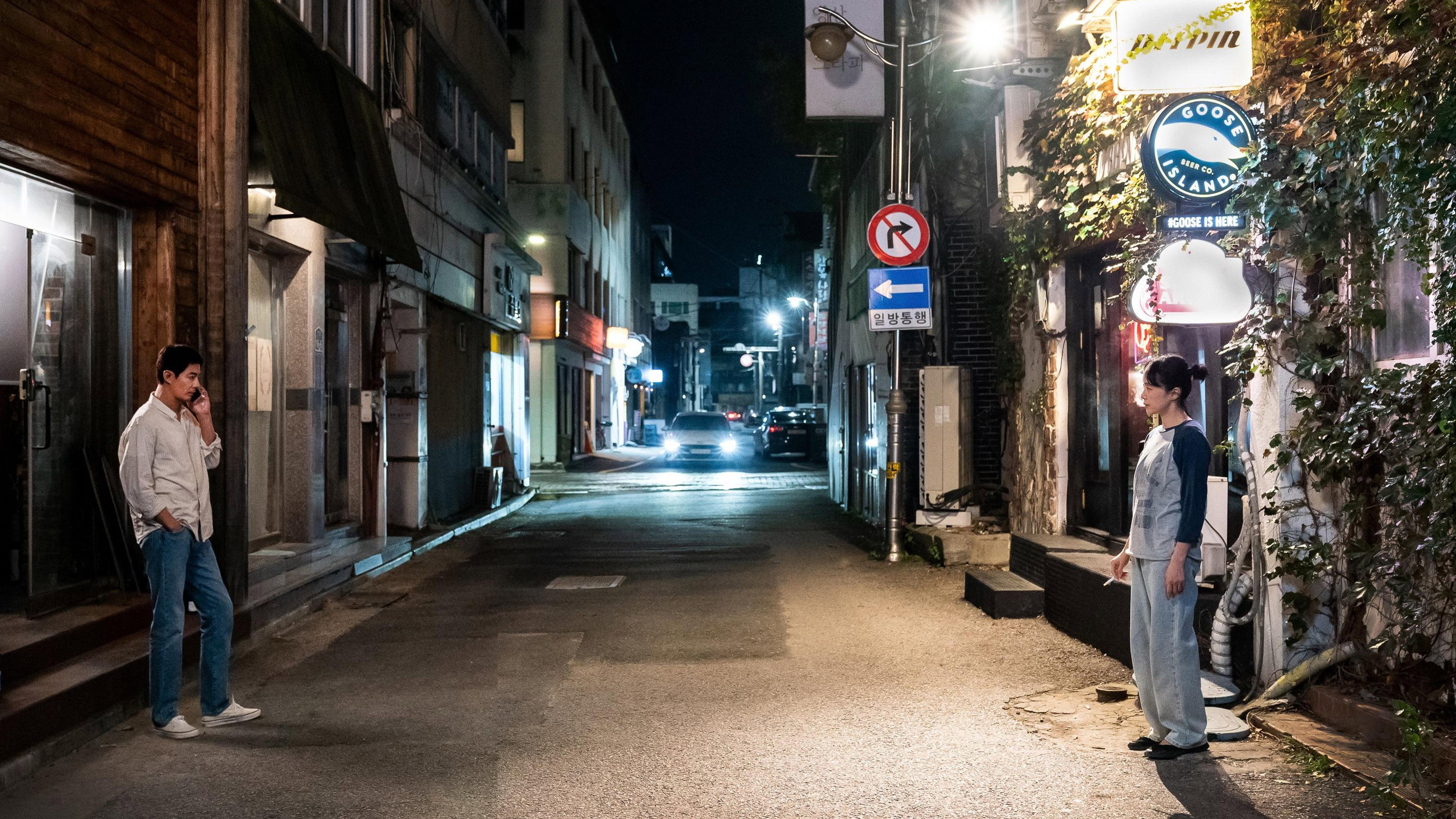
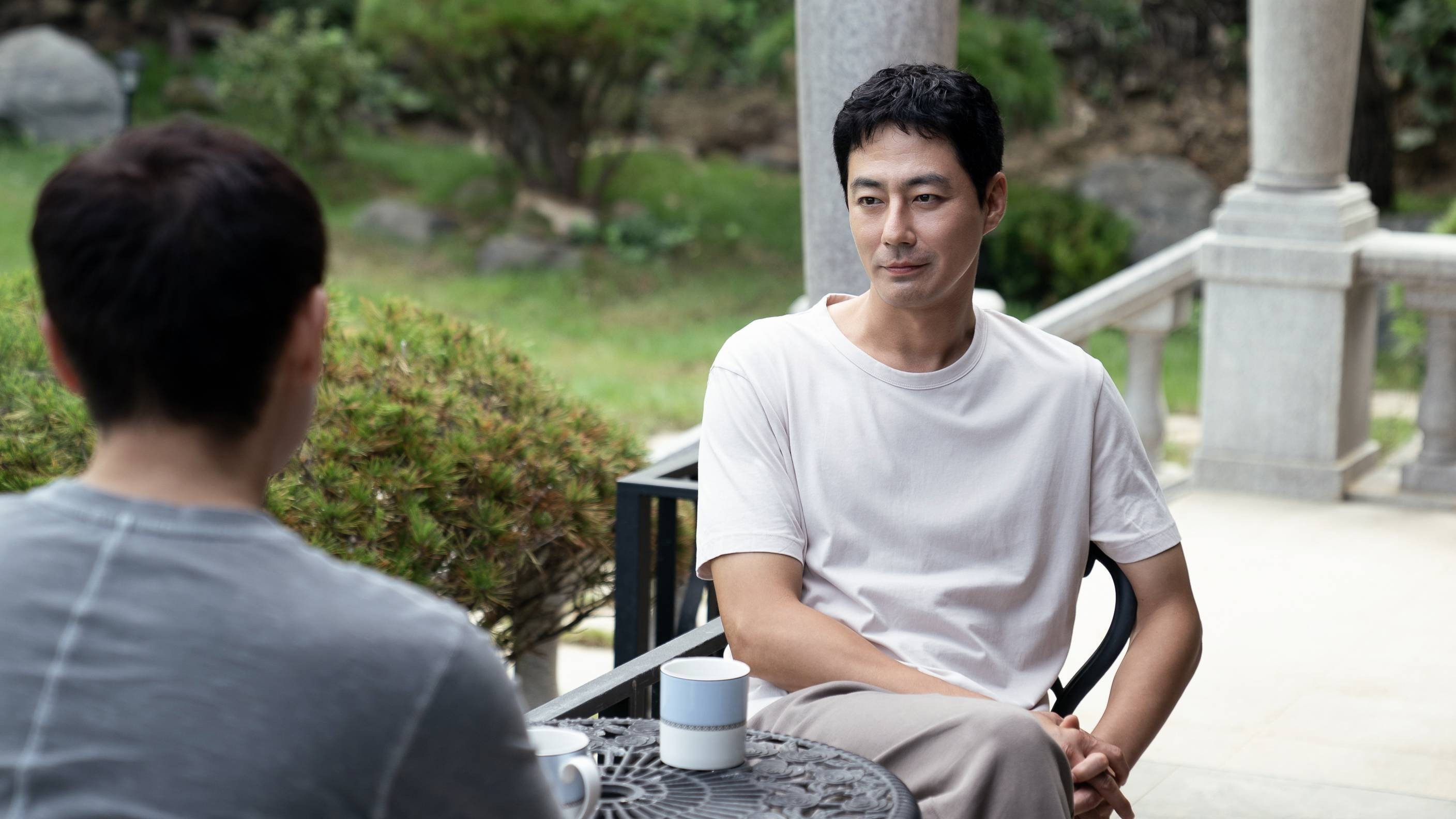
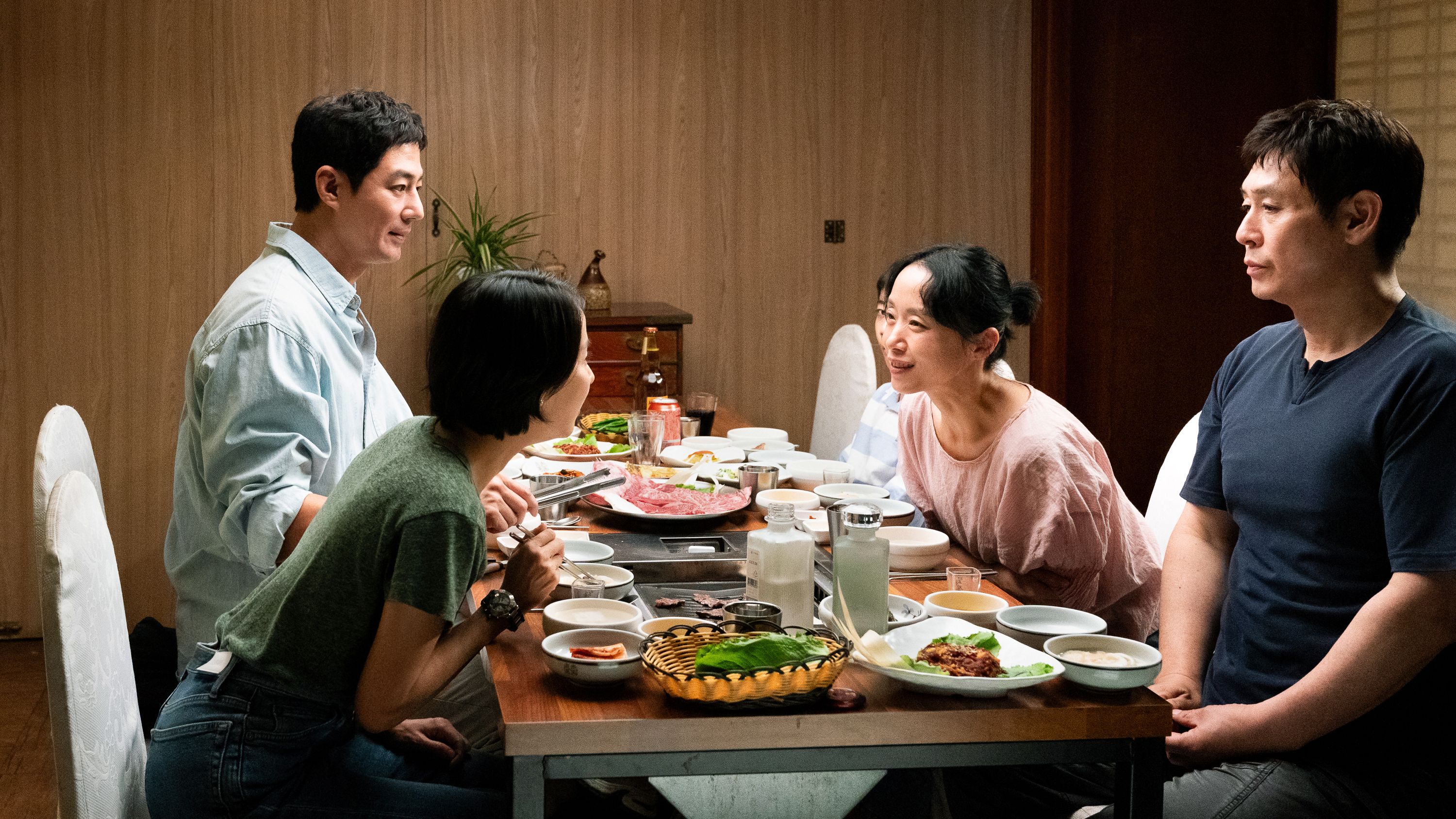
The film’s core follows two intertwined couples: former welder Ho‑seok (Sul Kyung‑gu) and his restless wife Mi‑ok (Jeon Do‑yeon), who raise a ten‑year‑old son named Cheol, and filmmaker Ye‑ji (Cho Yeo‑jeong) documenting the strike alongside her affluent husband Sang‑woo (Zo In‑sung). An early funeral scene—where a grieving mother hears her husband’s last words as he walks out the door—sets a bleak tone, while the title’s “possible love” hovers over a narrative of scarred relationships, lingering debt, and a community that still labels the fired as “dead.”
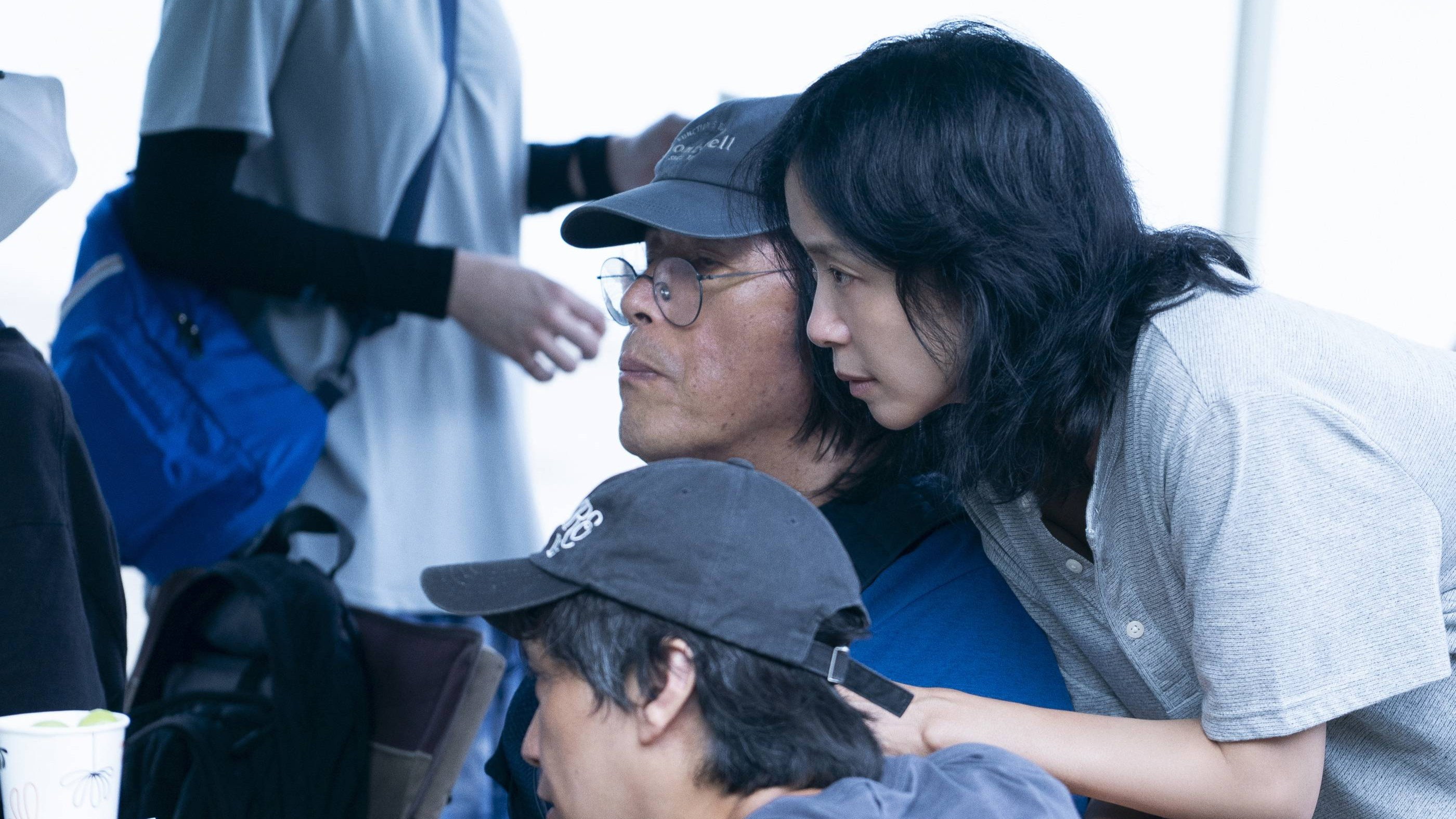
Production-wise, Lee built a simulated encampment on the ghostly grounds of the former General Motors Korea plant, inspecting props with his art director before retreating to a tent to monitor the shoot. The cast worked without trailers—a common Korean industry shortcut, as head producer Yoon Seo‑young explained—while Lee coordinated closely with cinematographer Kim Ji‑yong to capture the raw, wind‑blown atmosphere. This return marks his first feature in eight years, following the Cannes‑lauded “Burning,” and underscores his reputation for blending political consciousness with a literary, genre‑defying approach that stands apart from the more commercial Korean New Wave.
Lee Chang‑dong’s ‘Possible Love’ reads like a novel you can’t put down—if you’re willing to sit with its slow‑burn, class‑tangled maze.
Lee Chang‑dong’s first feature since 2018’s Burning feels more like a literary work than a conventional movie. Its deliberate pacing lets ideas and characters grow together, rewarding viewers with layers that only untangle in the final act. The film’s novelistic quality invites endless post‑screen discussions, as every viewer may walk away with a different interpretation.
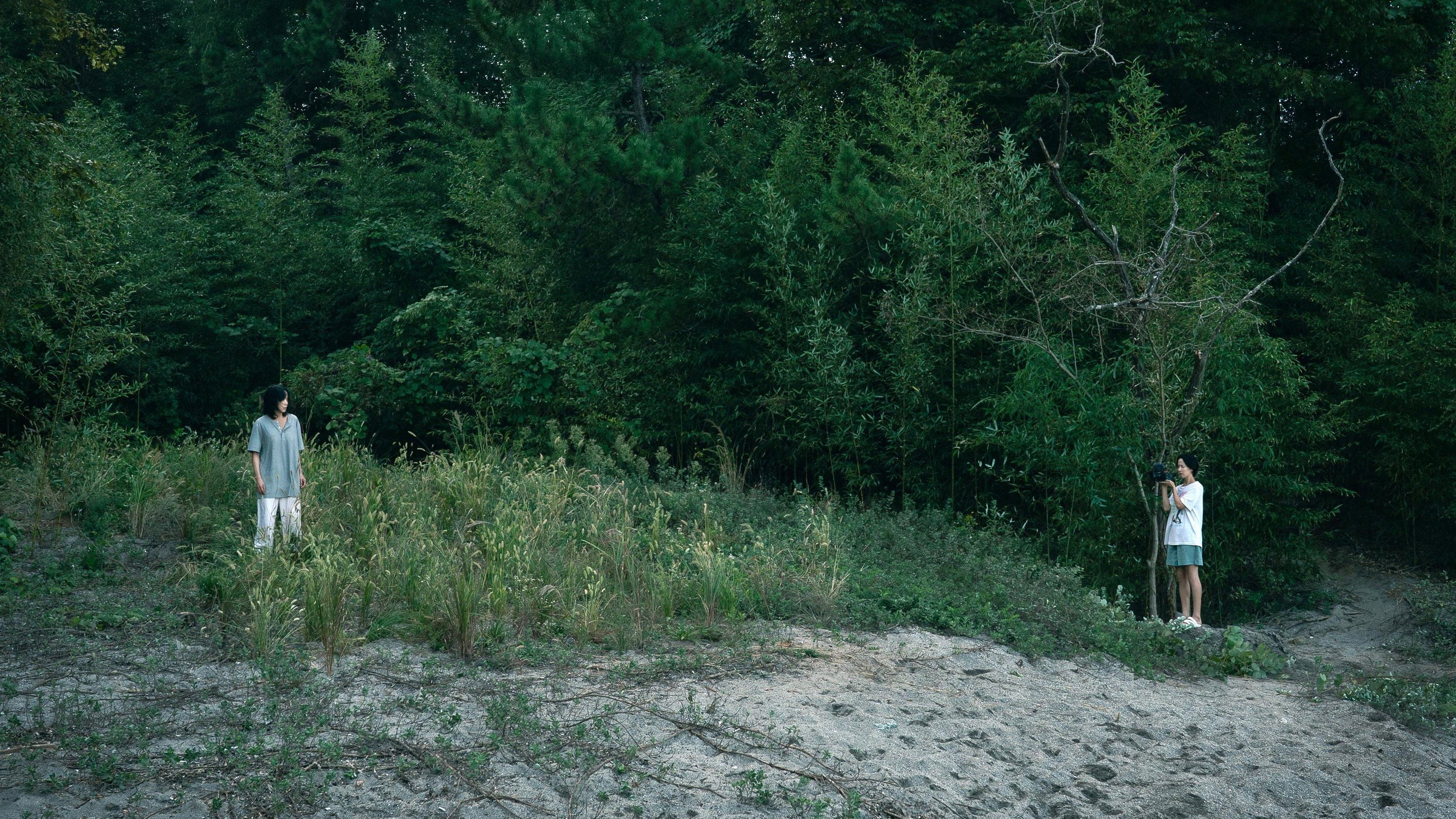
The story follows two couples from opposite social strata whose lives collide after a funeral for a former SP Heavy Industries worker. Ho‑seok (Sul Kyung‑gu) and his wife Mi‑ok (Jeon Do‑yeon) are grieving a colleague’s suicide while Mi‑ok agrees to be interviewed by documentary filmmaker Ye‑ji (Cho Yeo‑jeong). Ye‑ji drags her affluent husband Sang‑woo (Zo In‑sung) into the mix, hoping to coax Ho‑seok out of his silence. As the uneasy alliance deepens, the film probes how class, trauma, and manipulation intertwine.
The quartet delivers a standout ensemble, with subtle, nuanced performances that are amplified by meticulous costuming, set design, and precise camerawork. Lee treats the Mi‑ok/Ye‑ji dynamic like a gemstone, rotating it to reveal new facets of perception and power. Each scene slides into the next with minimal overt drama, yet every new detail sharpens the picture, revealing the intricate web binding the four protagonists.
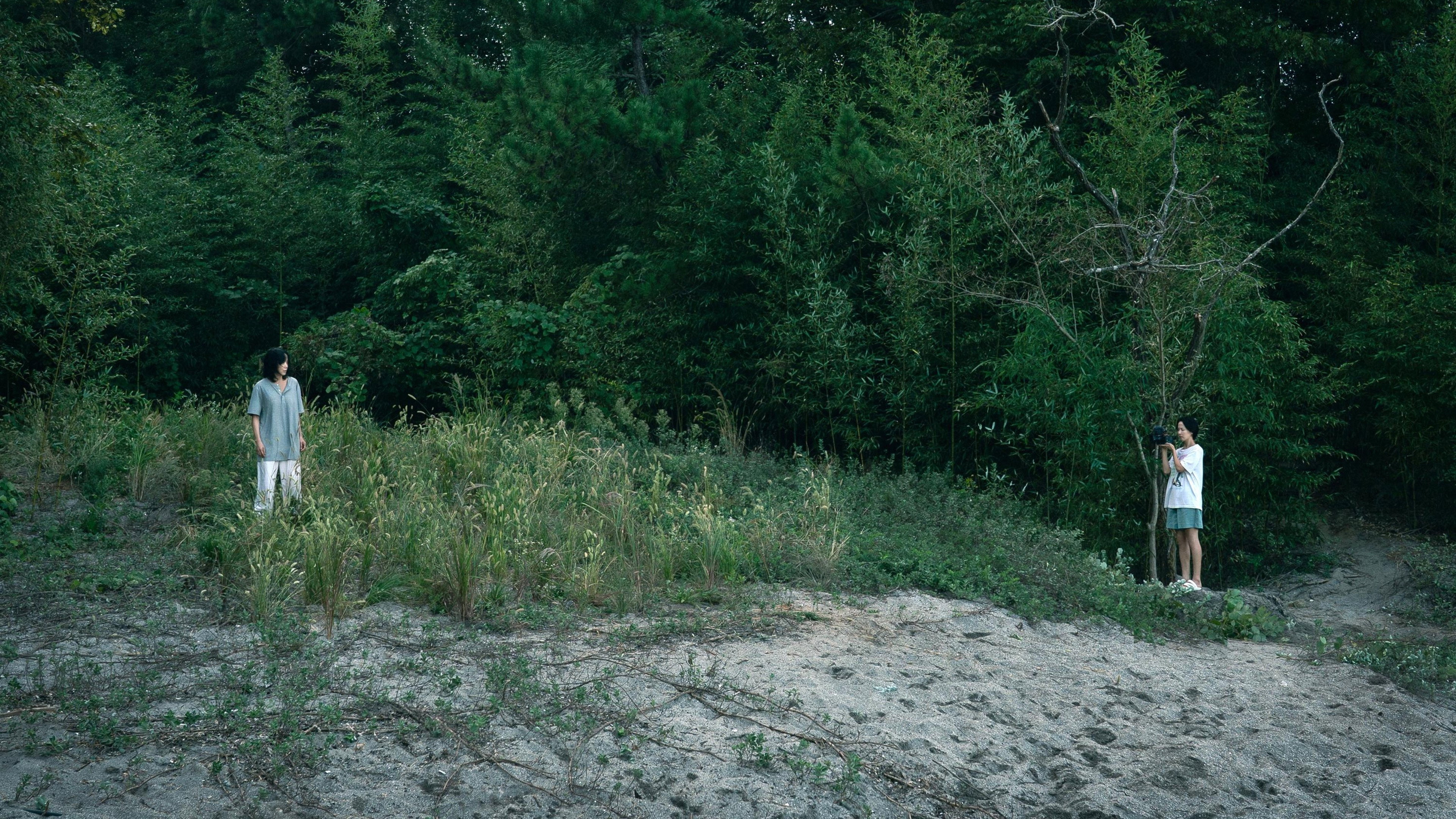
Critics praise the film’s culminating beach sequence, where the two narrative tracks—Mi‑ok’s struggle for agency and Ho‑seok’s unresolved trauma—collide in a striking climax. With a limited U.S. theatrical run, the sustained focus of a cinema setting is the best way to absorb its layered storytelling. Fans of patient, character‑driven cinema should seize the chance to experience this rare, rewarding work.
Lee Chang‑dong’s seven‑year labor of love finally lands on Netflix, winning Venice’s Silver Lion along the way.
After a half‑decade of emails, coffee meetings and a makeshift factory roof on a deserted G.M. Korea site, veteran Korean auteur Lee Chang‑dong unveiled "Possible Love," a film born from the 2009 auto‑plant strike that reshaped his career. Co‑written with Oh Jungmi, the drama intertwines the plight of a laid‑off factory worker and his wife with a meta‑couple—a documentarian and her husband—who serve as Lee’s stand‑in to probe the ethics of turning real pain into art.
The film’s ensemble boasts four of Korea’s finest actors—Jeon Do‑yeon, Sul Kyung‑gu, Cho Yeo‑jeong and Zo In‑sung—bringing a quiet, intimate intensity that contrasts sharply with the country’s more sensational genre fare. "Possible Love" clinched the Silver Lion Grand Jury Prize at Venice and has since rolled through Toronto, New York and London, earning a reputation as Lee’s most complex work yet, its class‑and‑intimacy questions resonating in today’s climate.
Lee insists the movie should blur the line between screen and reality: “In the movies, we talk about mise‑en‑scène, about making a composition. But for me, fundamentally, I don’t want there to be a gap between the movie and the audience’s reality—the world.” After a brief theatrical window this month, the film will debut on Netflix in early November, marking the director’s first foray onto a streaming platform and offering global audiences a rare glimpse into his reflective, socially charged storytelling.
Lee Chang‑dong’s ‘Possible Love’ turns a real‑life factory layoff into a meta‑drama about love, loss, and who gets to tell the story.
Lee Chang‑dong, the auteur behind the Oscar‑shortlisted thriller *Burning*, returns with *Possible Love* – now streaming on Netflix. The 72‑year‑old director, known for waiting until a story feels essential, finally broke his self‑imposed silence, delivering a film that feels less like a sequel and more like a cultural event.
The film’s seed grew from the 2009 mass layoffs at Ssangyong Motor, when a third of the workforce was dismissed and workers occupied the plant for months. Lee saw the upheaval as a turning point for Korean society, a backdrop he chose over the hyper‑violent lens of *Squid Game* or Park Chan‑wook’s satire, opting instead for a drama that asks whether the story belongs on screen or in a documentary.
In a clever twist, the narrative follows two couples – Mi‑ok (Jeon Do‑yeon) and her laid‑off husband Ho‑seok (Sul Kyung‑gu), and a wealthy documentary filmmaker Ye‑ji (Cho Yeo‑jeong) with her affluent husband Sang‑woo (Zo In‑sung). The script, which Jeon only believed after a decade of talks, places a female documentarian at the center, reflecting Lee’s belief that women bring greater empathy to such stories.
Beyond the personal, *Possible Love* probes two faces of Korean masculinity: Ho‑seok’s burdened, brother‑like responsibility and Sang‑woo’s polished, capital‑driven power. As Mi‑ok hopes the documentary will heal her husband, the film asks who truly has the right to capture a nation’s pain – the workers themselves or the cameras pointing at them.