
Drama
War
Love leaves a legacy.
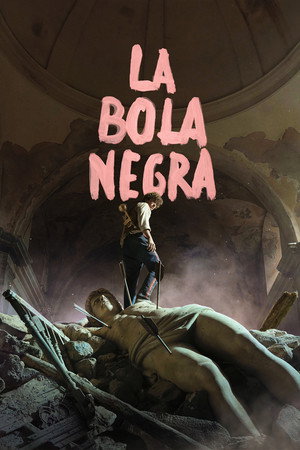
La Bola Negra (2026)
Runtime
159 min
Release date
25/09/2026
Country
Spain, France
Production
 Movistar Plus
 Le Pacte
 El Deseo
Telefónica Audiovisual Digital
Los Esquiadores
Overview
The intertwined lives of three men in three different eras, three lives intimately linked by sexuality and desire, pain, and legacy.
Directors & Screenwriters

Javier Ambrossi
Director
& Screenwriter

Javier Calvo
Director
& Screenwriter

Alberto Conejero
Screenwriter


Name:
Birthday:
Place of birth:
Birthday:
Place of birth:
Biography:
Acting:


Cast

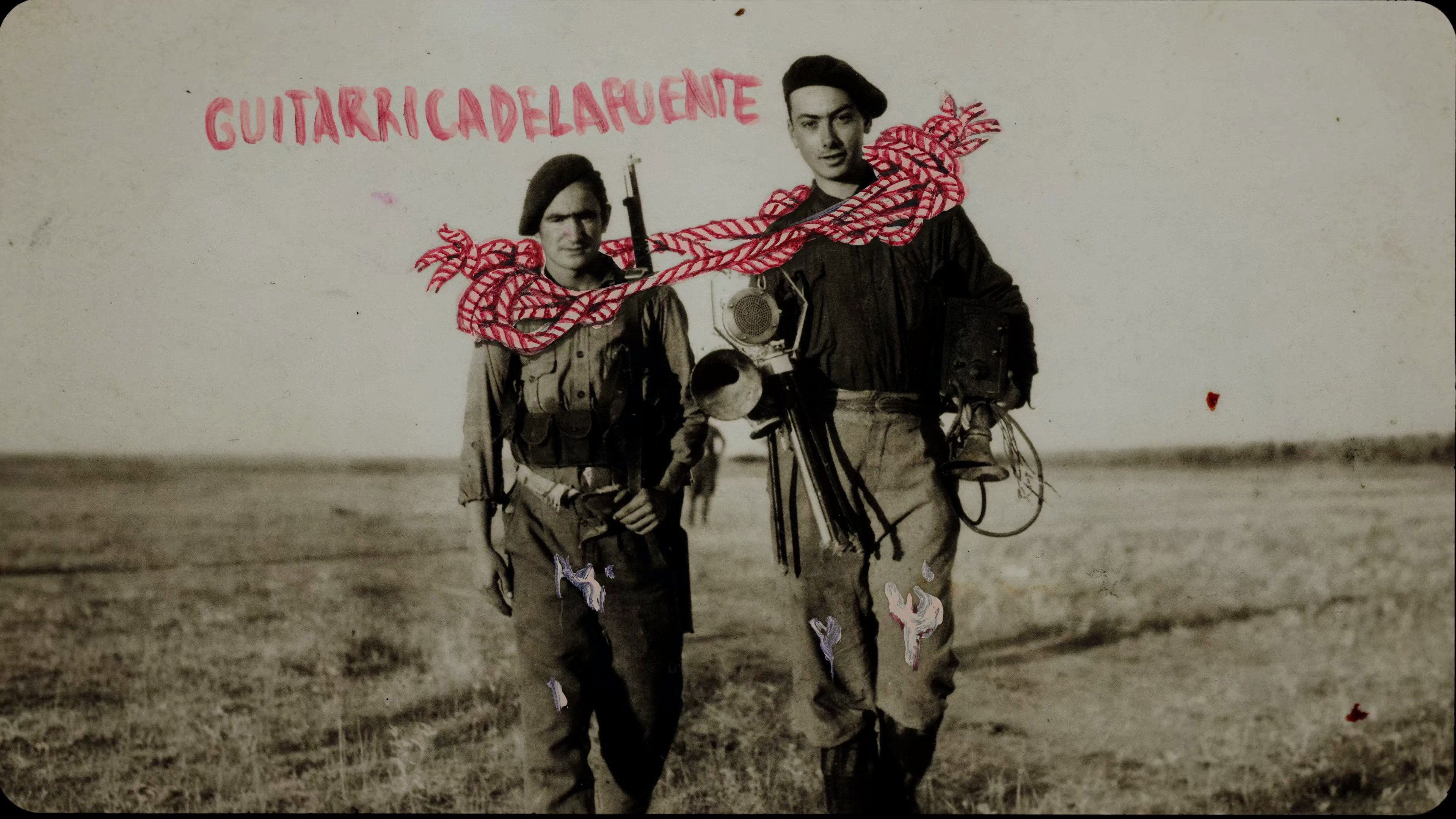
Guitarricadelafuente
as
Sebastián

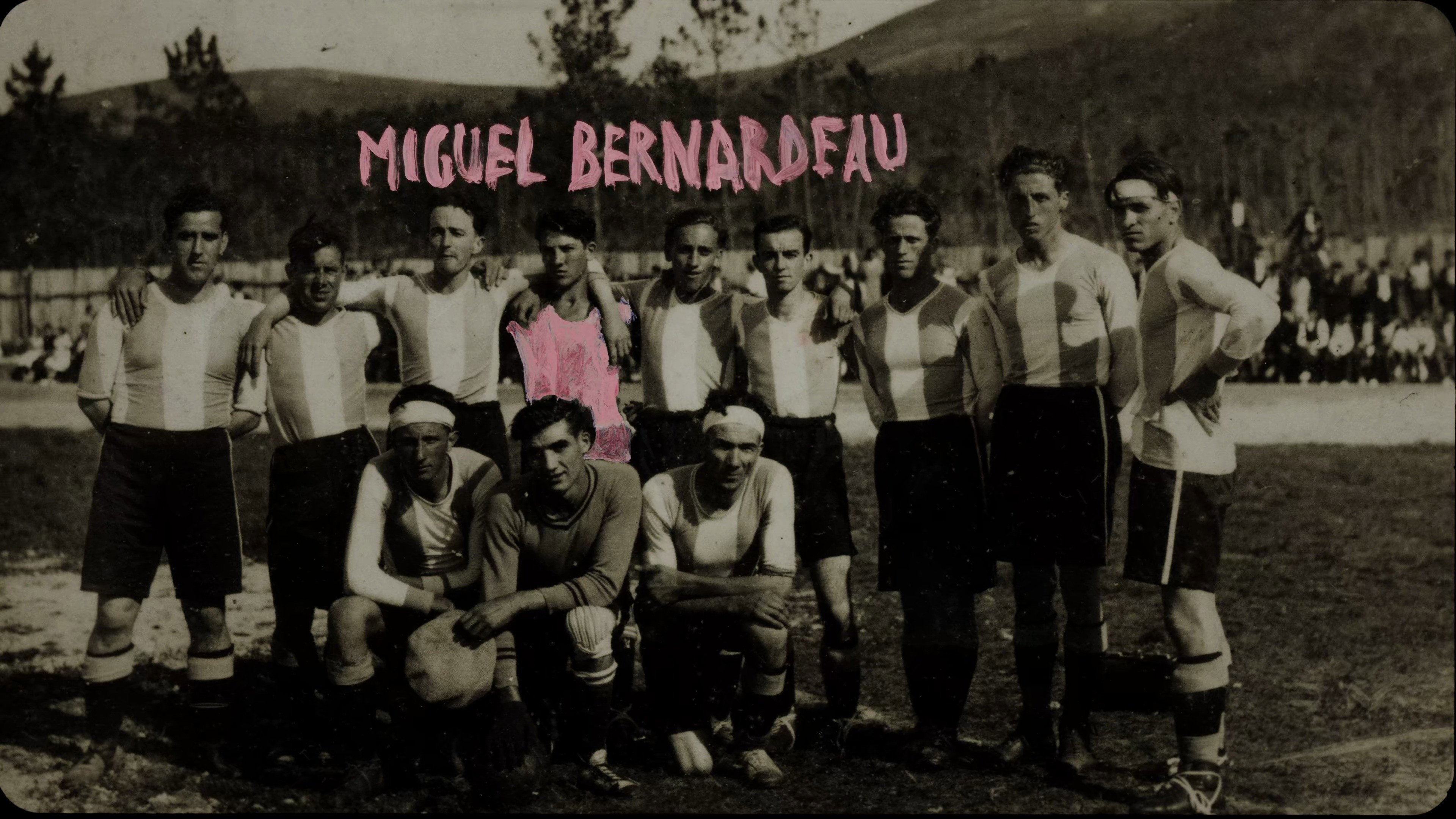
Miguel Bernardeau
as
Rafael

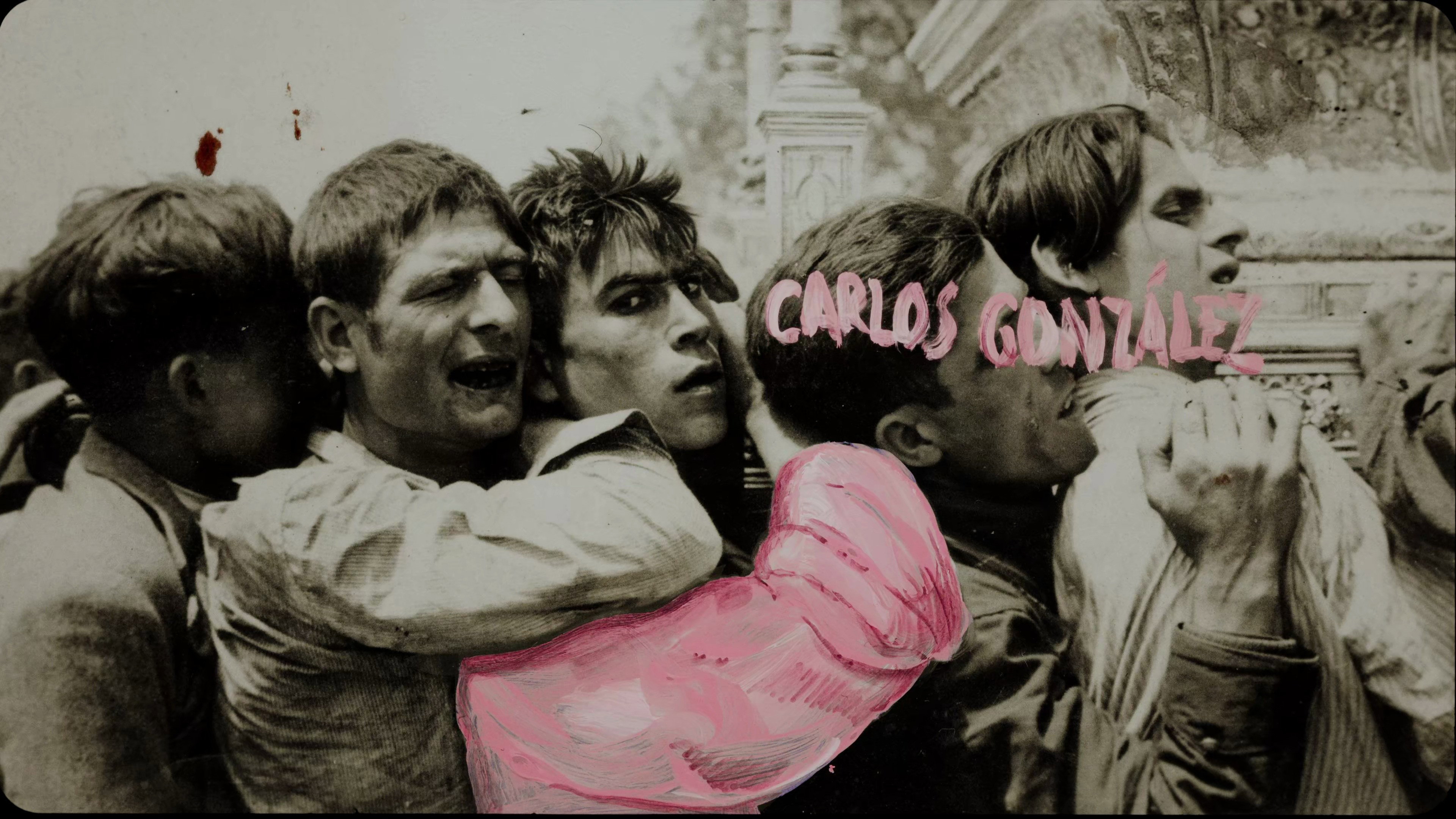
Carlos González
as
Alberto

Milo Quifes
as
Carlos

Lola Dueñas
as
Teresa

Penélope Cruz
as
Nené Romero

Glenn Close
as
Isabelle Durand

Julio Torres
as
Juan Pablo

Yenesi
as
Goyita

Lorenzo Zurzolo
as
Riccardo

Antonio de la Torre
as
Vicente (El padre de Carlos)

María Morales
as
La madre

Natalia de Molina
as
Valentina (La hermana)

Albert Pla
as
Teniente Coronel

Hugo Welzel
as
Enrique

Mona Martínez
as
La Anciana
/ La Nieve
/ La Nieve

Nuria Mencía
as
Lucía
Alberto Cortés
as
Federico García Lorca

Daniel Ibáñez

Teo Lucadamo
as
Frasquito

Antonio Dechent
as
Casino Director

Lola Rodríguez
as
Rocío
Alana S. Portero
as
Moderadora
Maria Barrier
as
Amigos Juan Carlos

Judeline

Claudia Costafreda
as
Foto Verbena

Sabina Urraca
as
Foto verbena
Custodio Pastor
as
Foto Verbena
Alex Carantana
as
Grindr Guy
Name:
Birthday:
Place of birth:
Birthday:
Place of birth:
Biography:
Acting:












































All trailers
Drama
War
La Bola Negra
Official Trailer [Subtitled]
Video: YouTube
Duration: 02:15
Duration: 02:15
Drama
War
La Bola Negra
Official Teaser
Video: YouTube
Duration: 01:58
Duration: 01:58
Did You Know?
Tom Cruise’s high‑wire satire crashed despite a $180 million budget
The black‑comedy "La Bola Negra," a rare satirical turn for Tom Cruise, barely scraped $8 million at the U.S. box office and $12 million overseas, a stark contrast to its reported $125‑$180 million production cost and a $100 million marketing push. Even with a star‑studded cast that includes Riz Ahmed, John Goodman and Sandra Hüller, the film failed to draw audiences, turning into one of Warner Bros.’ most notable commercial misfires.
Industry observers point to the film’s daring premise—a balding, portly billionaire whose oil empire triggers a disaster—as a risky departure for Cruise, whose name alone no longer guarantees a blockbuster. The movie debuted with buzz at CinemaCon, where director Alejandro G. Iñárritu called it a “high‑wire act,” a description that proved prophetic as the project stumbled under the weight of its own ambition.
Critical response was lukewarm, with a C+ CinemaScore and a 51 percent Rotten Tomatoes rating, prompting the studio to lean into the divisive chatter in its marketing. While the flop may signal a cautionary tale for big‑budget, character‑driven ventures, Cruise remains undeterred, hinting at a return to more conventional, high‑octane fare as he navigates the unpredictable modern marketplace.

How a lost Lorca manuscript sparked a haunting love saga across three eras
When directors Javier Calvo and Javier Ambrossi first read the opening monologue of Federico García Lorca’s unfinished play on a plane, they were moved to tears – a wound they didn’t know they still carried from the Spanish Civil War. Their quest led them to Granada’s Centro Federico García Lorca, where they examined the four surviving pages of the script, feeling the work was a weapon fascists once tried to destroy. From that fragile fragment, they imagined what “La Bola Negra” could have become, weaving it with the mysterious “La pieda scura” to anchor the film’s present timeline.
The resulting feature follows three gay men in 1932, 1937 and 2017, all linked by the real‑life romance between footballer Rafael Rodríguez Rapún and Lorca himself. The period strands are populated by a young trumpeter Sebastián (played by singer‑songwriter Guitarricadelafuente) and a Cuplé singer Nené Romero, portrayed by Penélope Cruz, who entertains soldiers during the war. The directors say the script’s power lies in those four pages – the first a simple character list that sparked a challenge to re‑imagine Lorca’s lost world into something beautiful and resonant.
Calvo and Ambrossi describe the process as a dialogue with history: “It felt like a weapon that fascism wanted to destroy,” they recalled, noting how Lorca’s niece revealed the manuscripts were hidden to survive. Their deep dive into generational trauma not only resurrects a silenced gay narrative from the 1930s but also bridges it to contemporary struggles, making “La Bola Negra” a poignant meditation on love, loss, and the lingering shadows of a war that still haunts Spain.
The hidden pages of Lorca’s unfinished play sparked a daring, three‑era love saga – now starring Penélope Cruz.
Spanish auteurs Javier Calvo and Javier Ambrossi unearthed a buried piece of literary history to fuel their Cannes‑winning drama La Bola Negra. The film stitches together the lives of three gay men across 1932, 1937 and 2017, drawing its core from Alberto Conejero’s 2013 stage adaptation La piedra oscura, itself inspired by Federico García Lorca’s unfinished La Bola Negra. The directors discovered only four pages of Lorca’s script, preserved at Granada’s Centro Federico García Lorca, and treated those fragments as a living character blueprint.
Those four pages, a list of characters and a glimpse of a revolutionary gay role Lorca never got to stage before his murder, became the film’s secret weapon. Calvo and Ambrossi imagined what Lorca might have written, weaving his lost vision into a present‑day timeline that explores the lingering trauma of Spain’s civil war. Singer‑songwriter Guitarricadelafuente, playing trumpeter Sebastián, confessed that the opening monologue moved him to tears, unlocking a personal wound about his country’s past.
The project also attracted Penélope Cruz, who appears as Nené Romero, a cuplé singer entertaining soldiers. Cruz, a longtime fan of the duo’s work on The Messiah and Veneno, jumped at the script despite the role’s brief screen time, calling the material “incredible and powerful.” Her quick bond with the directors underscores how La Bola Negra has become a collaborative love letter to a silenced artistic legacy, turning Lorca’s lost pages into a cinematic weapon against the erasure of queer history.

A sweeping, time‑bending saga of love and loss under Spain’s fascist shadow
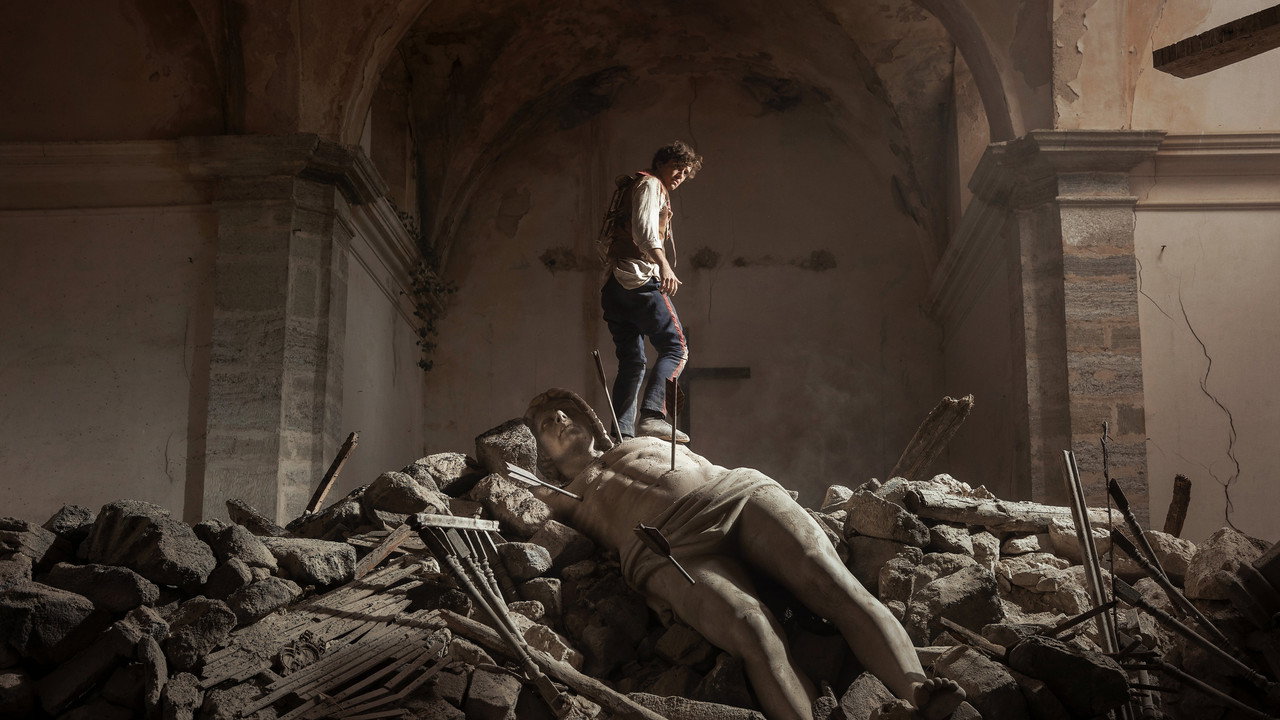
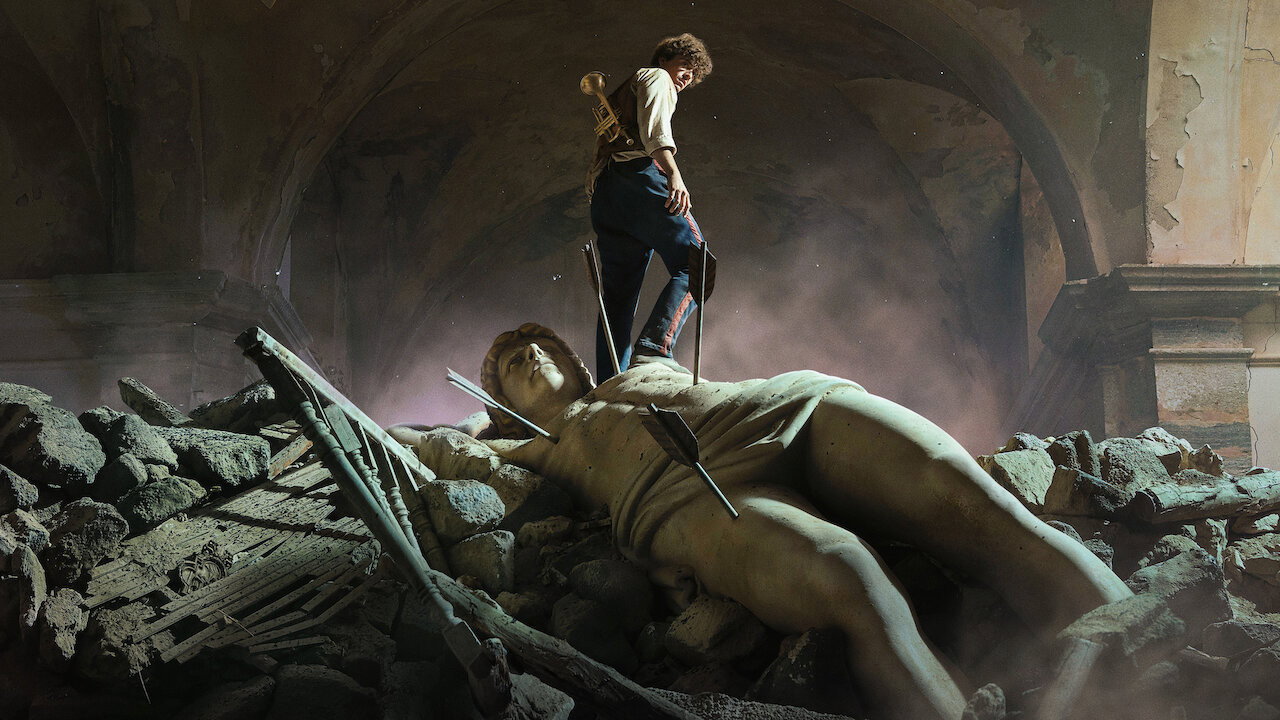
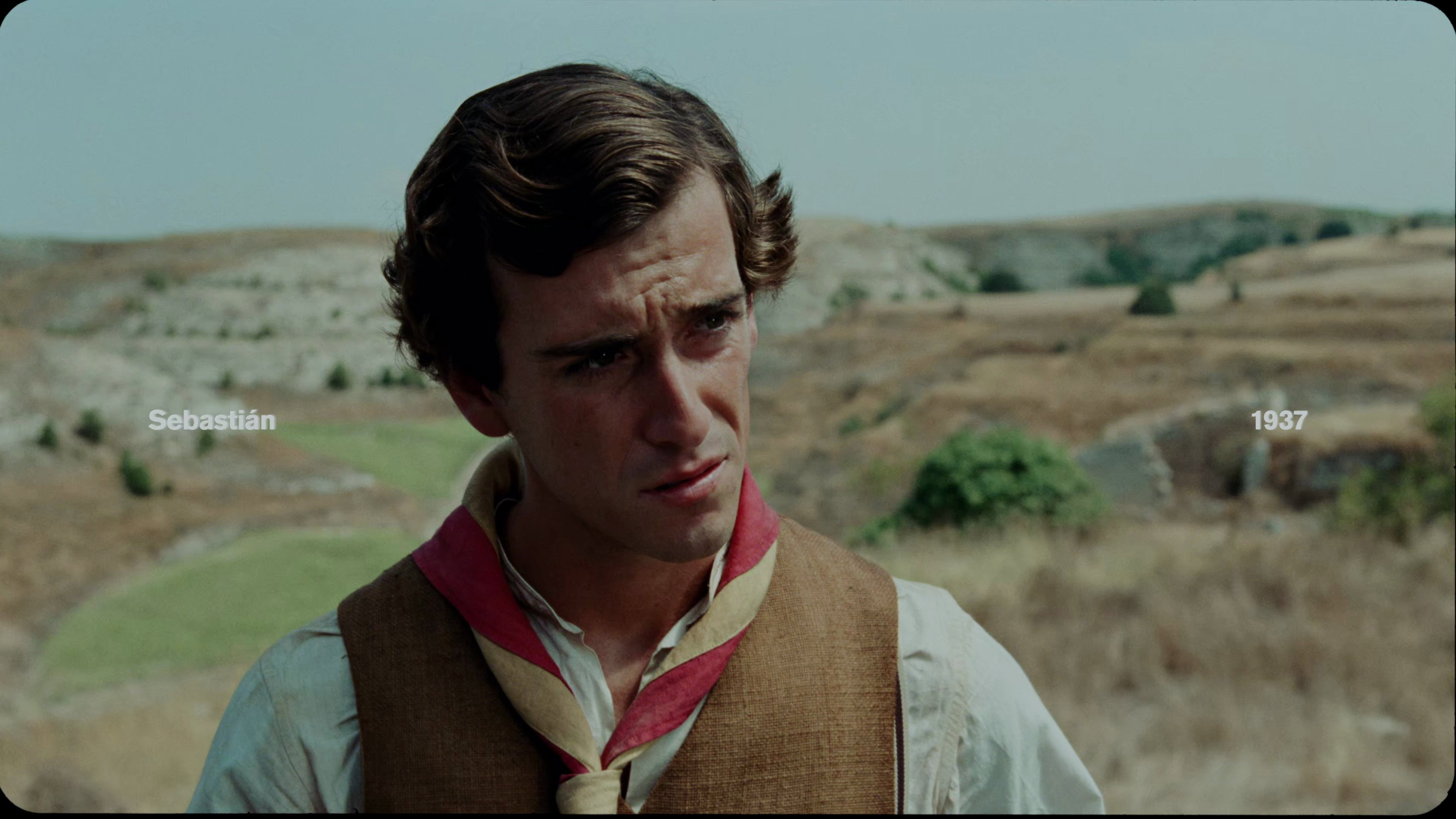
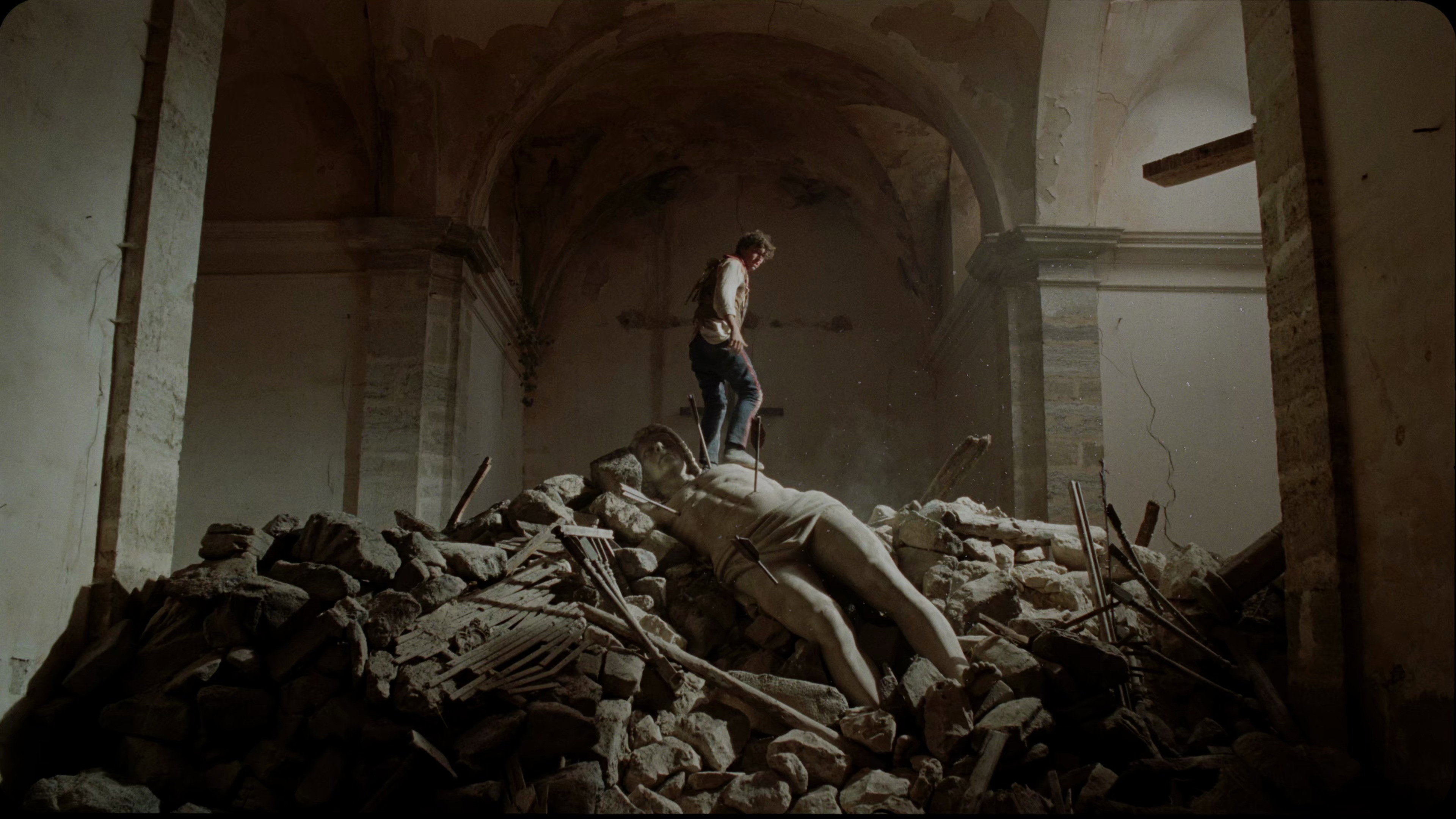
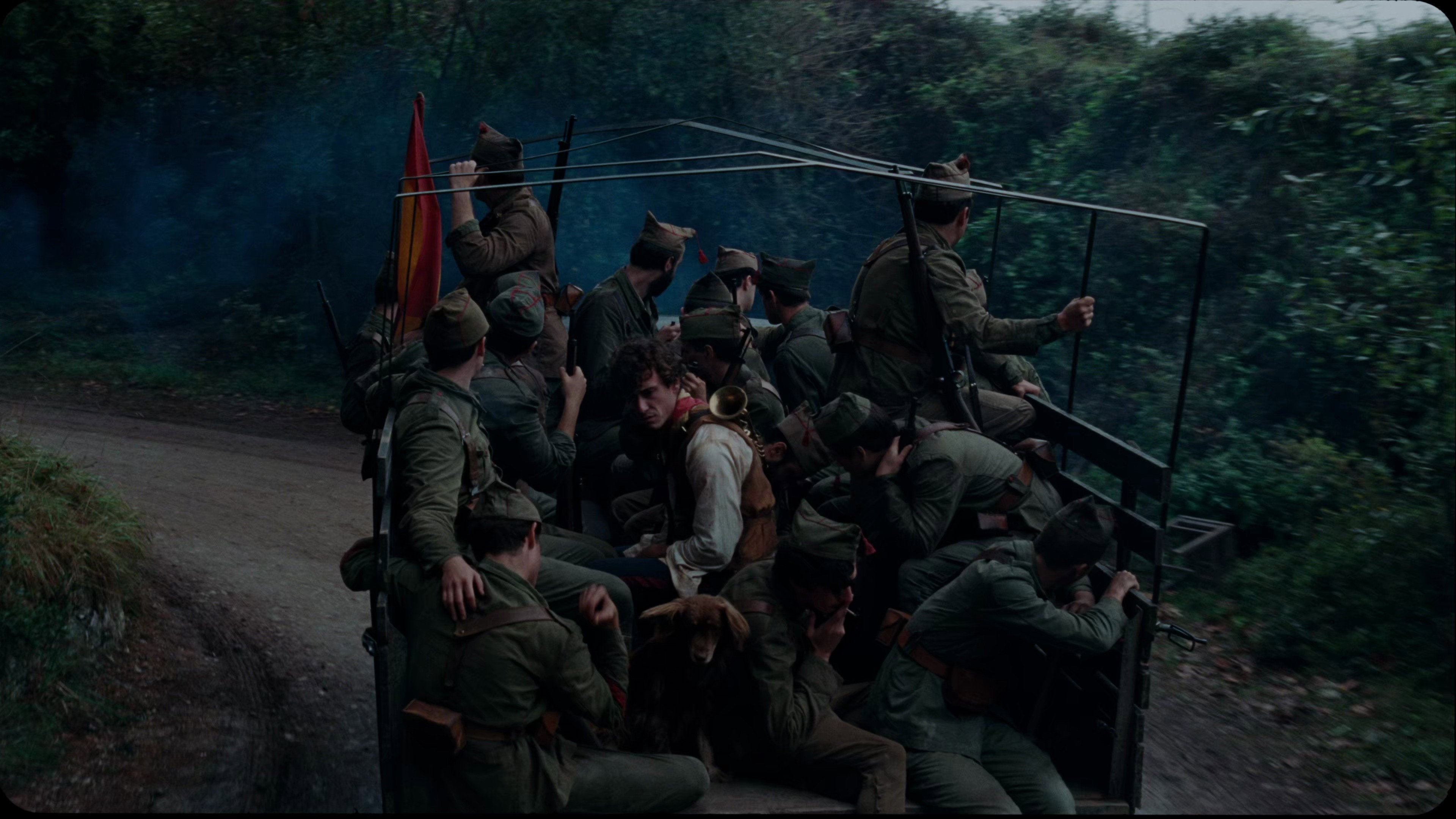
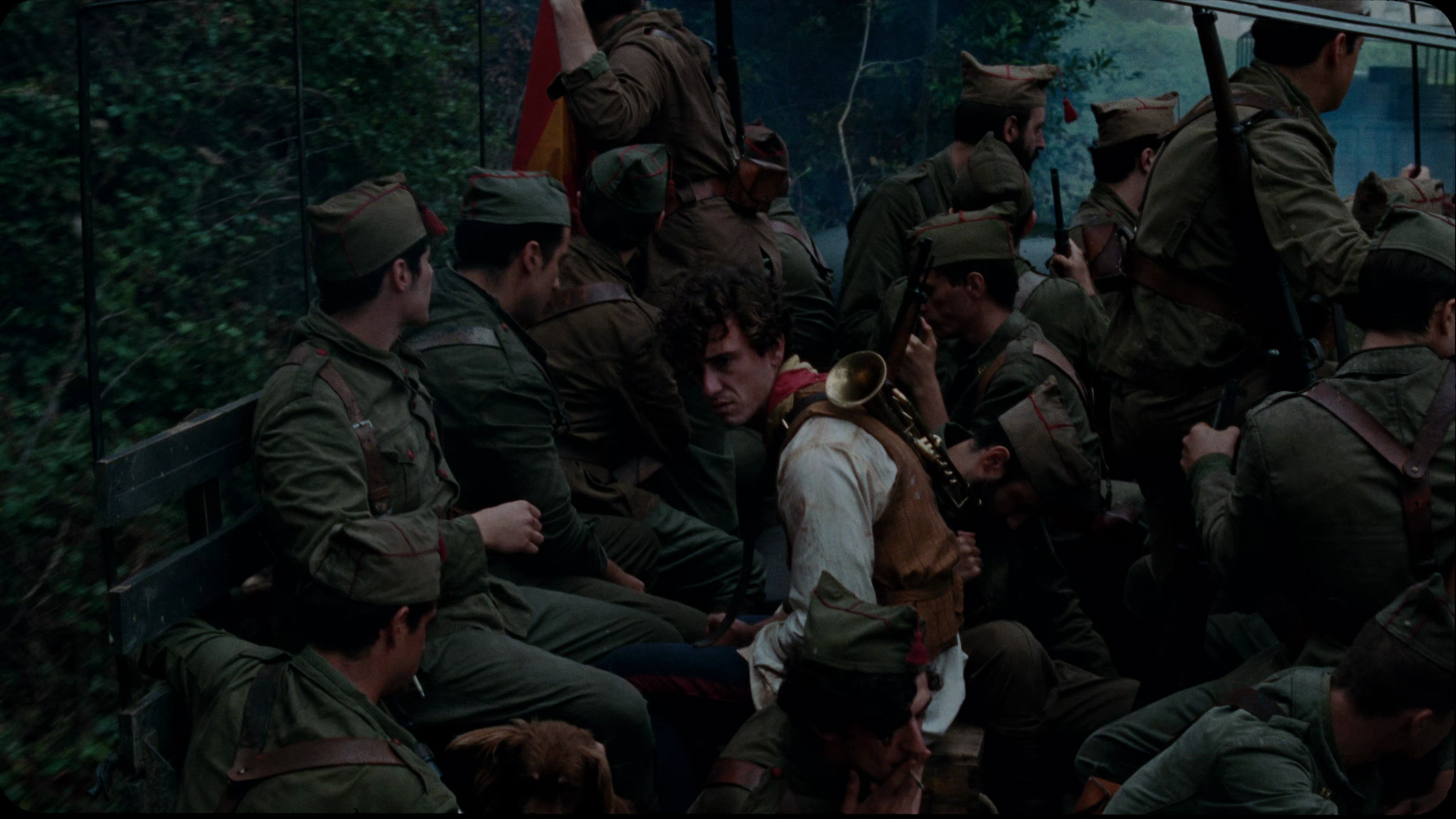
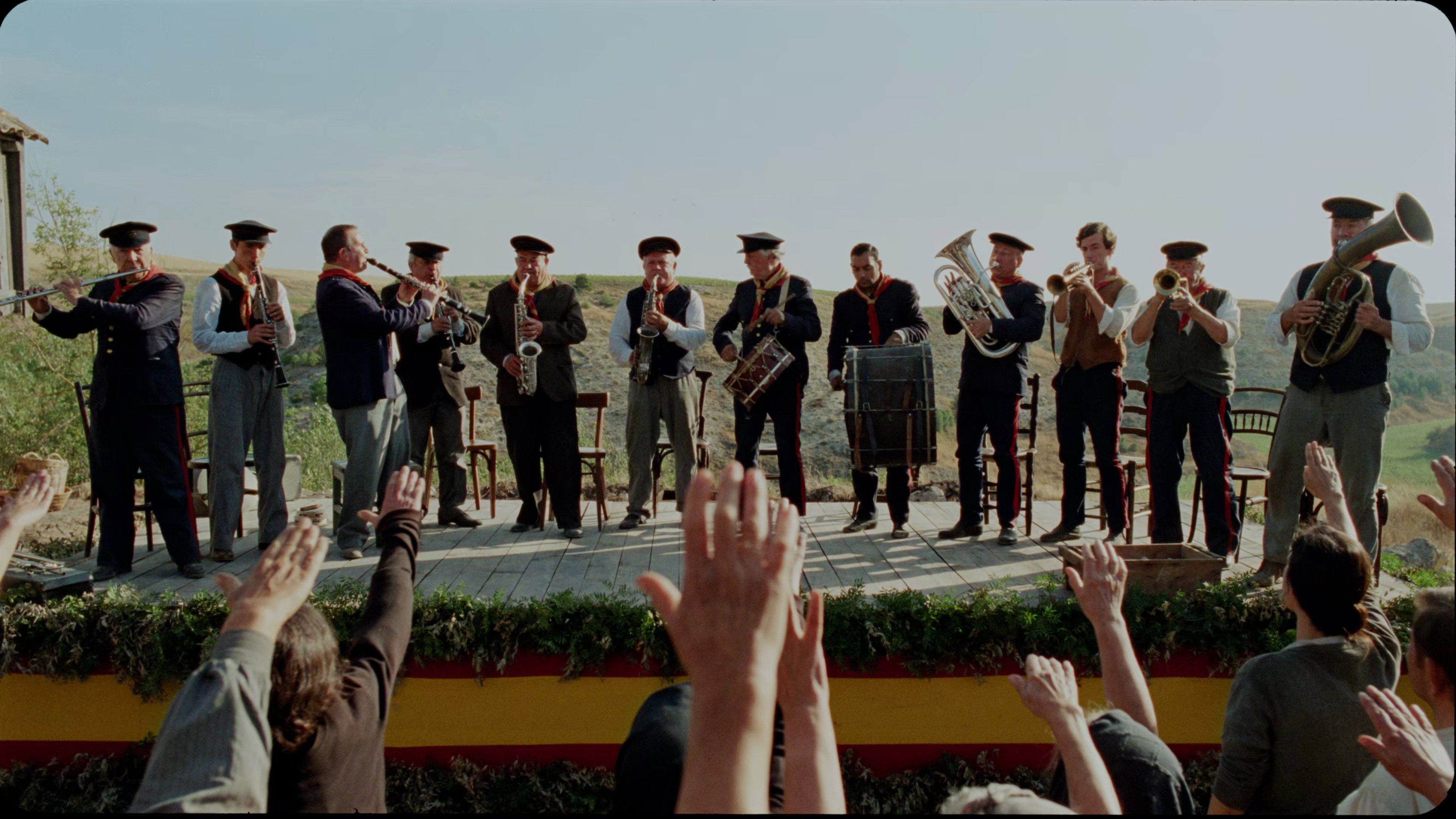
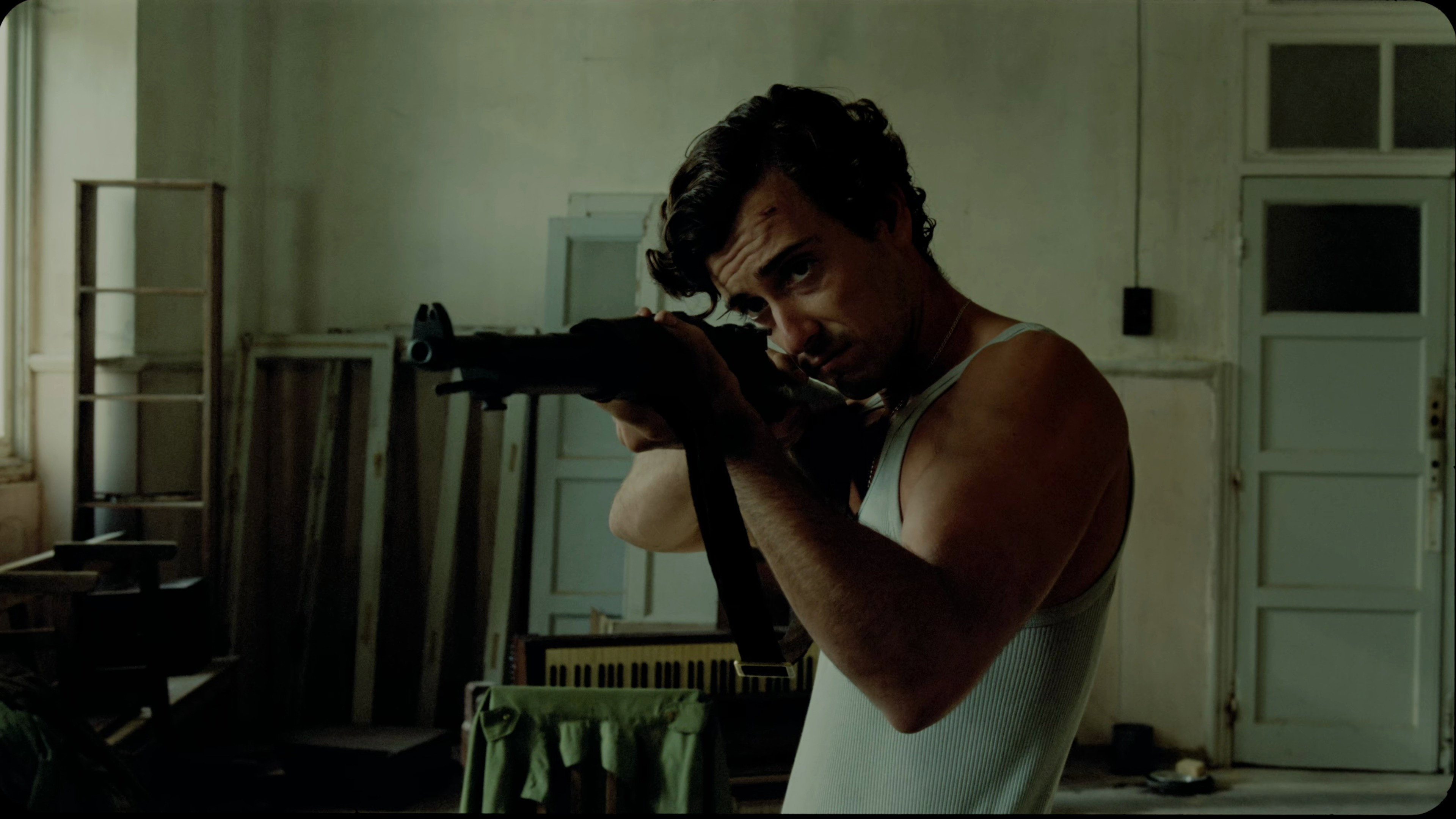
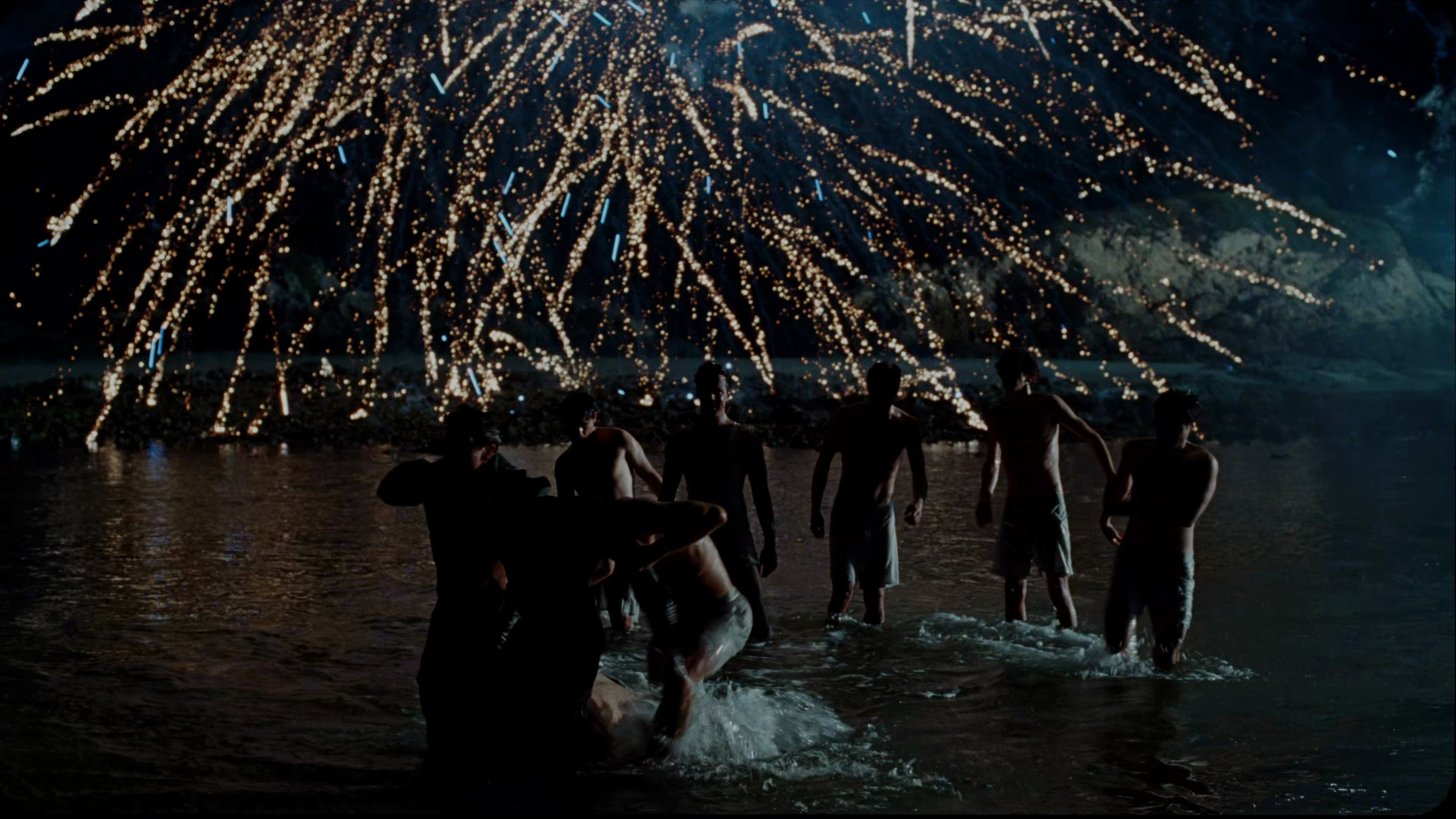
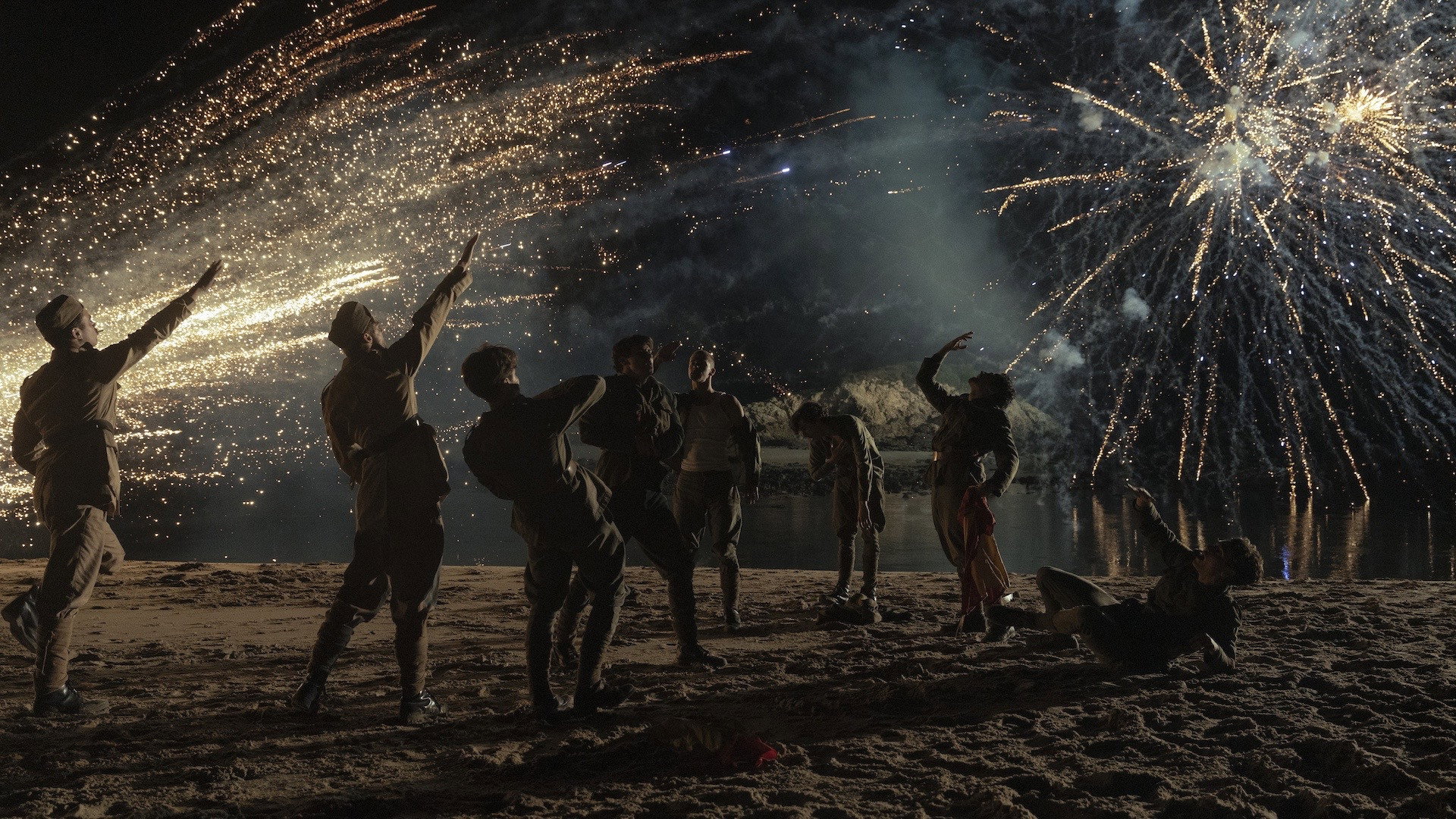
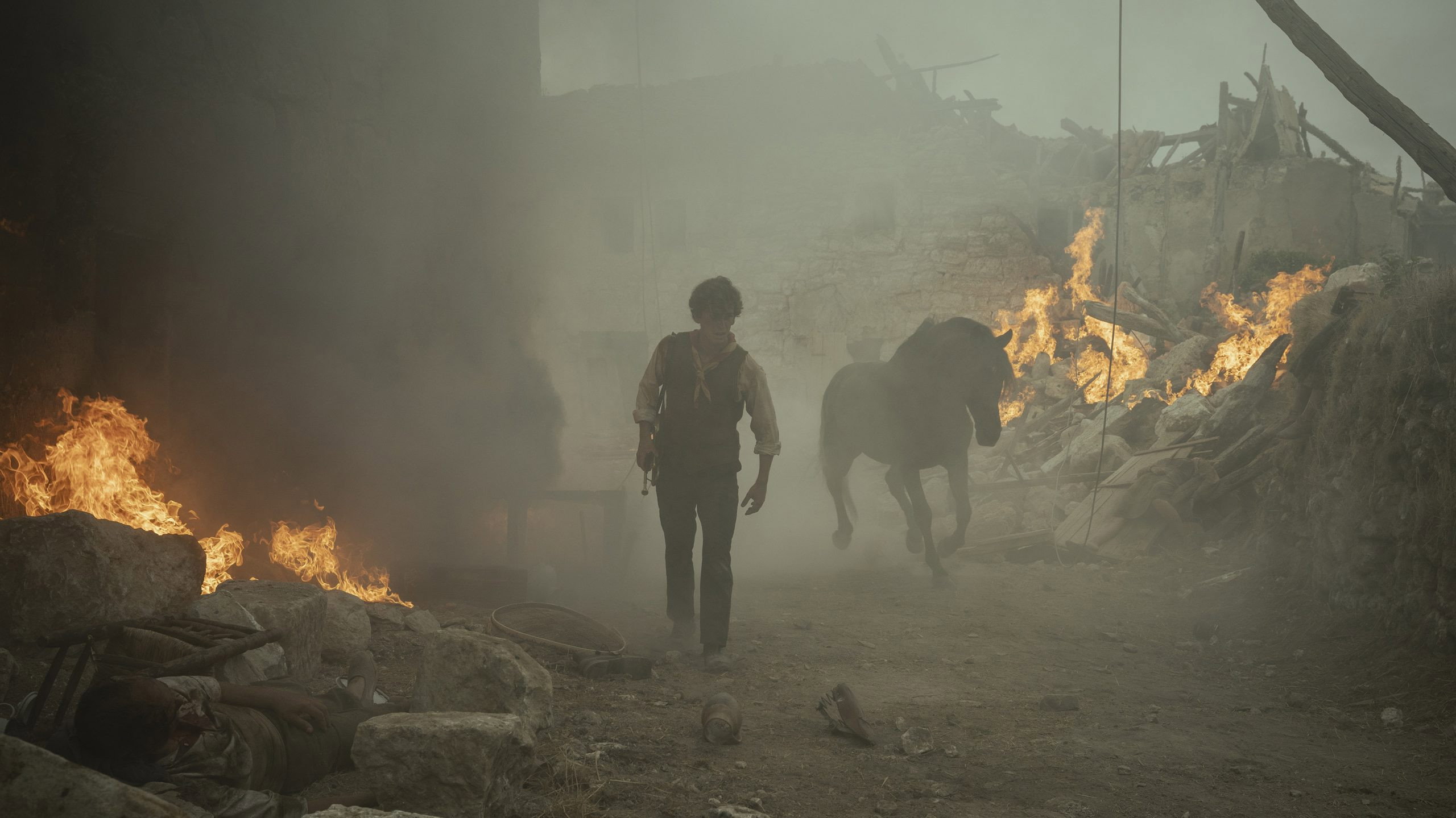
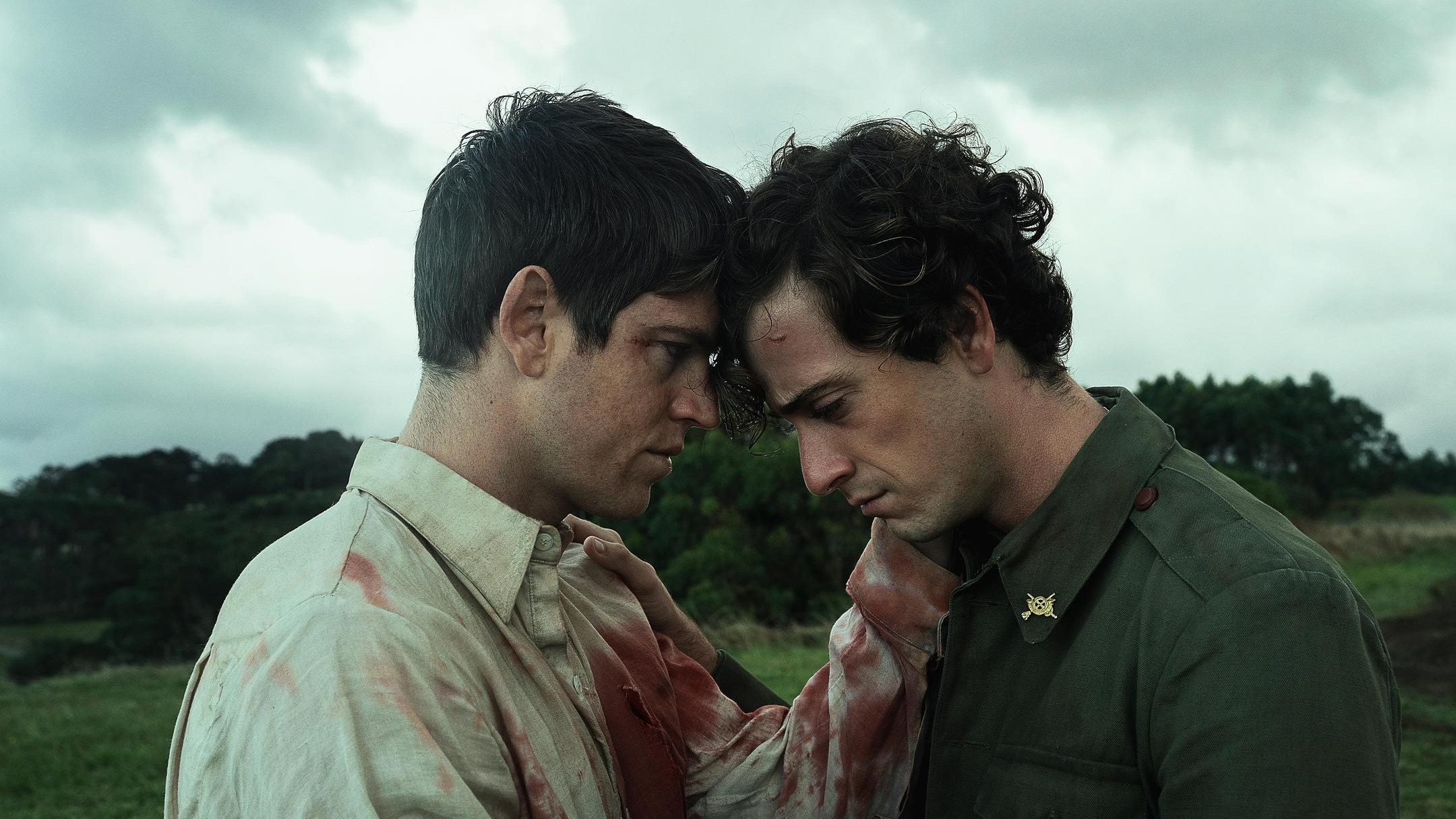
Directed by the celebrated duo Javier Ambrossi and Javier Calvo—known as Los Javis—"La Bola Negra" stitches together three eras (1932, 1937 and 2017) to trace the hidden histories of gay men in Spain. Inspired by fragments of Federico García Lorca’s unfinished play and Alberto Conejero’s biography of Lorca and his lover Rafael Rodríguez Rapún, the film opens with a harrowing 1937 air raid that forces a young trumpet player, Sebastián (musician‑turned‑actor Guitarricadelafuente), into the Nationalist army, where he meets the charismatic captive Rafael (Miguel Bernardeau).
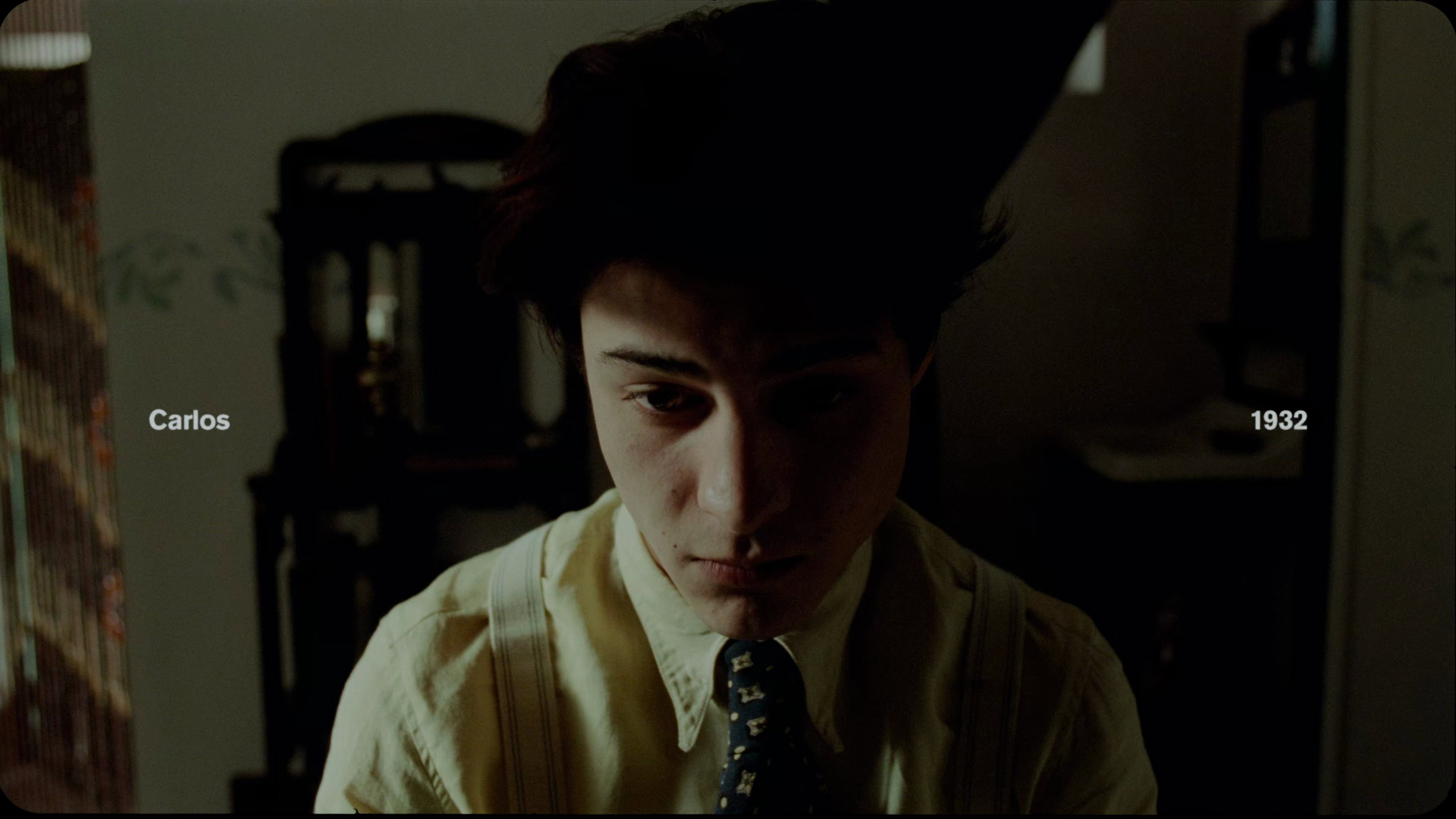
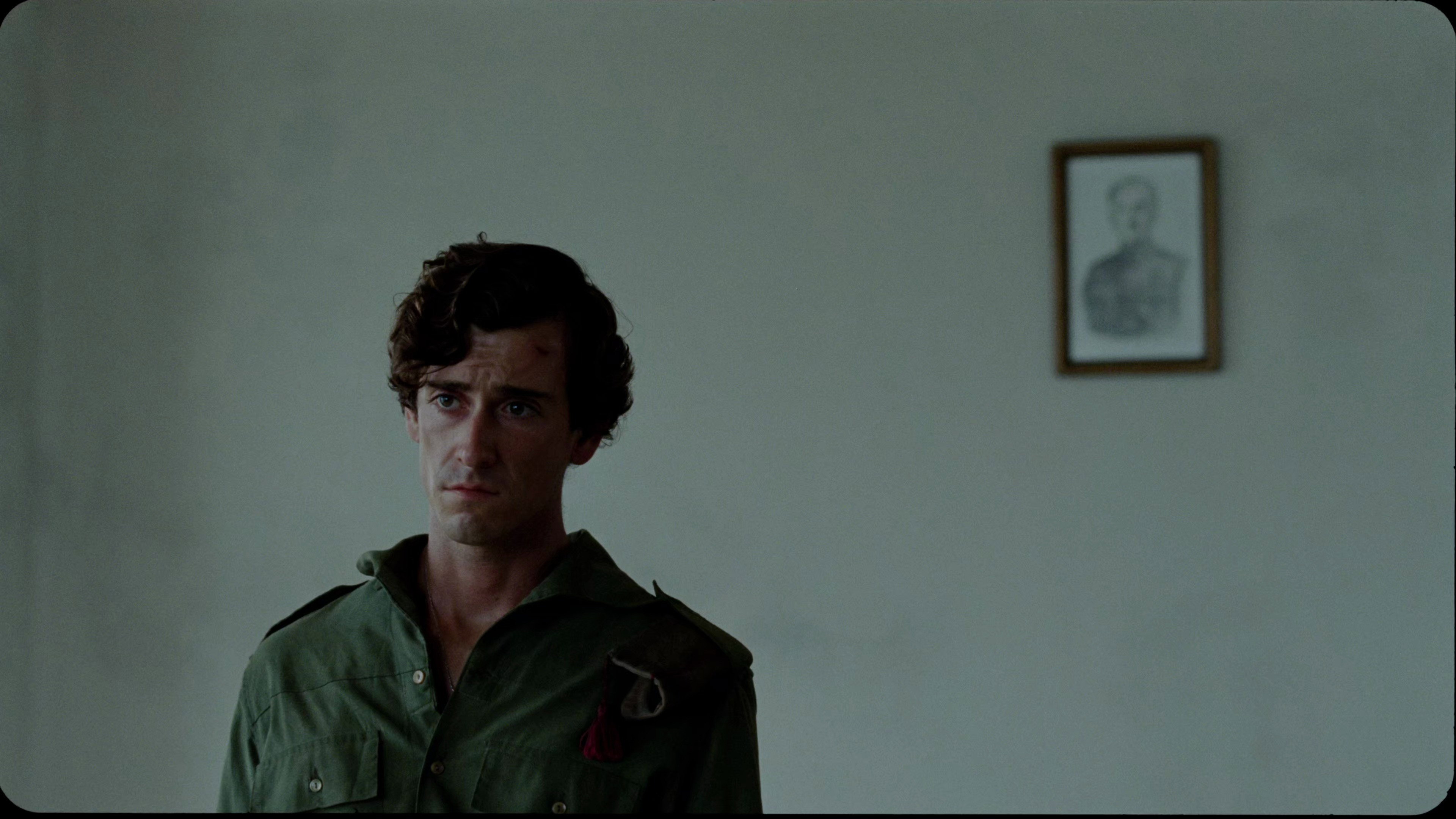
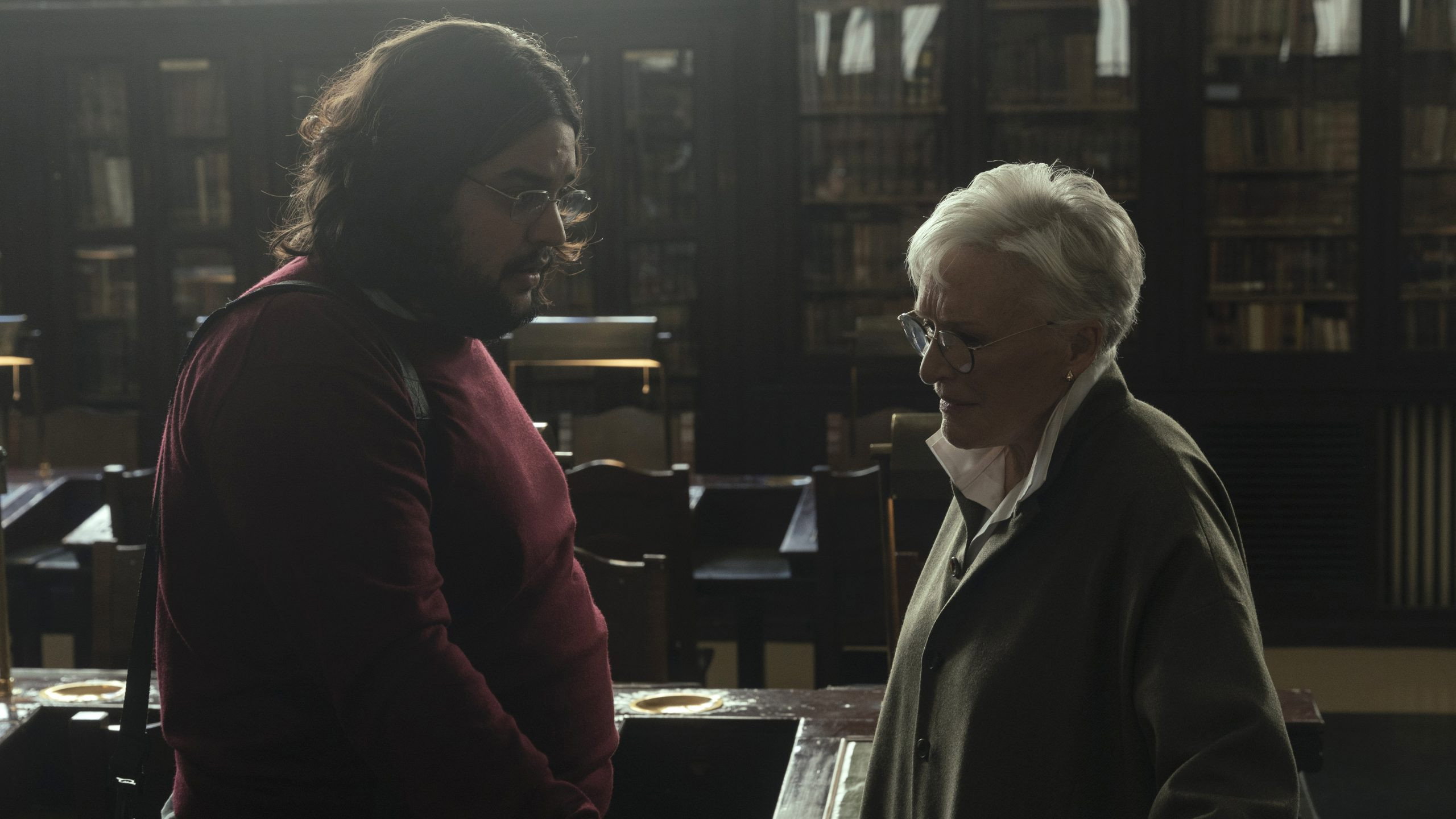
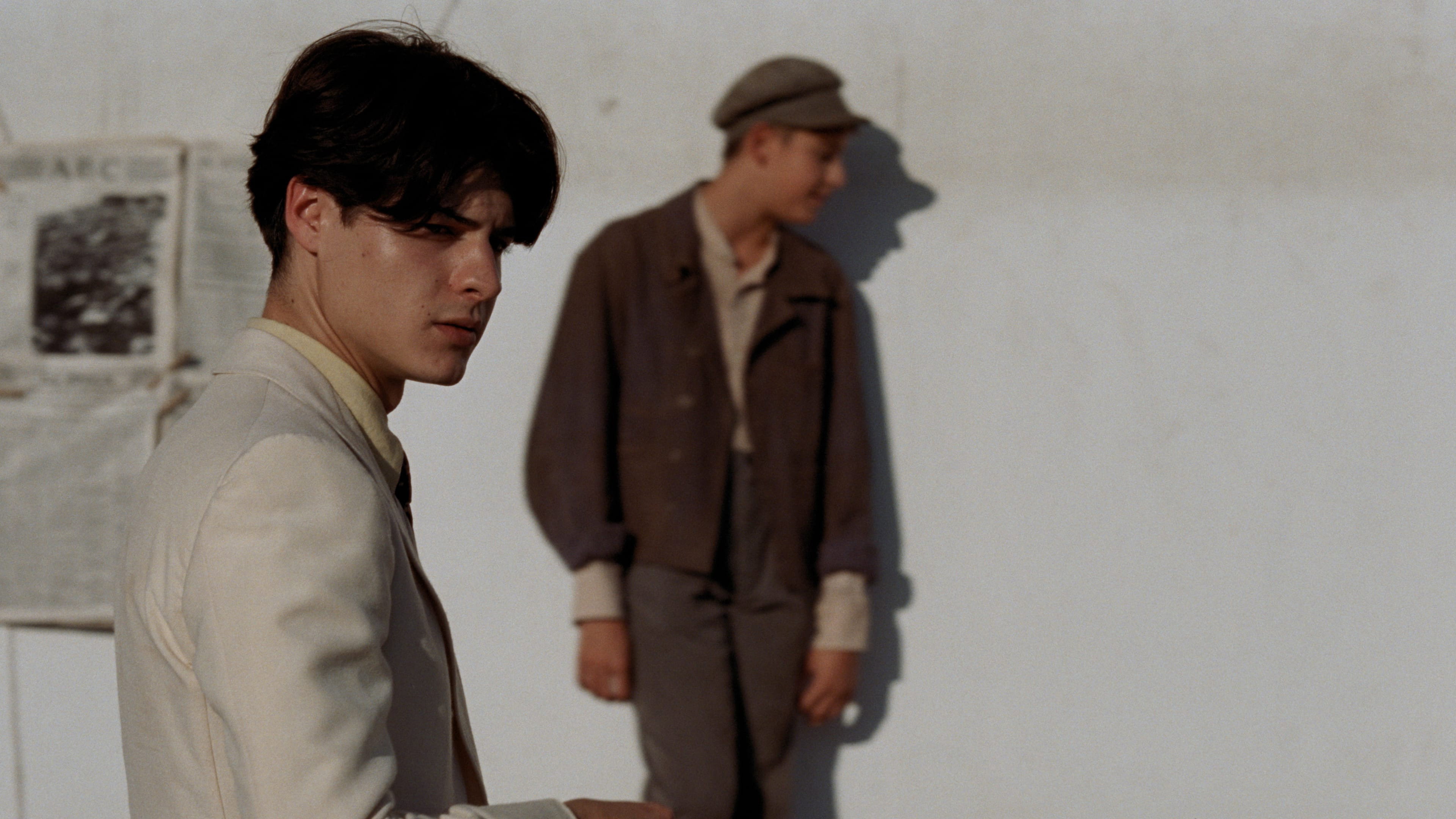
The middle thread follows Carlos (Milo Quifes), a hopeful young aristocrat in 1932 who seeks acceptance from a local club, only to be rejected by a cascade of black balls—the film’s titular symbol of a vote against him, hinting at his suspected homosexuality. The modern storyline centers on Alberto (Carlos González), an openly gay historian in 2017 who inherits a mysterious legacy from a grandfather he never knew, navigating a fraught relationship with his mother Teresa (Lola Dueñas) and the lingering shadows of past trauma.
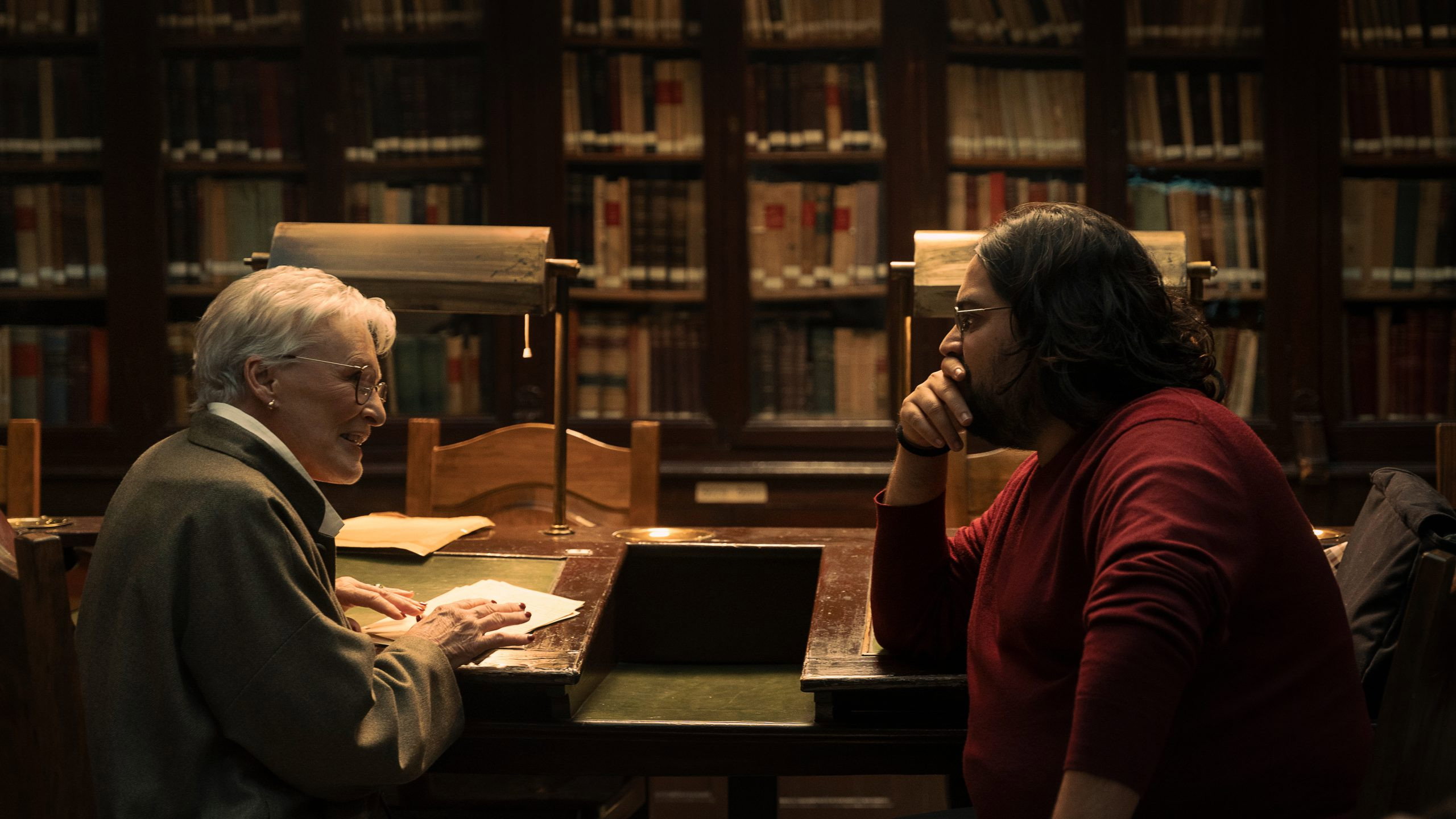
Beyond its interwoven narratives, the movie dazzles with Penélope Cruz’s haunting performance for soldiers, a surprising cameo by Glenn Close as an American scholar, and a lush, hypnotic visual style that belies its modest $15 million budget. Netflix has given the film an unprecedented 47‑day theatrical run before its December streaming debut, and its R rating—covering graphic violence, nudity and strong language—underscores its unapologetic ambition. At 157 minutes, "La Bola Negra" earns three out of four stars for its bold storytelling, even as its maximalist approach sometimes feels weighty.
From Lorca’s unfinished play to a 90‑year queer saga, ‘La Bola Negra’ rewrites Spanish history.
Javier Calvo and Javier Ambrossi—collectively known as “Los Javis”—have taken four pages of an unfinished Federico García Lorca drama and expanded it into a sweeping epic that threads three distinct eras of Spanish life. The film follows a young man blackballed for his sexuality in 1932, a soldier who falls for a wounded enemy prisoner in 1937, and a present‑day writer who inherits a mysterious legacy from a grandfather he never met, binding the three stories together.
To bring Lorca’s lost script to life, the duo turned into literary detectives, poring over letters and clues that hinted at the original intent of the play. They discovered the “black ball” ritual used by private clubs in the 1930s—white meant acceptance, black meant exile—turning it into a potent metaphor for the silence, shame, and hidden desire that have haunted gay men across generations. By tracing that single black ball through history, they aim to resurrect the forgotten heroes of the queer community whose struggles have been erased from mainstream narratives.
Calvo and Ambrossi see the film as a weapon against the resurgence of intolerance, arguing that poetry and cinema can counter fascist impulses. They frame the story as both a tribute to those who suffered for LGBTQ+ rights and a warning that history repeats itself as authoritarian tides rise again. Their collaboration, forged after a 13‑year romantic partnership and a recent amicable split, remains rooted in honesty and a shared commitment to give voice to the silenced past, turning personal catharsis into a bold, poetic statement for today’s audiences.
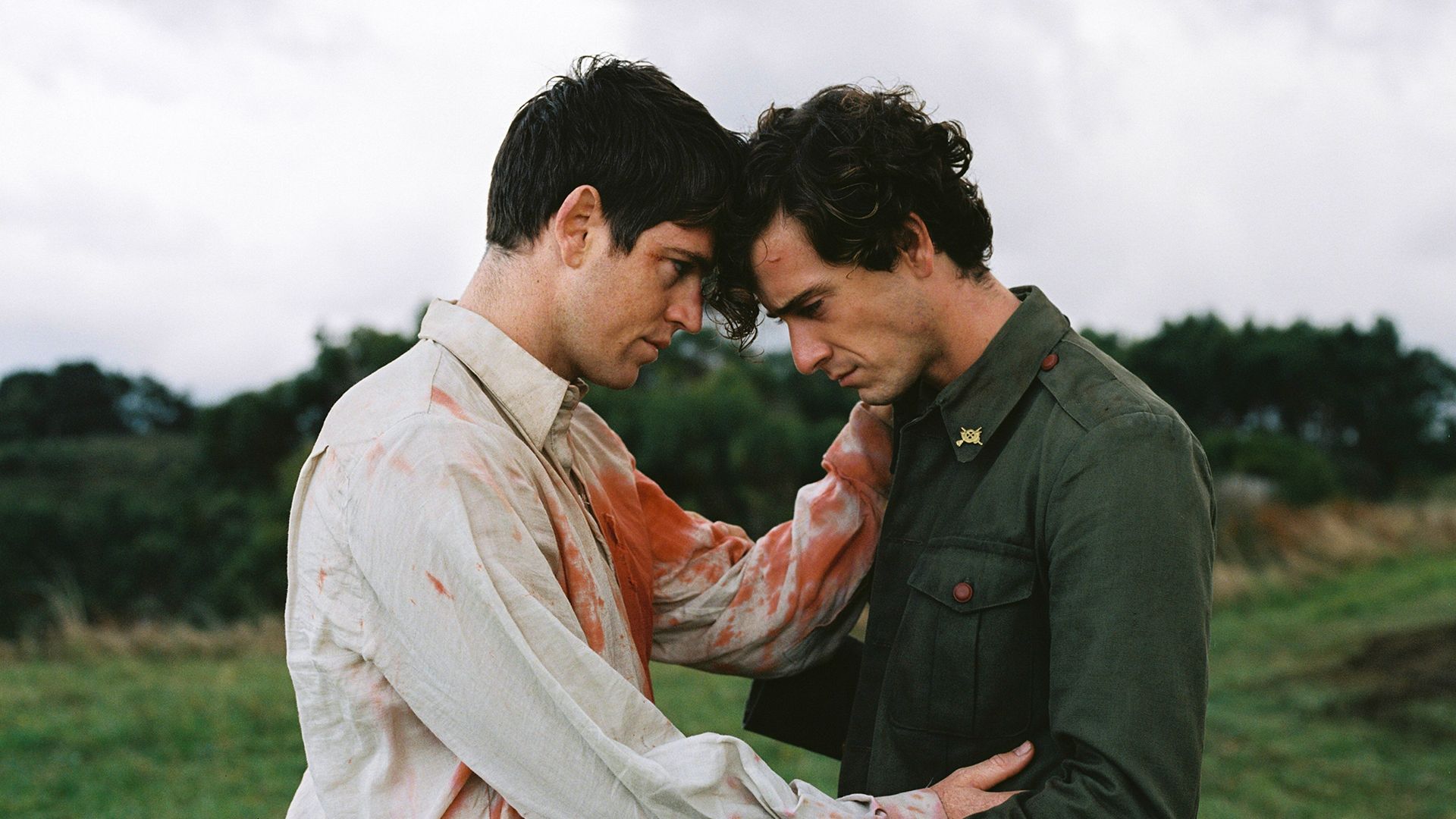
A century‑spanning love story that resurrects Federico García Lorca’s lost play
Netflix’s La bola negra weaves three decades‑apart gay narratives into a single tapestry of Spanish history, from a 1932 casino rejection to a 2017 literary quest. Directors Javier Ambrossi and Javier Calvo use the black ball—a symbol of exclusion—to bind Carlos, Sebastián and Alberto, letting personal fates echo the nation’s turbulent past.
The film’s beating heart is Lorca’s unfinished drama, La bola negra, bolstered by elements from Alberto Conejero’s La piedra oscura. The Javis spent months consulting historians and Lorca scholars, treating the scant four‑page script like a detective case. Their research sparked on‑set improvisations, such as turning a simple bar dance into a full‑blown flamenco sequence with María Terremoto, Raúl Refri and El Niño.
For Milo Queifes, portraying the young Carlos was a crash course in “reading Lorca.” He discovered that Lorca built a community not just in space but across time, a revelation that deepened his connection to the character. Miguel Bernardeau, who plays the elusive Rafael, leaned on Lorca’s Sonetos del amor oscuro and a mysterious letter to flesh out a relationship that history barely records.
Casting decisions were equally meticulous. The directors say finding the right face for Sebastián was crucial, and Guitarricadelafuente’s arrival instantly clarified the character’s direction. Meanwhile, Carlos González anchors the modern thread, piecing together the unfinished play’s legacy for a new generation.

Netflix’s war drama ‘La Bola Negra’ is a surprise Oscar frontrunner and box‑office smash in Spain
The Netflix‑released war drama La Bola Negra has vaulted into Spanish cinema history, pulling in €36.7 million (about $41 million) to become the third‑highest‑grossing Spanish film ever. It trails only Emilio Martínez‑Lázaro’s Ocho Apellidos Vascos and J.A. Bayona’s Lo Imposania, a remarkable feat for a title that debuted primarily on streaming and only later reported its theatrical numbers.
Critics have embraced the film with a certified‑fresh rating on Rotten Tomatoes, and Collider’s Victoria Luxford hails it as a clear Oscar contender, praising its subversive storytelling and memorable, if imperfect, saga. The ensemble cast – led by Penélope Cruz, Glenn Close and Milo Quifes, with strong support from Álvaro Lafuente Calvo and Miguel Bernardeau – has been singled out for elevating the drama above its peers.
Netflix is banking on La Bola Negra as its flagship push for the 2026 Best Picture race, positioning it just behind Christopher Nolan’s epic The Odyssey. The streaming giant’s recent Oscar haul in 2025 (three technical wins for Frankenstein) adds weight to its confidence that the war drama can translate critical buzz into top‑honor glory.
Behind the camera, the directing duo Javier Calvo and Javier Ambrossi bring their signature subversive edge to the project, cementing the film’s status as both a commercial powerhouse and an awards‑season centerpiece. As the ceremony approaches, La Bola Negra’s blend of box‑office muscle and critical acclaim makes it the most compelling challenger to Nolan’s lead.
Penélope Cruz’s teen son makes his Netflix debut in the tear‑jerking Oscar hopeful La Bola Negra.
Leo Bardem, the 15‑year‑old son of Penélope Cruz and Javier Bardem, steps onto the screen for the first time in the closing‑credits ensemble of La Bola Negra. Though he doesn’t utter a line, his brief appearance signals a possible new chapter for the Hollywood royalty’s only son, a move his mother has said should remain his own choice.
The Spanish‑language drama has already sparked an outpouring of emotion on social media, with viewers describing uncontrollable sobbing when the haunting track “La Nieve” swells. Fans are calling it the best movie of the year, adding it to watchlists for its ability to leave “something behind” that hits differently each time.
Set across 1932, 1937 and 2017, La Bola Negra follows three gay men whose lives intersect around an unfinished Federico García Lorca play. The film explores what a nation chooses to remember, weaving personal histories with the shadow of the Spanish Civil War. While Cruz and Bardem have fiercely guarded their children’s privacy, Leo’s cameo—preceded by his presence at a 2023 BAFTA Q&A with his mother—offers a rare glimpse of the next generation stepping into the spotlight.