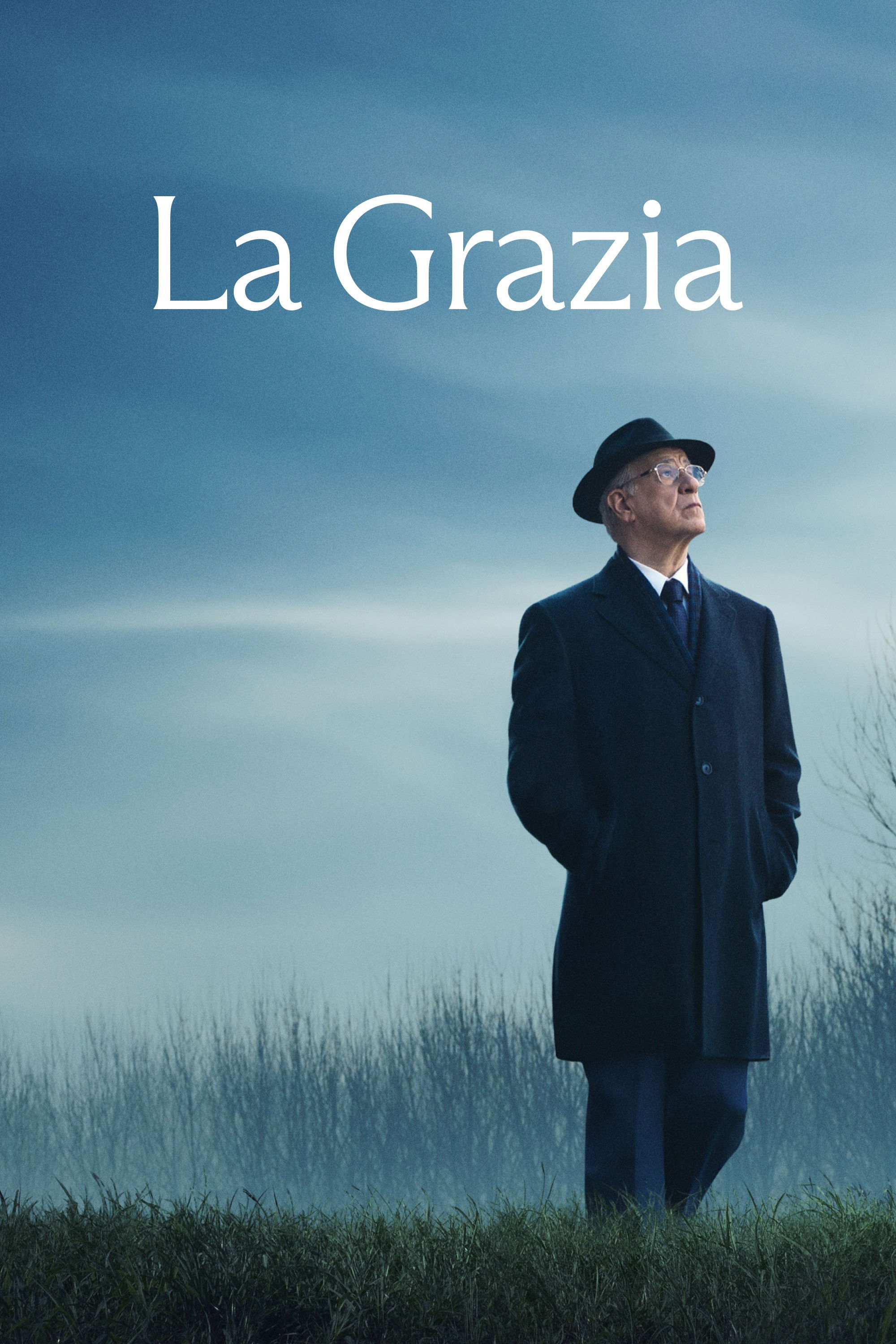
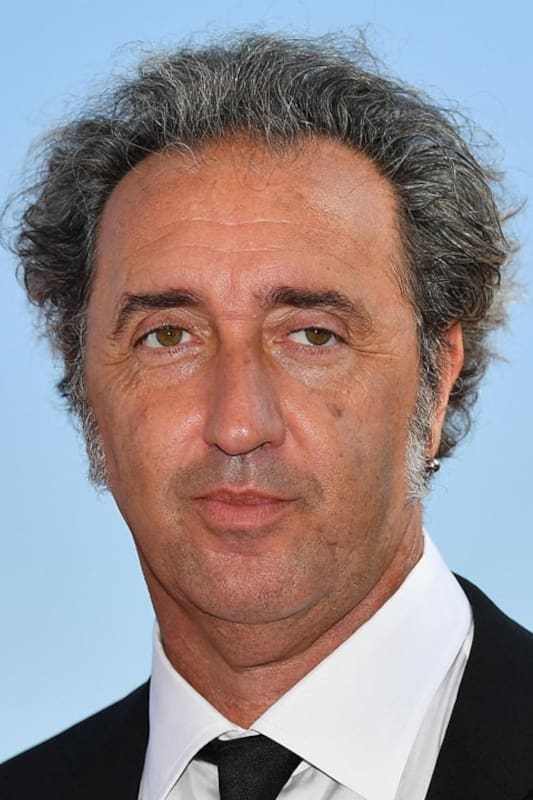
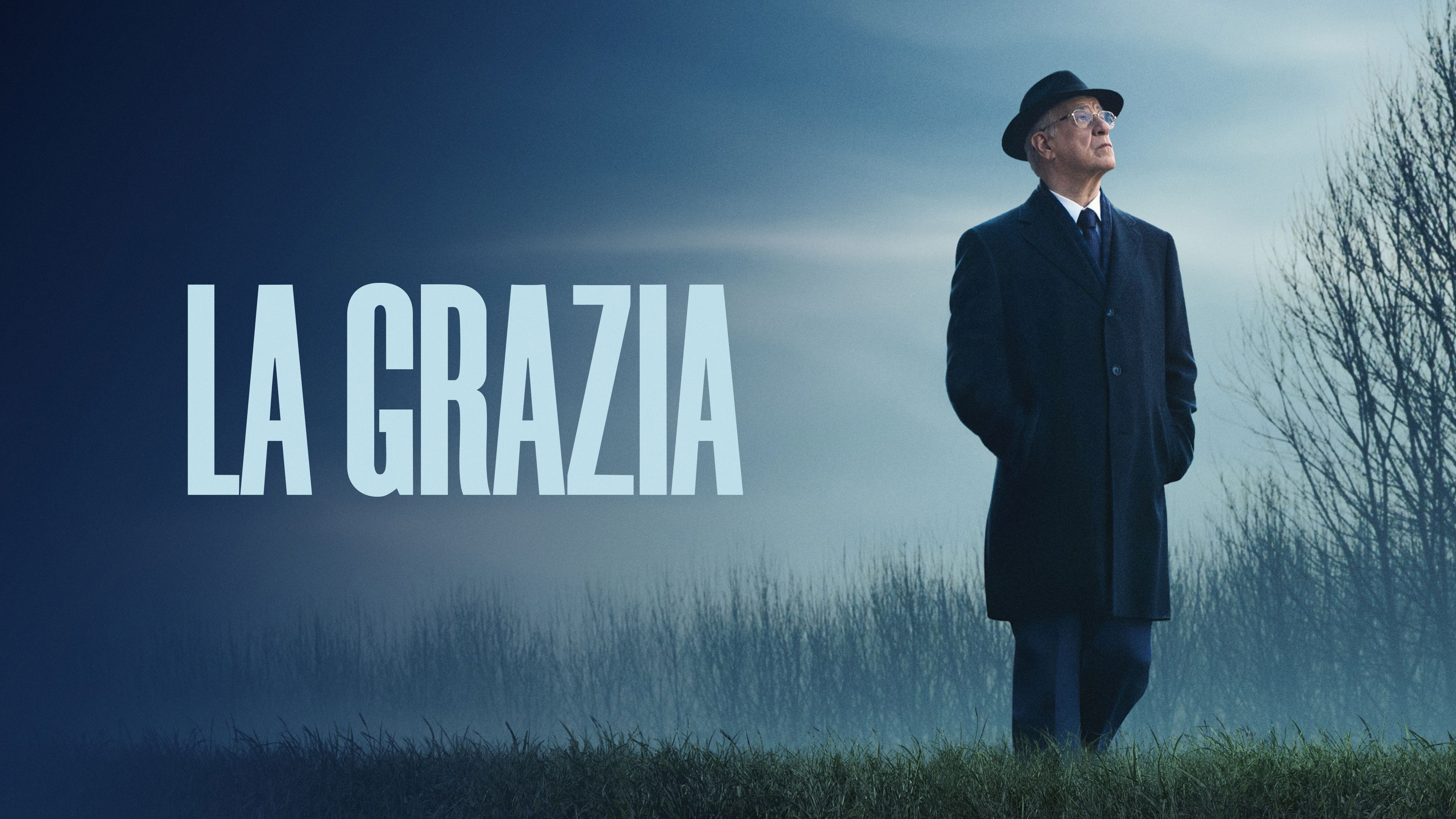
Rilke once said about poetry and maturity that poetry is born not merely from early feelings but from deep, seasoned memories that have been absorbed into one's being, transforming into the essence of the poet's expression. Paolo Sorrentino's La Grazia is the kind of maturity Rilke was talking about, a film that could only be made by someone who has lived long enough to understand that our hardest decisions are never about the issue at hand; they're about everything we've carried, everything we refuse to release, everything that has calcified into who we are.
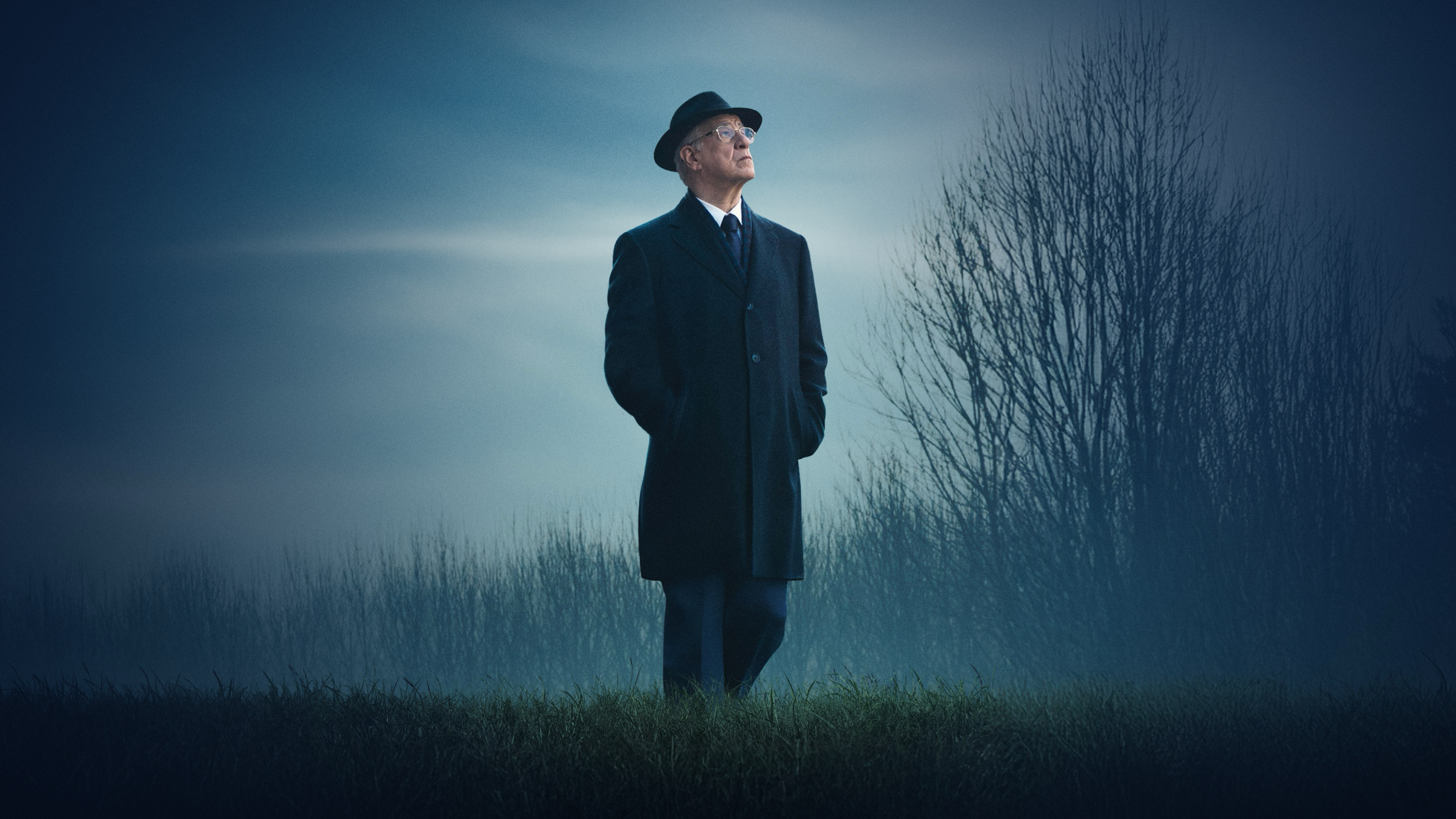
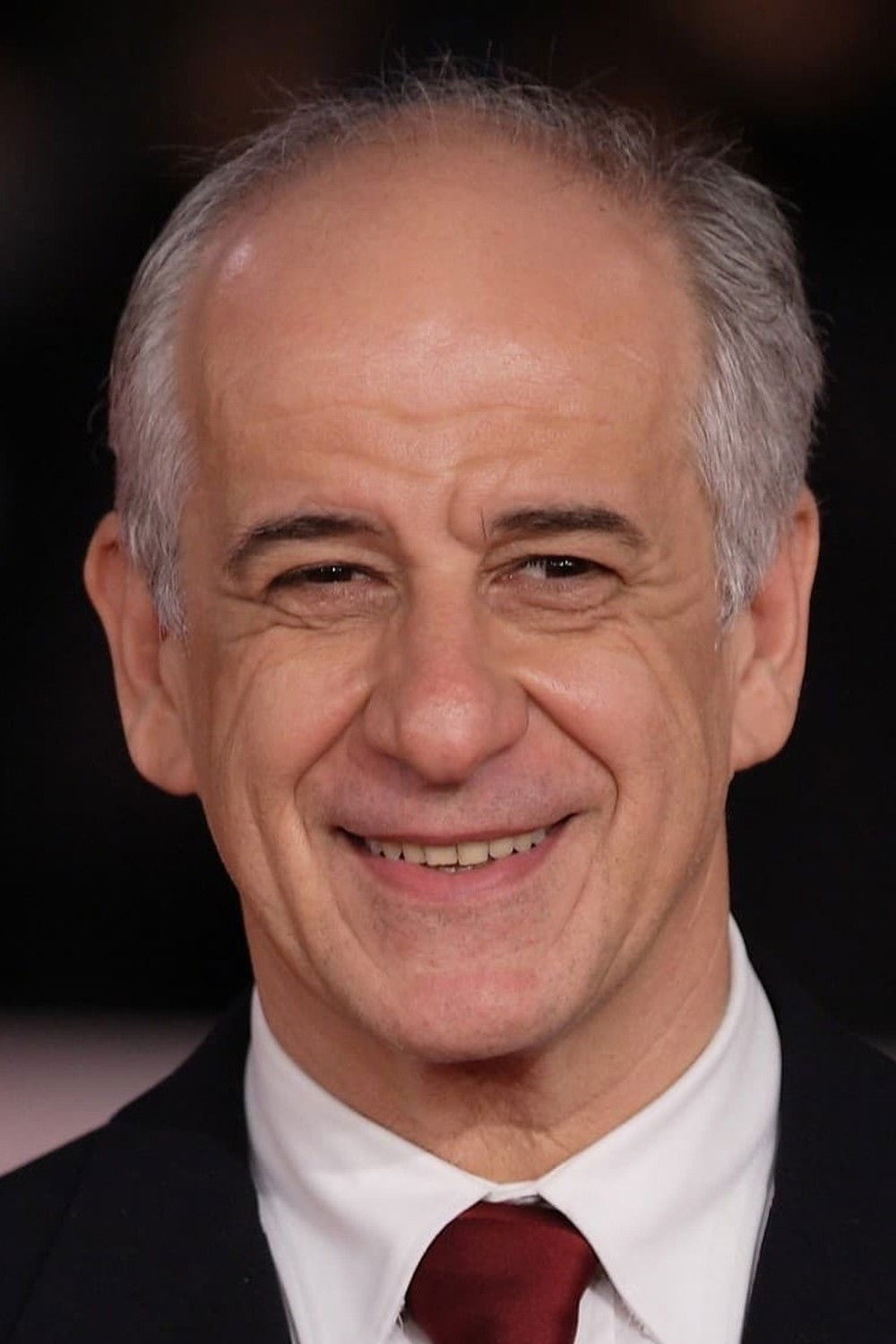
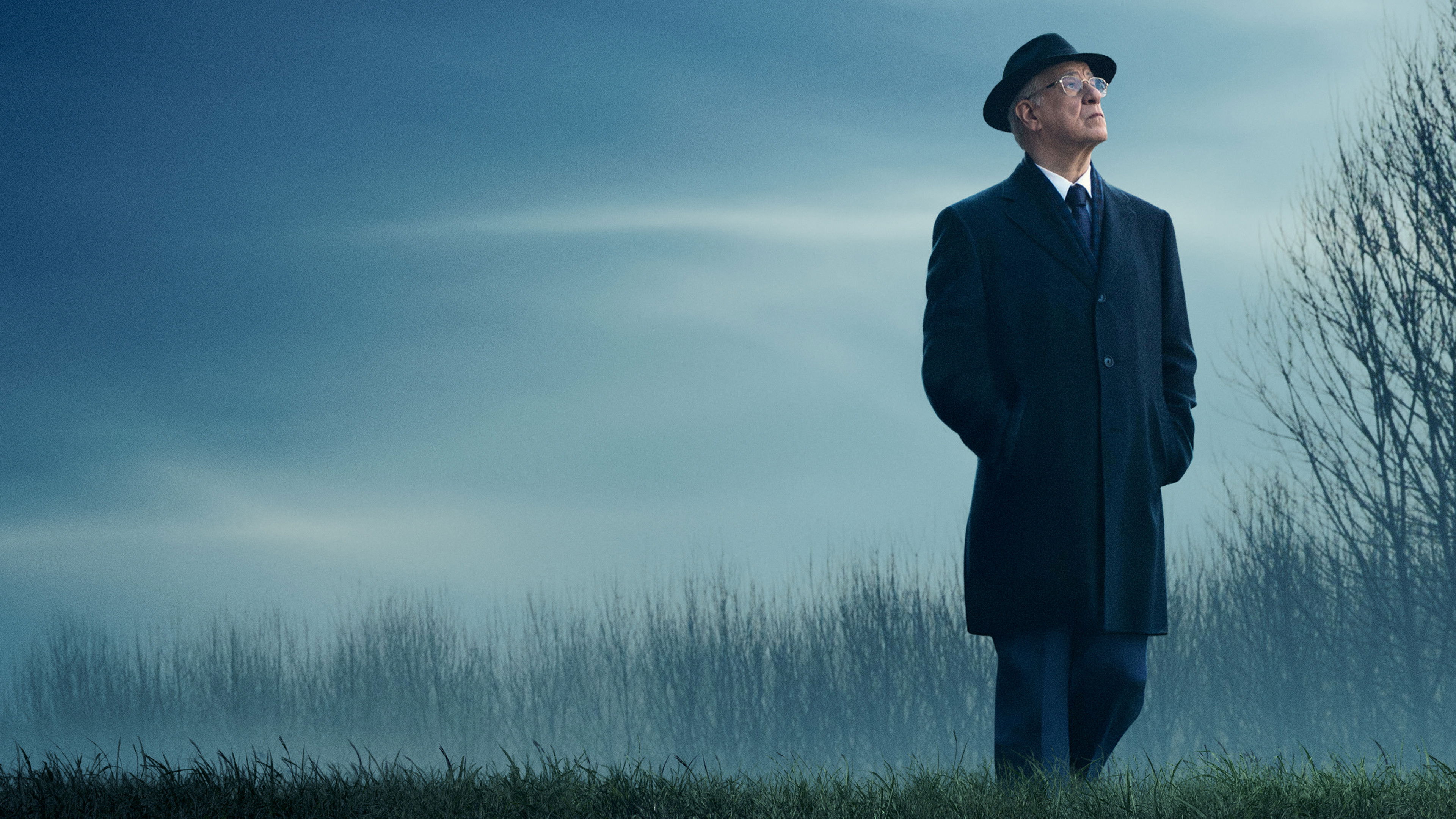
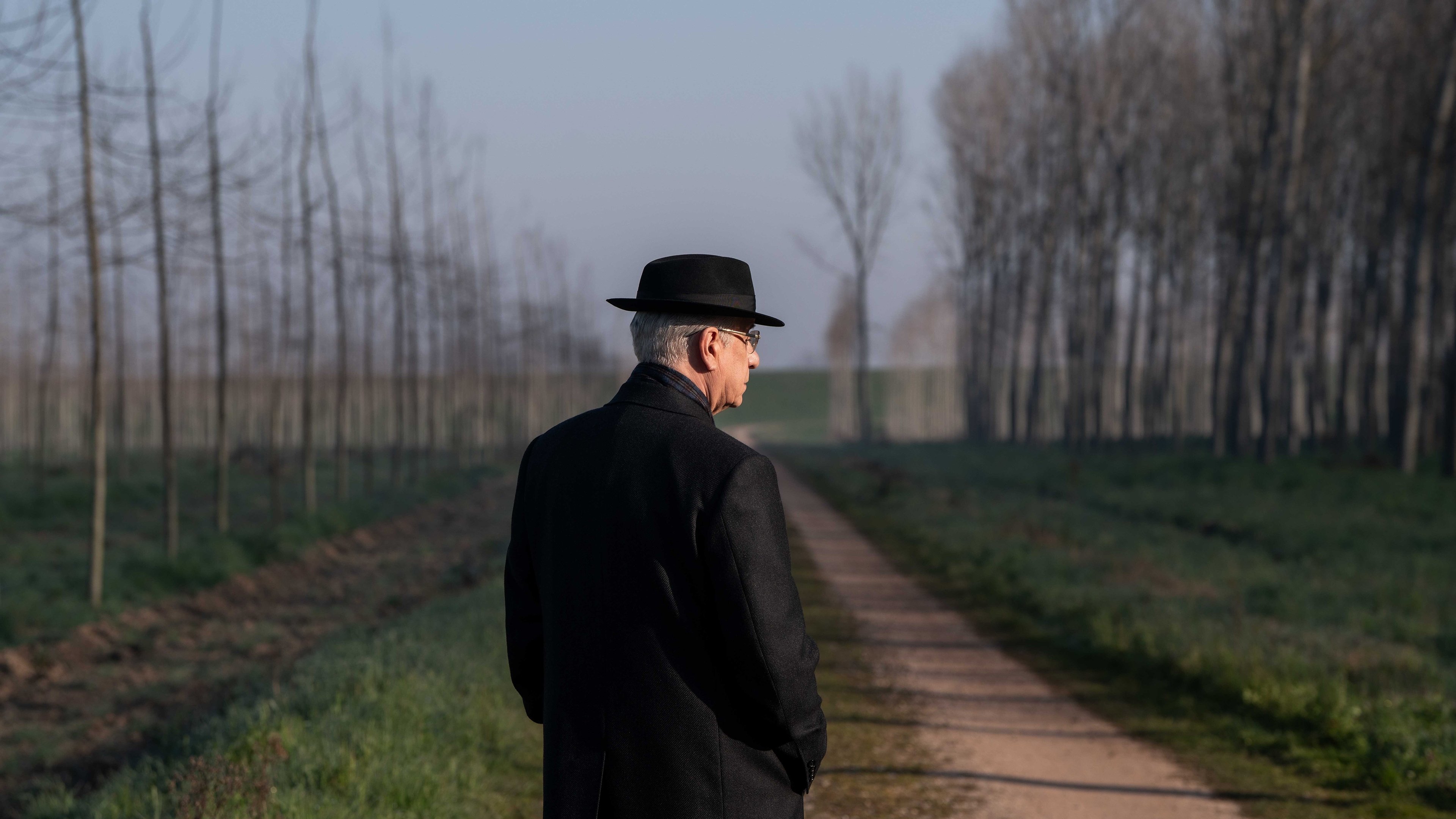
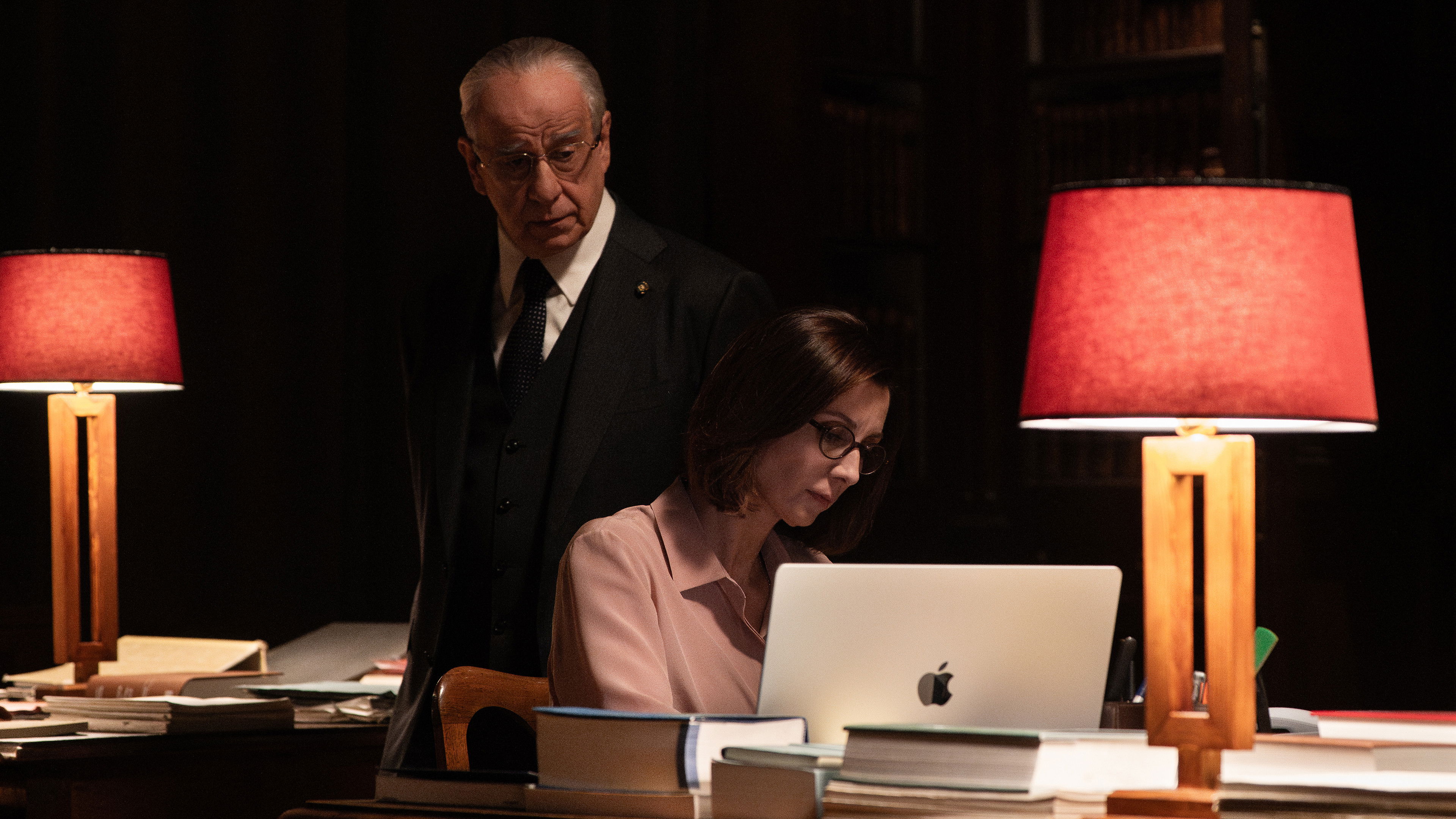
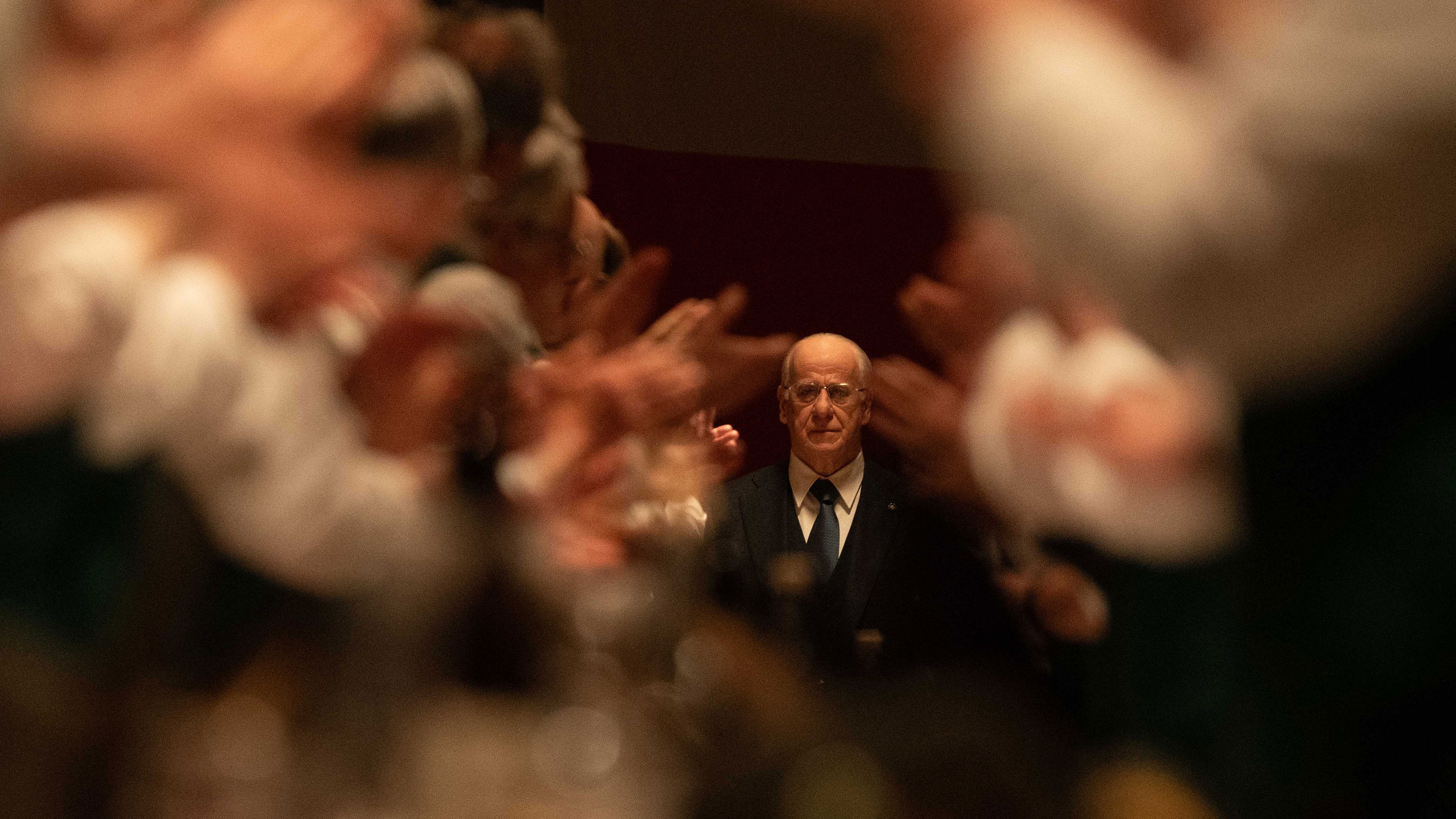
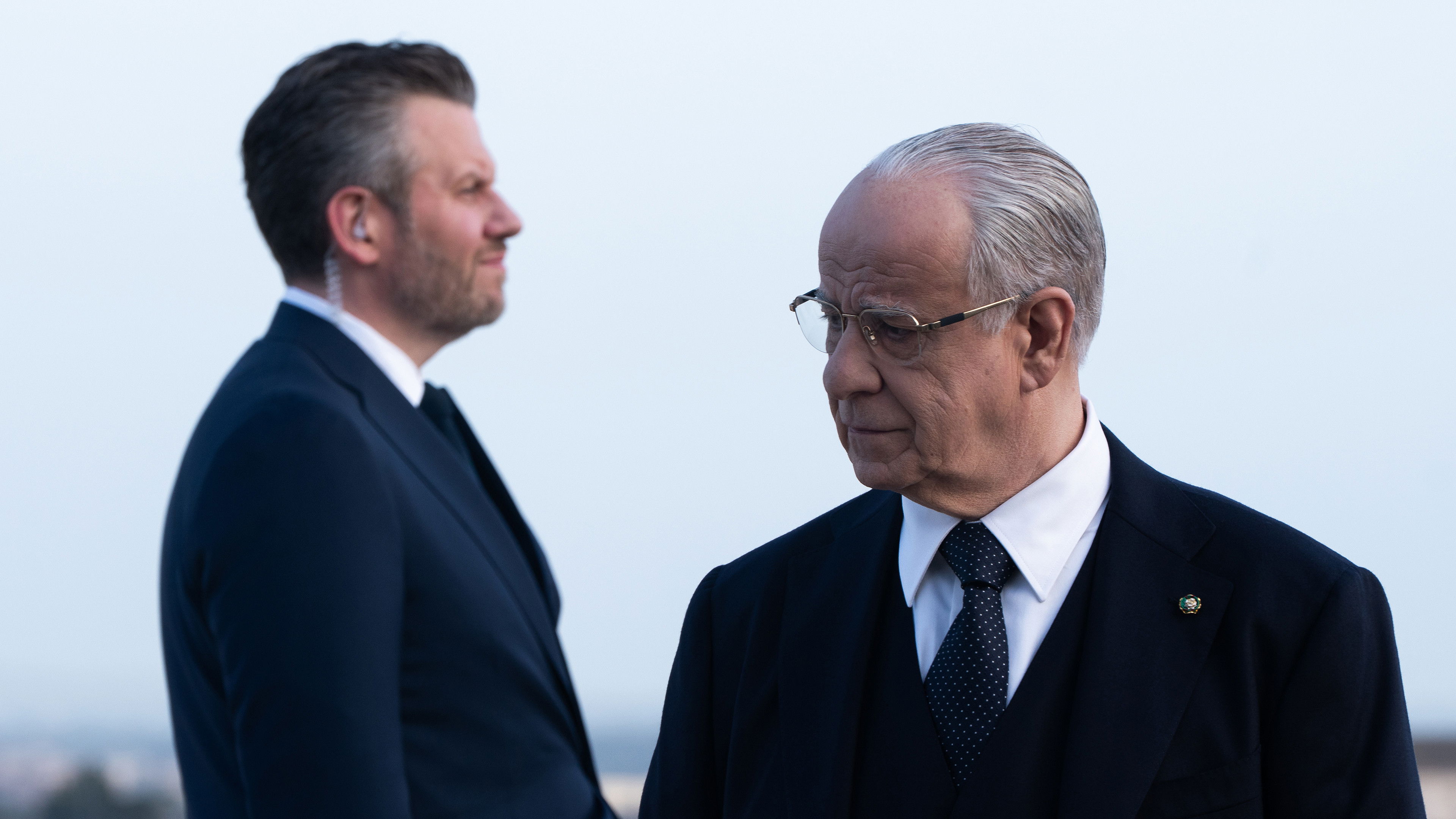
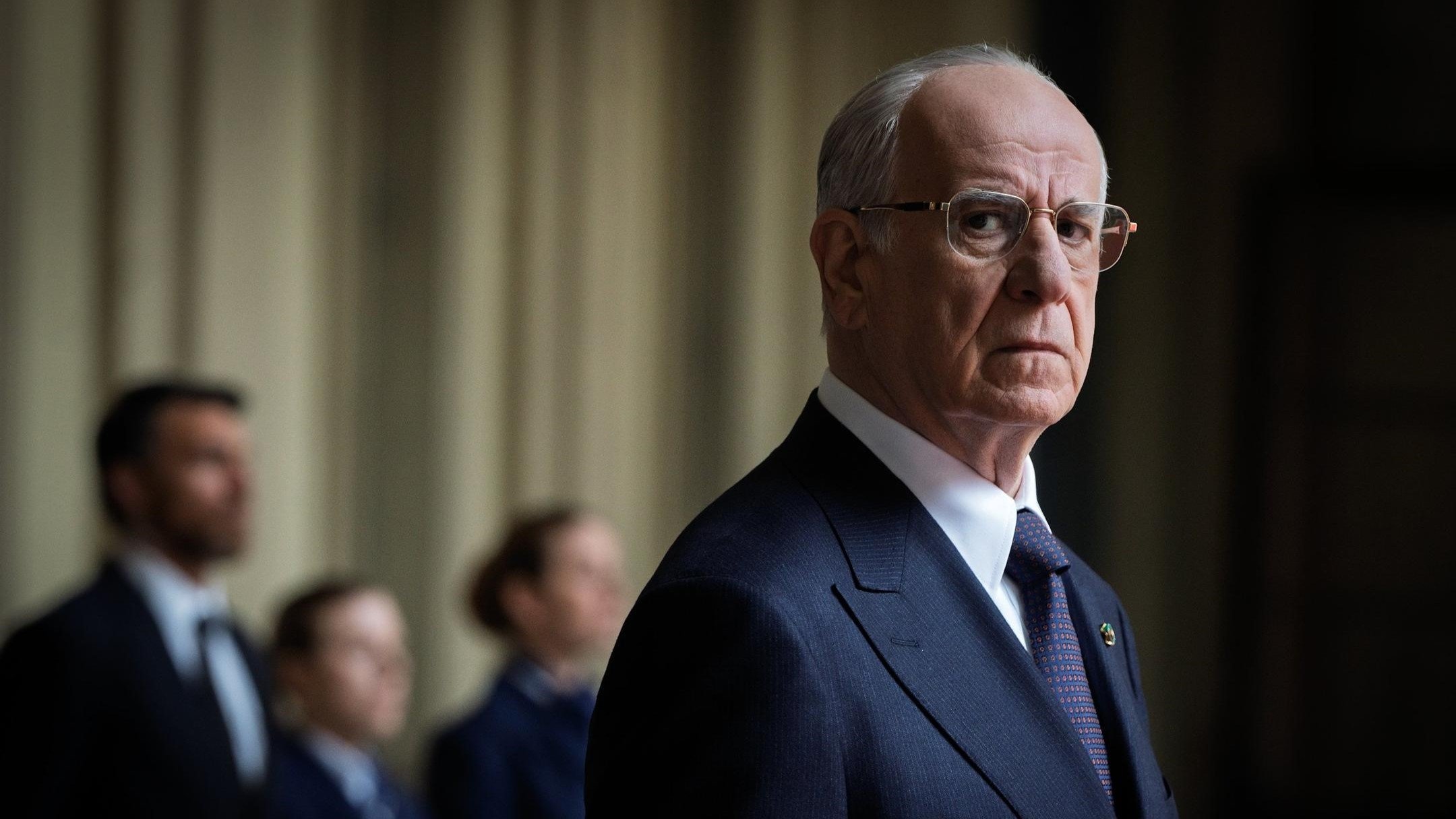
Toni Servillo is nothing short of brilliant in his expression of a man near his final days as President, carrying the entire weight of the country's dilemma on his own shoulders. Six months short of retirement, he is asked to consider a bill that is revolutionary for a country that sits at the center of Roman Catholicism: the legalization of euthanasia. We learn quickly that he is not a man who lets go of his beliefs easily. He cannot let go of his suffering horse that he loves. He cannot let go of an infidelity from his now-deceased wife, still nursing the wound after forty years. He is also asked to sign two pardons. All these things are related, all variations on the same impossible question: when do we release what causes us pain, and what does that release cost us?
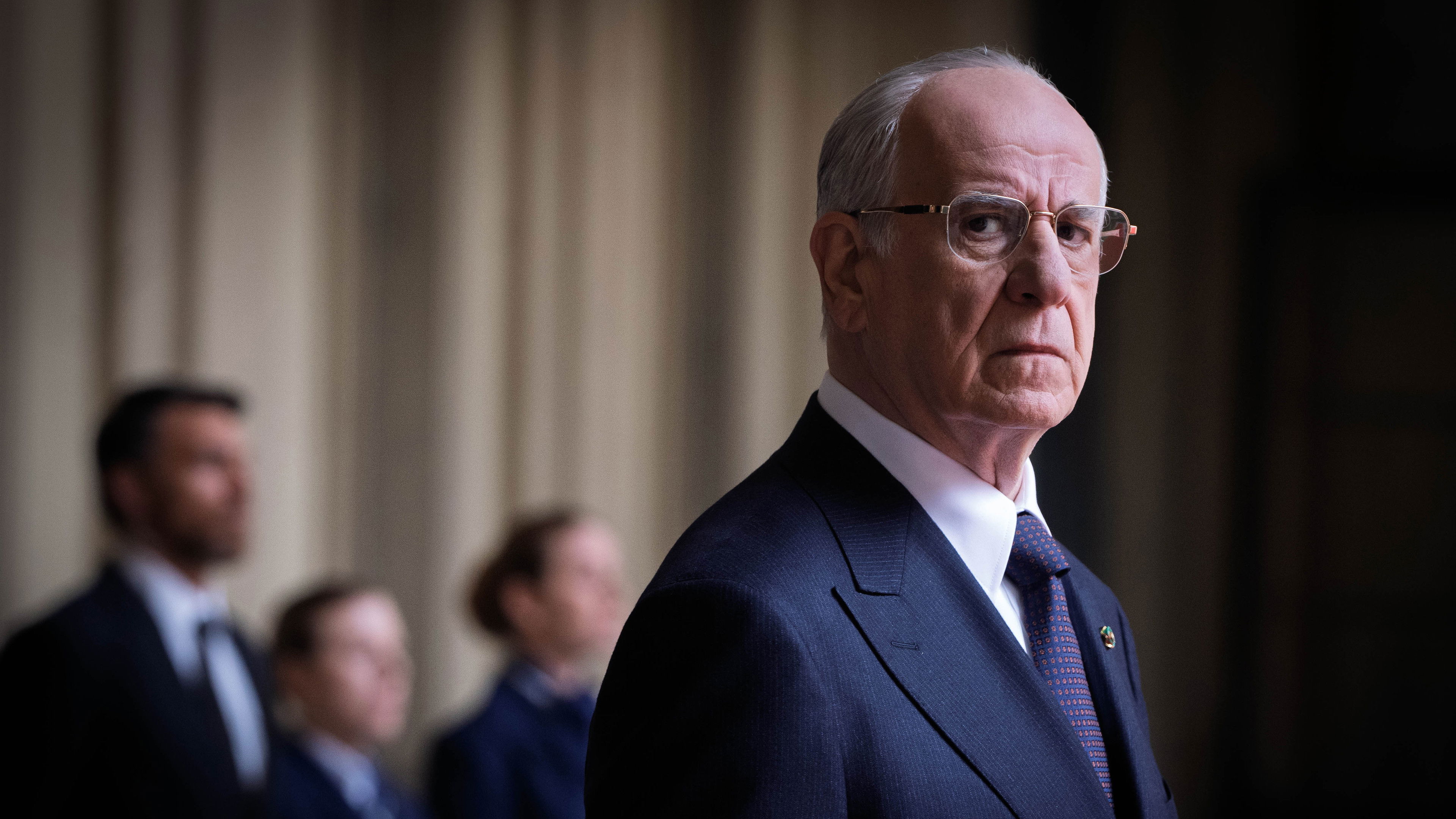
Servillo plays this aging leader with such restraint that every gesture becomes meaningful, every silence weighted with decades of compromise and conviction. You watch him wrestle with the euthanasia bill not as an abstract political question but as a personal reckoning with mercy, suffering, and the arrogance of deciding for others what constitutes a bearable life. He knows what it means to hold on too long; his horse proves that. He knows what it means to let resentment poison memory; his wife's betrayal proves that. And now the state asks him to decide whether others should have the right to choose their own endings.
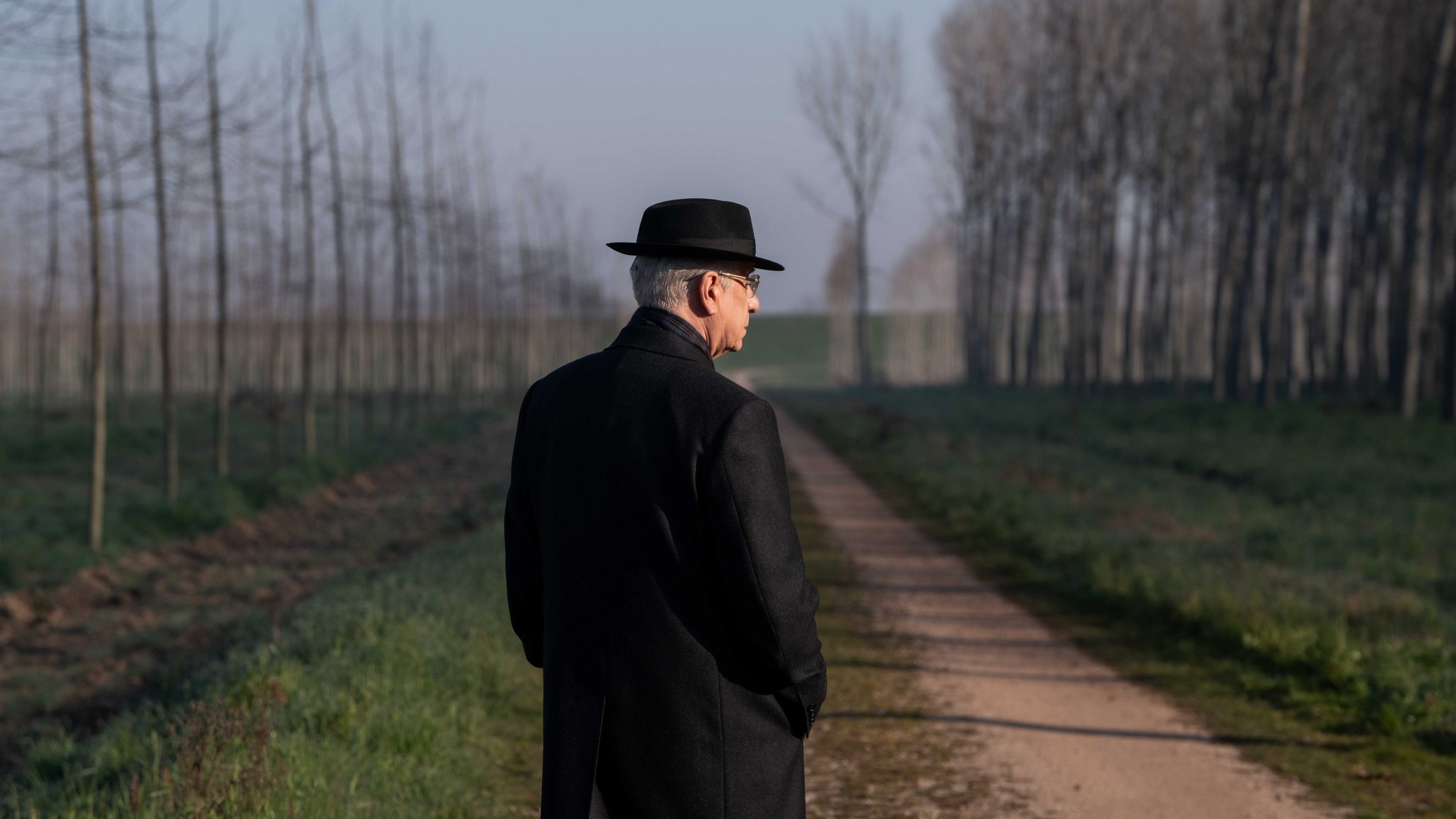
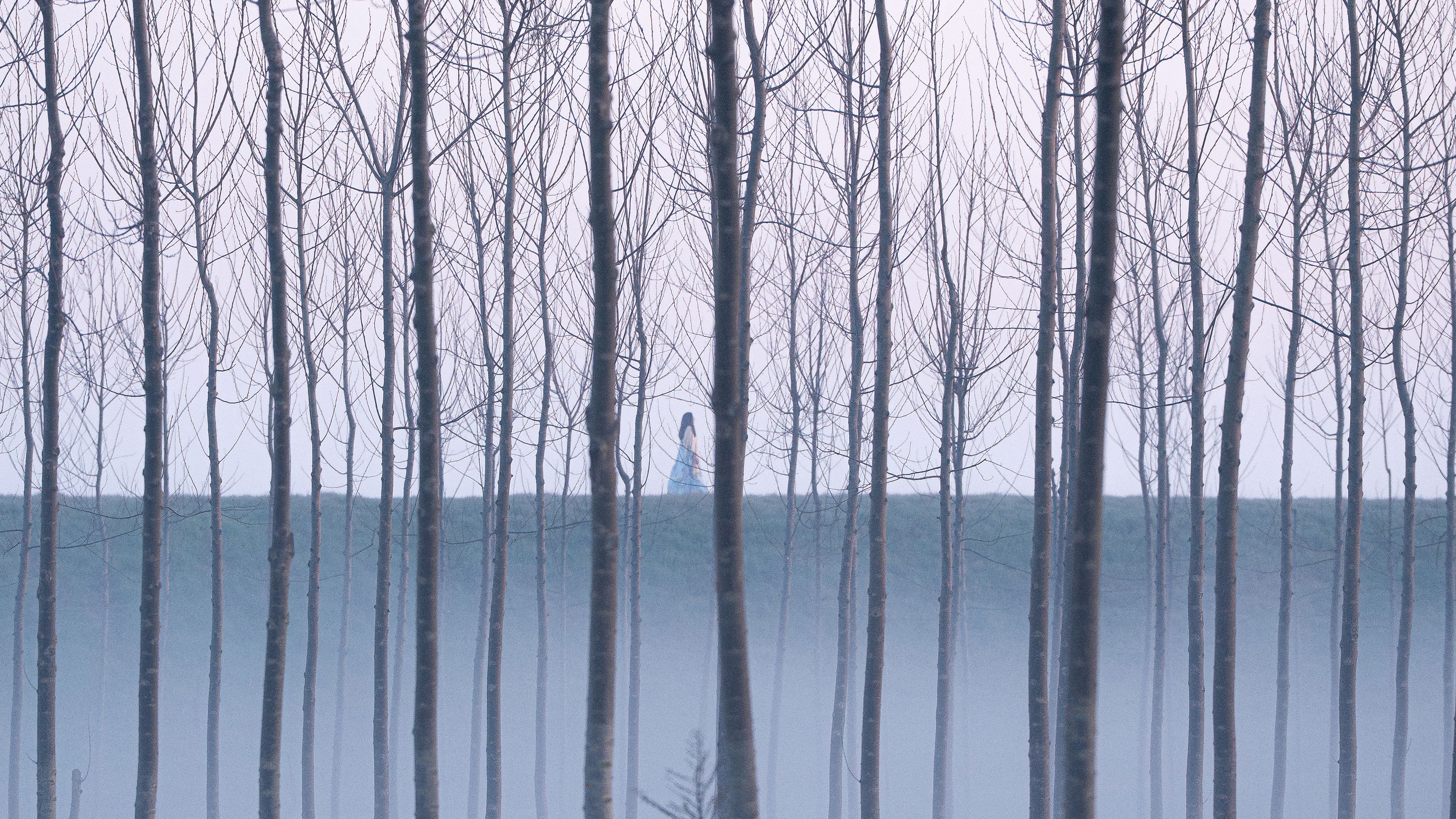
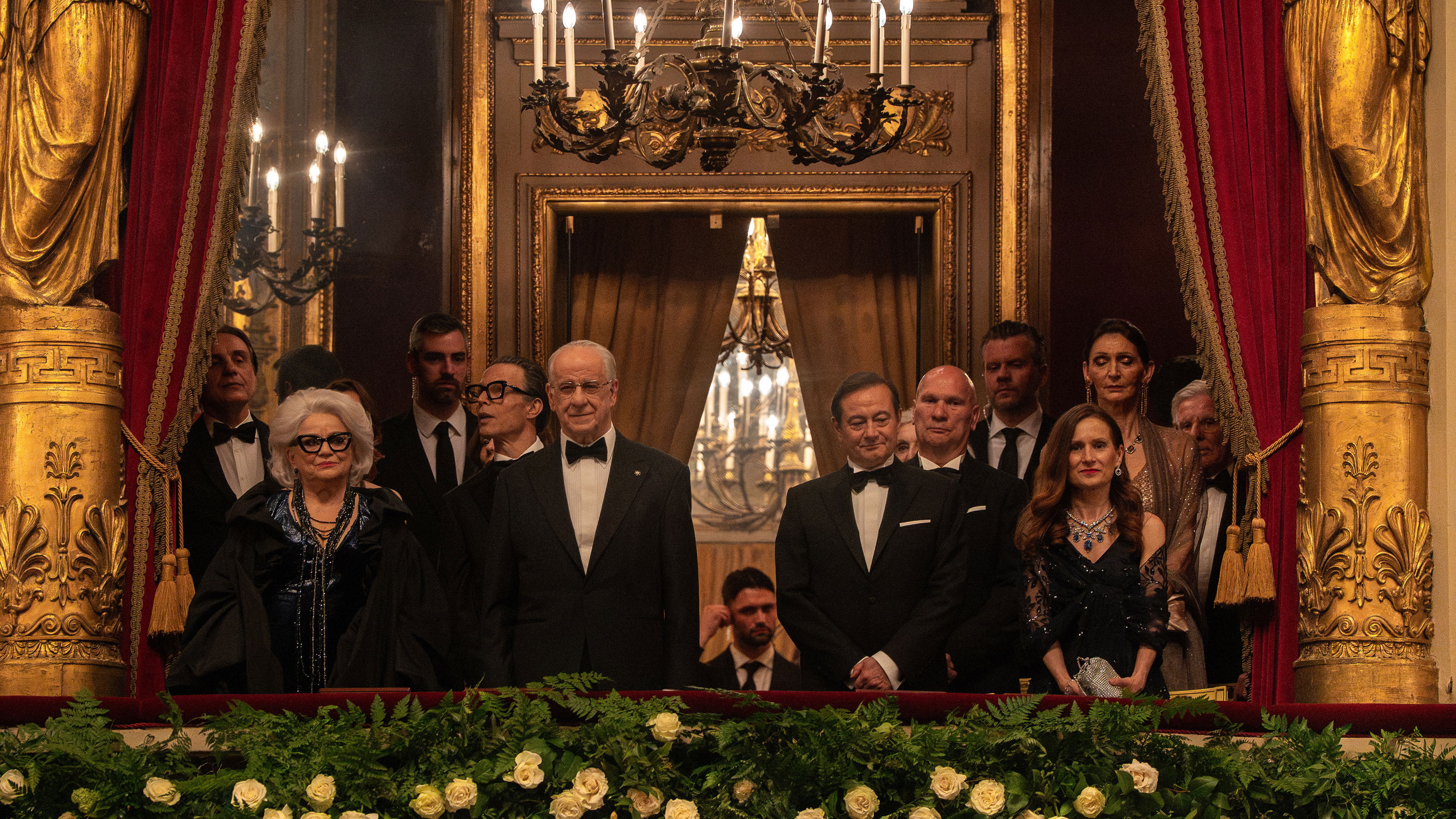
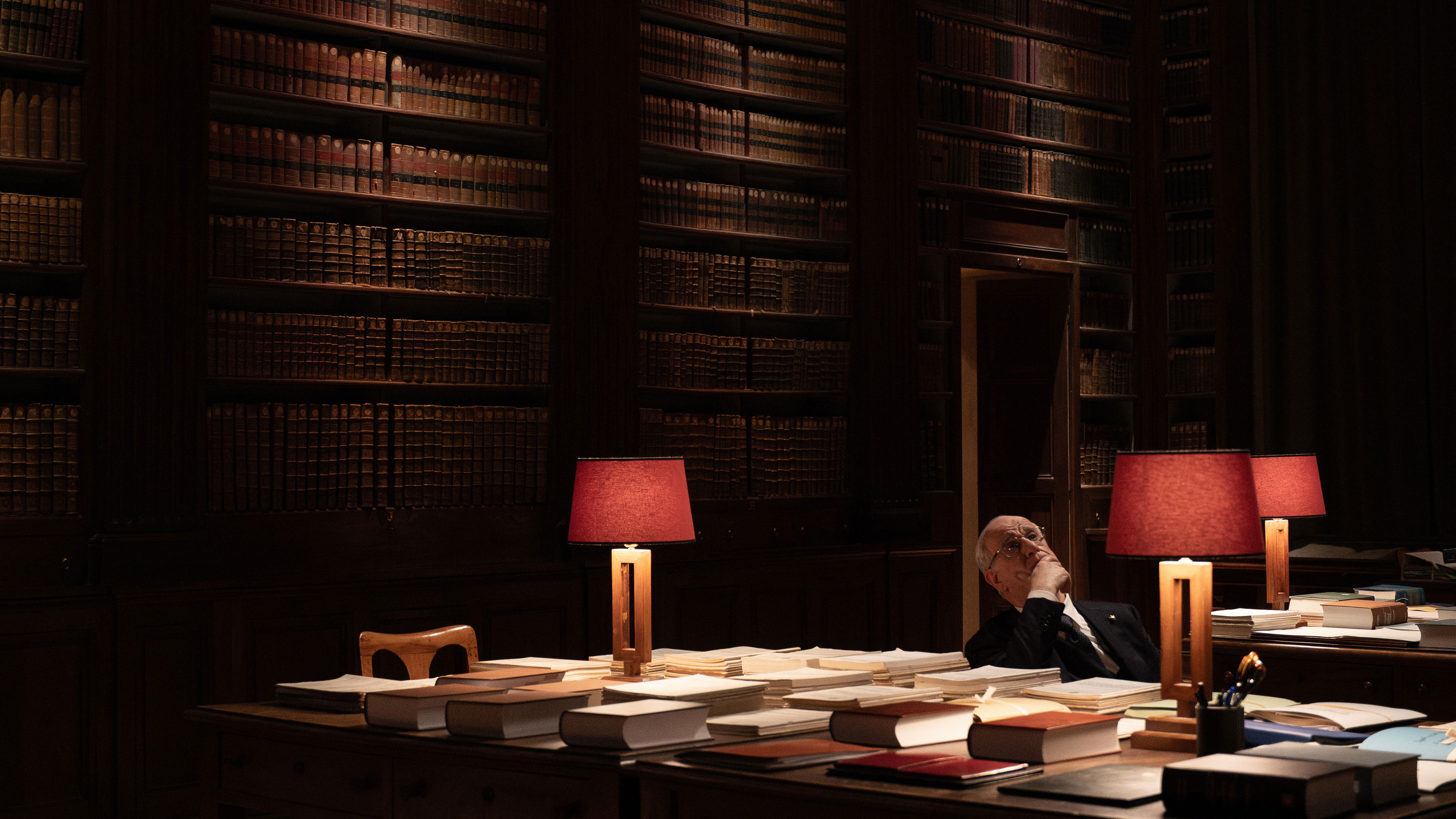
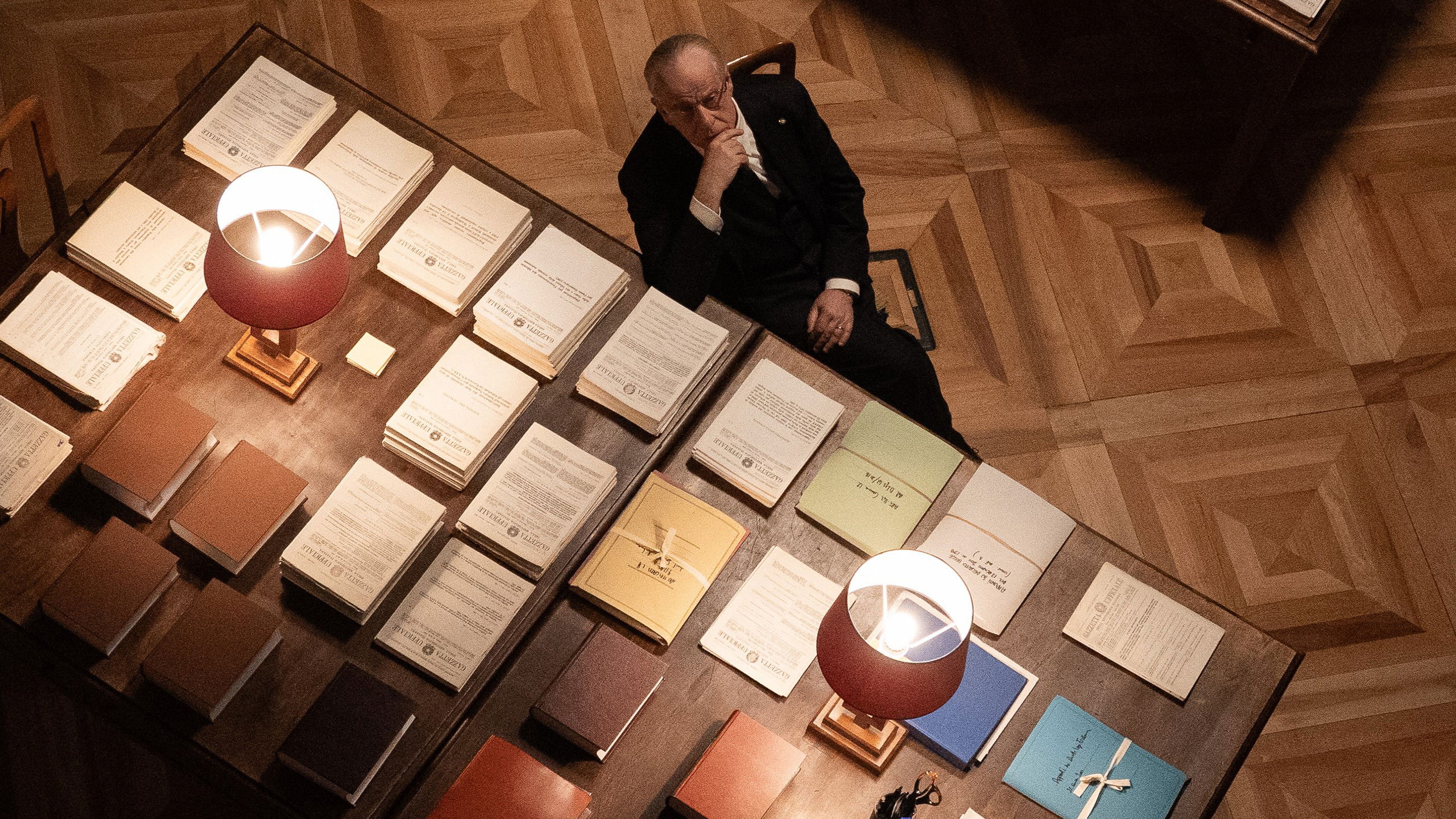
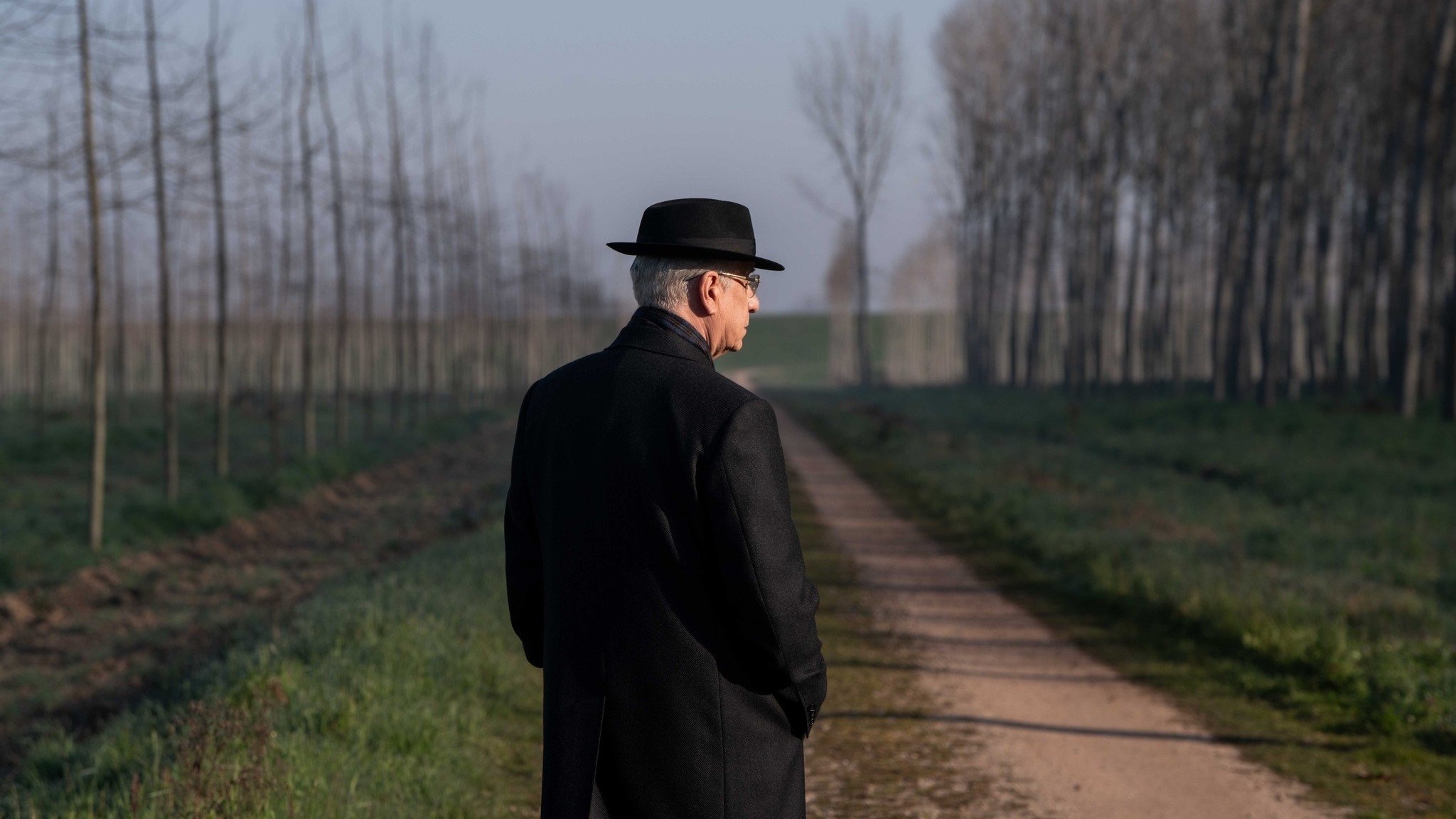
Daria D'Antonio and Sorrentino create a rich autumn palette that serves the screenplay beautifully. The cinematography is suffused with golden light and lengthening shadows, the visual language of a man in his final season contemplating last things. Every frame feels considered, elegiac, aware that time is running out and choices unmade will soon become irreversible.
This is Sorrentino at his most subdued and powerful, less interested in his usual baroque excess than in the quiet devastation of a man confronting the limits of his certainty. La Grazia asks whether grace is something we extend to others or something we finally grant ourselves when we stop clinging to old wounds, old loves, old convictions that no longer serve us.
La Grazia means grace; but it also means pardon, mercy, elegance, and blessing. This is Sorrentino's masterpiece.Rilke once said about poetry and maturity that poetry is born not merely from early feelings but from deep, seasoned memories that have been absorbed into one's being, transforming into the essence of the poet's expression. Paolo Sorrentino's La Grazia is the kind of maturity Rilke was talking about, a film that could only be made by someone who has lived long enough to understand that our hardest decisions are never about the issue at hand; they're about everything we've carried, everything we refuse to release, everything that has calcified into who we are.
Toni Servillo is nothing short of brilliant in his expression of a man near his final days as President, carrying the entire weight of the country's dilemma on his own shoulders. Six months short of retirement, he is asked to