**The danger of cynicism**
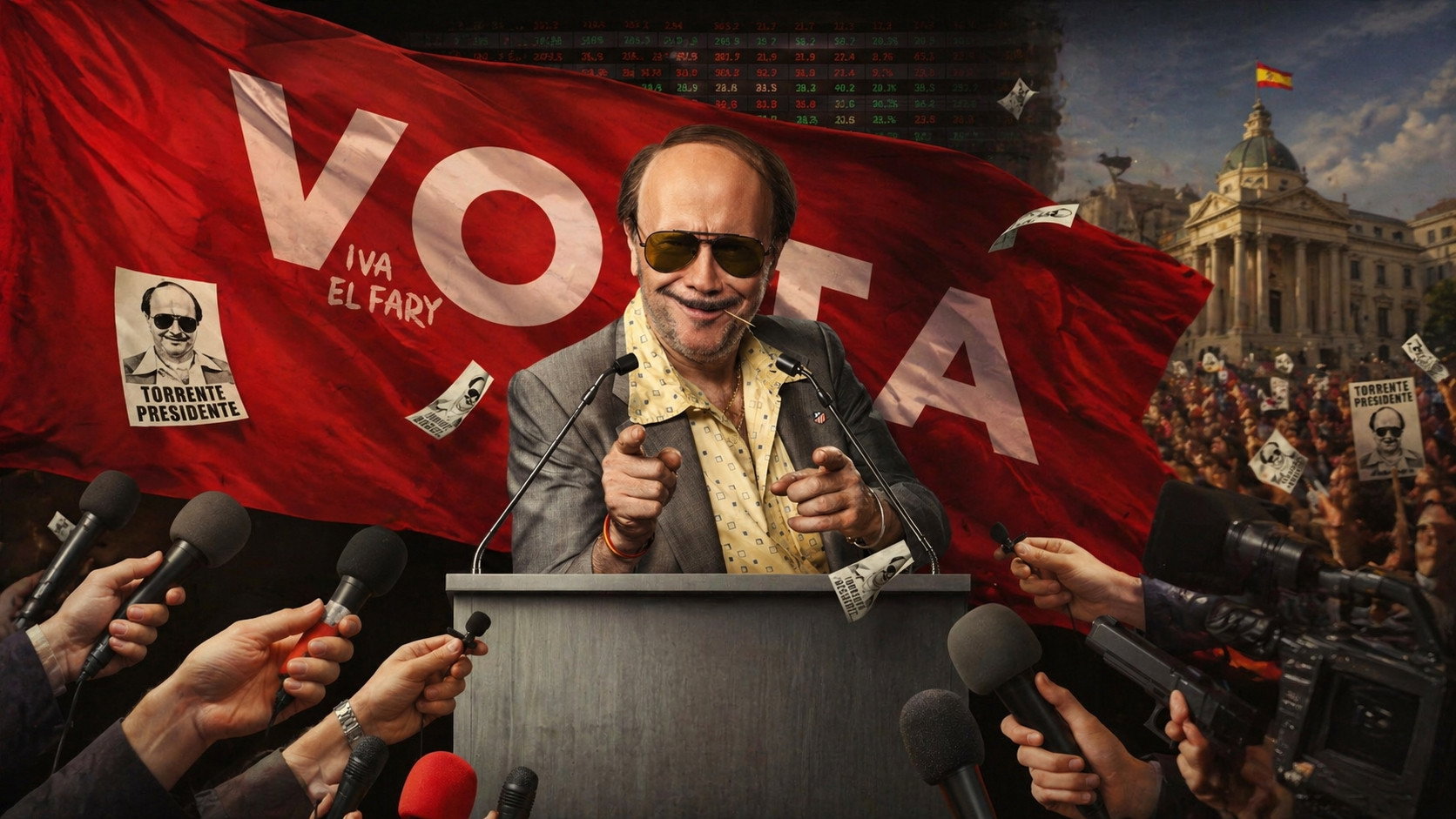
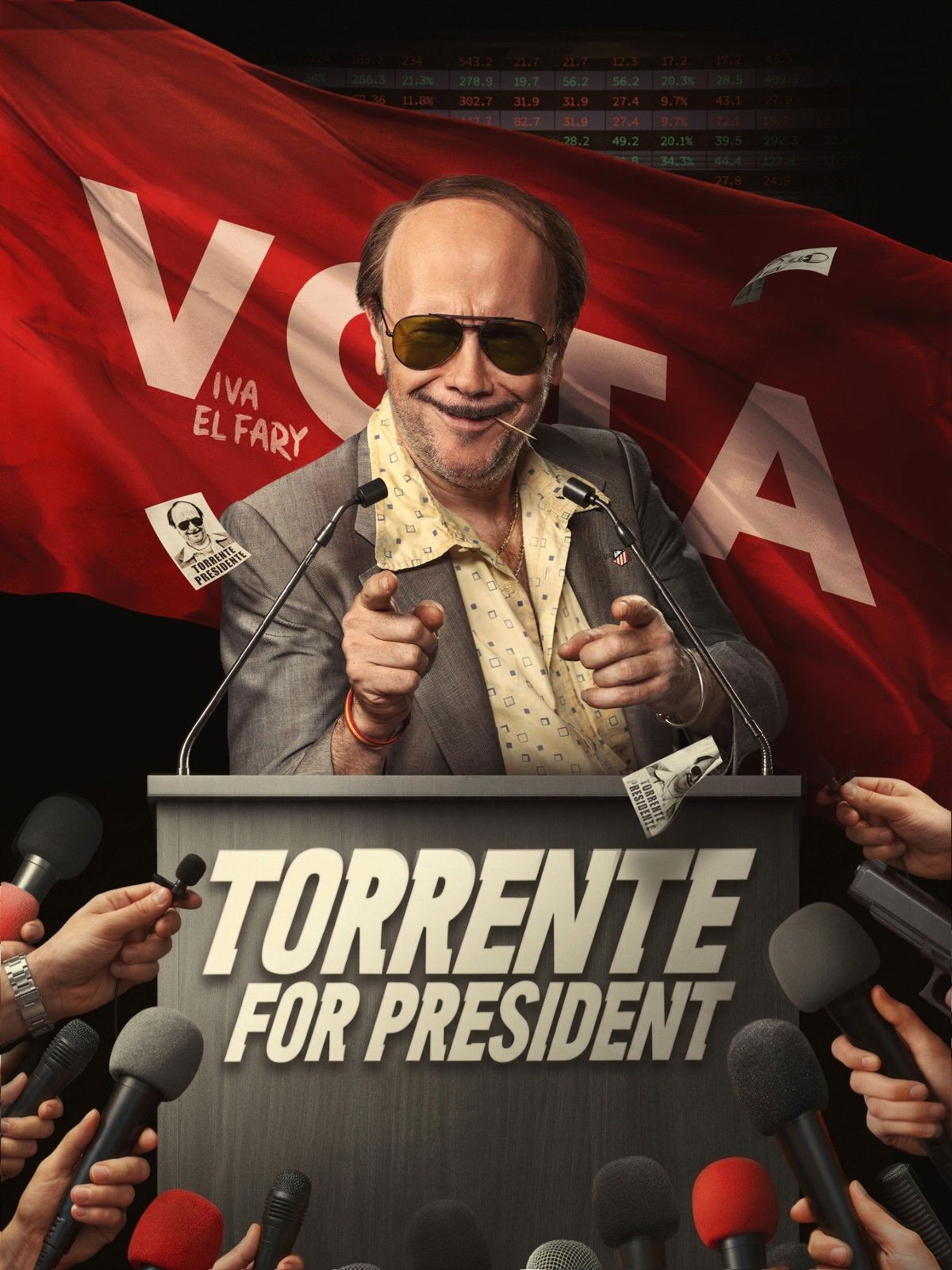
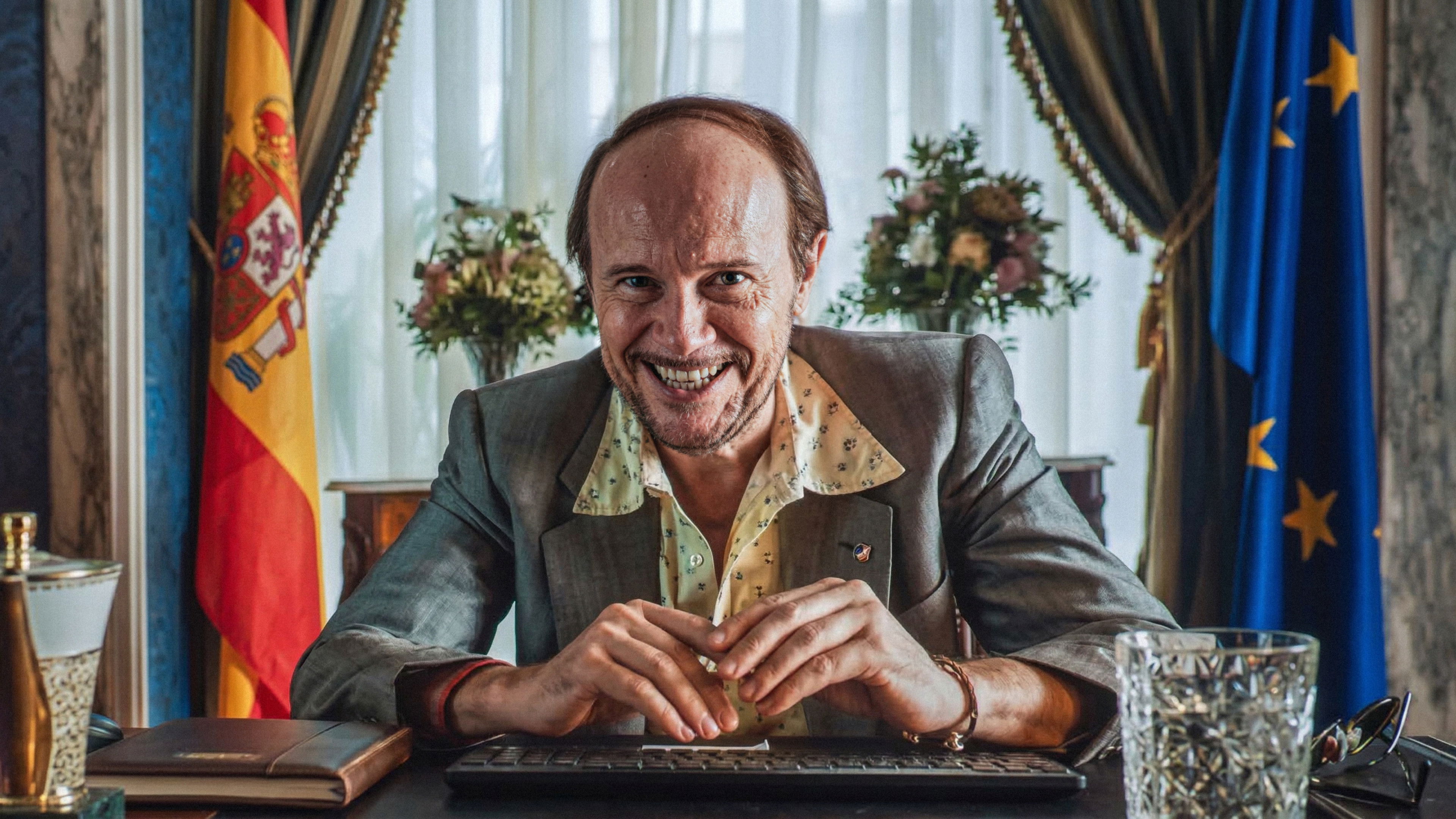
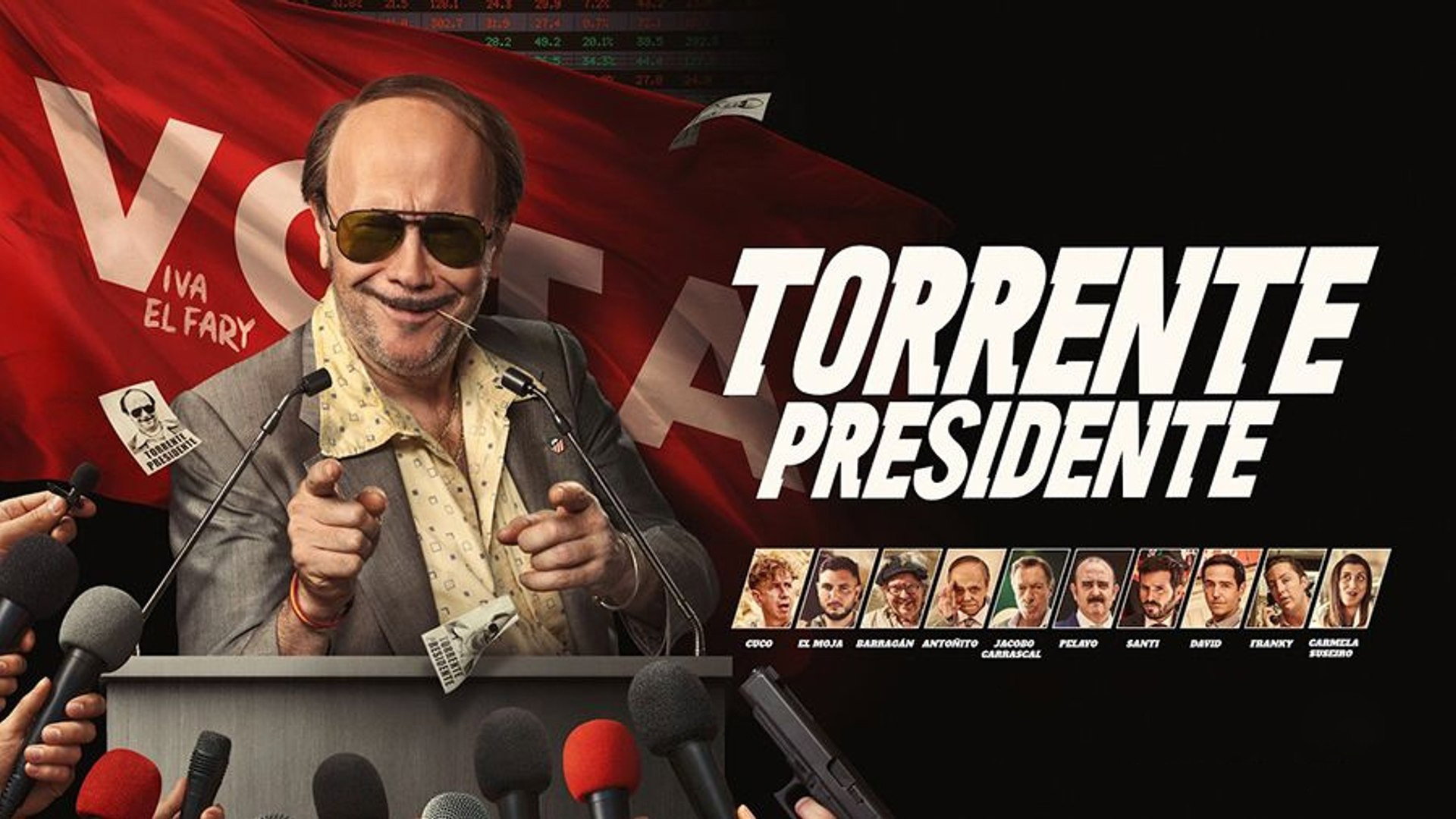
The existence of “Torrente for President” manifests itself as a symptom of creative exhaustion, confusing transgression with anachronism. In a political landscape like Spain's, where polarization is already a caricature in itself, Santiago Segura's character has lost its capacity as a paradigm of the critique, becoming instead a redundant and whitewashing echo.
While the strength of the first Torrente lay in its ability to unsettle a society aspiring to European modernity, revealing the sediment of a Spain that refused to disappear, today, that antiquated Spain doesn't hide in dark alleys or seedy bars, but has become professionalized on social media, in the mainstream media, and, of course, within the very institutions of the State.
Attempting to parody this lack of inhibition with crude jokes is exhausting and highly dangerous. Let's not forget that in Spain there are TV presenters who are also comedians, and who shamelessly claim that"you can't say anything anymore because of President Sánchez's dictatorship." And then, these same charlatans use their media power to censor, denounce, and silence other comedians or actors who dare to joke about the ultra-conservative underbelly of their professional environment.
The plot of"Torrente for President" constantly stalls to make way for viral figures whose presence expires as quickly as a trending topic. The crude humor based on scatology, which previously served to underscore the protagonist's moral decay, now seems like a desperate attempt to pad out a script that lumps all politicians together.
In a climate of international tension like the present, fiction should aspire to wit or subversive absurdity, and “Torrente for President” is, quite simply, a work that is already outdated, a relic of a cinema that believes that remaining vulgar is synonymous with bravery. And the truth is, if we follow Spanish political reality, we will see that this vulgarity has become pure pornography at the service of a citizenry anesthetized by Artificial Intelligence and the corresponding disinformation.
The appearance of far-right media figures in mass-market products like this becomes a risky mechanism of ideological normalization, because when actors, politicians, or journalists known for spreading hate speech or disinformation appear in a light comedy, their image is “humanized,” and the context of the joke and satire acts as a varnish that softens the aggressive edge of their actual discourse.**The danger of cynicism**
The existence of “Torrente for President” manifests itself as a symptom of creative exhaustion, confusing transgression with anachronism. In a political landscape like Spain's, where polarization is already a caricature in itself, Santiago Segura's character has lost its capacity as a paradigm of the critique, becoming instead a redundant and whitewashing echo.
While the strength of the first Torrente lay in its ability to unsettle a society aspiring to European modernity, revealing the sediment of a Spain that refused to disappear, today, that antiquated Spain doesn't hide in dark alleys or seedy bars, but has become professionalized on social media, in the mainstream media, and, of course, within the very institutions of the State.
Attempting to parody